Last updated: May 2026
Deciding where to stay in Osaka is the single most important decision you will make for your trip. Unlike Tokyo, which is a sprawling collection of several distinct "centers" separated by long train rides, Osaka is remarkably compact — you can cross the entire core of the city by subway in about twenty minutes. But within that compact footprint, each neighborhood has a drastically different soul, a different rhythm, and a different experience waiting for you. Choose wrong, and you could find yourself stuck in a silent business district when you wanted neon-lit street food, or trapped in a high-traffic tourist zone when you were hoping for a quiet, local morning walk.
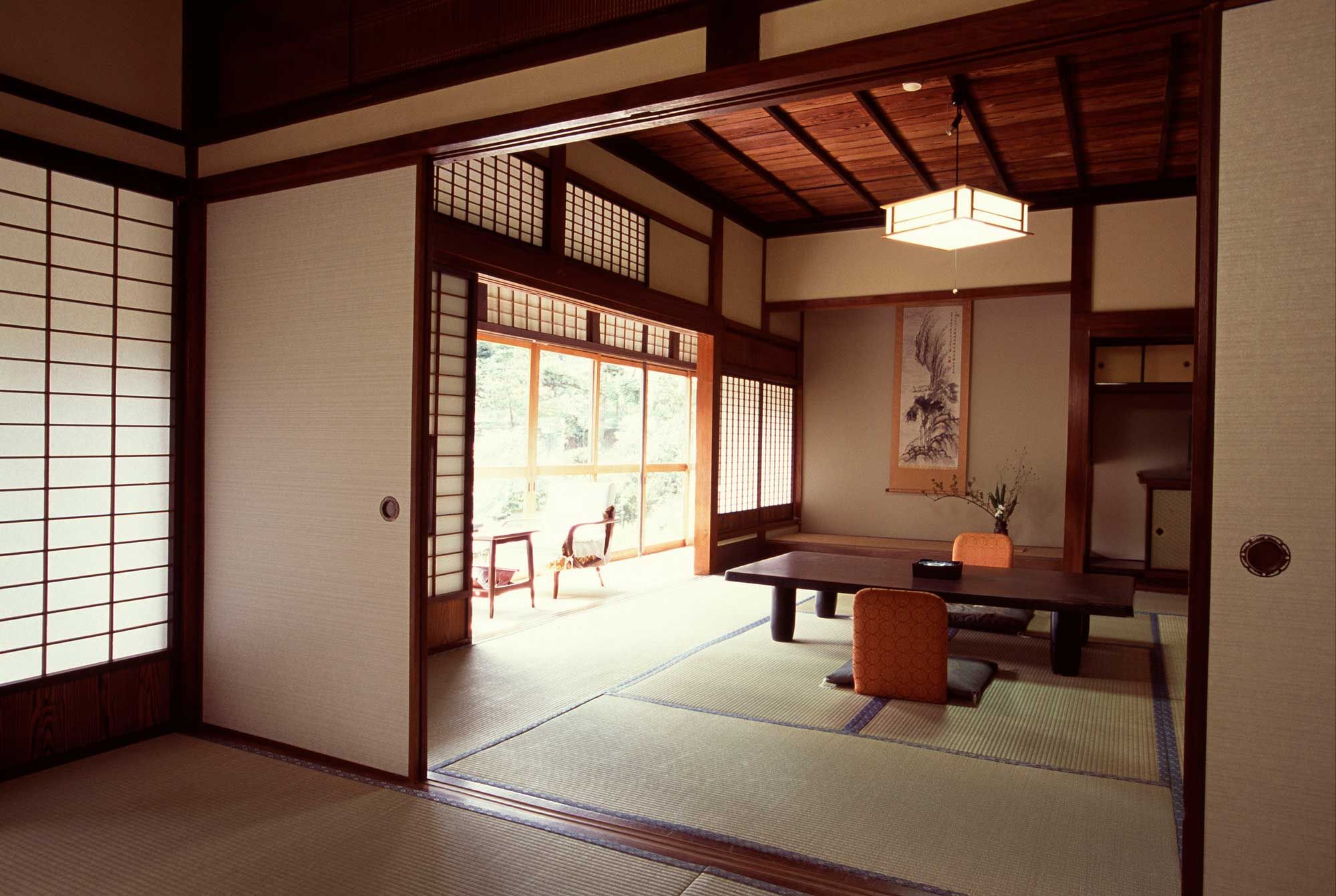
For Sarah, a 28-year-old American on her first trip to Japan, the choice of neighborhood shaped her entire Osaka experience. She spent her first three nights in Namba, where the city's legendary energy poured through her hotel windows every evening. She spent her fourth night at a ryokan near Tennoji, where the silence and tatami floors felt like a different country entirely. And she spent her final night in Umeda, where the gleaming towers and underground malls made her feel like she had stepped into a science fiction film. Each neighborhood gave her a fundamentally different version of Osaka, and together they formed a complete picture of one of the world's most dynamic cities.
In 2026, the city has evolved with new hotel concepts, improved transport links to the airport, the revitalization of historic districts like Shin-Imamiya, and the ongoing development of the Nakanoshima waterfront. The hotel market has also shifted: boutique properties are flourishing, traditional ryokans are experiencing a renaissance, and the line between "business hotel" and "design hotel" has blurred almost entirely. This guide ranks the 7 best areas to stay in Osaka, settles the perennial Namba vs Umeda debate for first-time visitors, and gives you specific hotel picks at every price point from ¥4,000 business hotels to ¥45,000 luxury towers.

Quick Guide: Which Area Is Best for You?
Don't have time to read the full analysis? Here is the "Sarah Summary" of Osaka's best neighborhoods for travelers:
- First-Timers and Foodies: Stay in Namba (難波) or Shinsaibashi (心斎橋). You are within walking distance of Dotonbori and the best street food in the world.
- Convenience and Luxury: Stay in Umeda (梅田). Best for Shinkansen access, department stores, and high-end dining.
- Deep Local Vibe: Stay in Tennoji (天王寺) or Shinsekai (新世界). Retro, gritty, and authentically Osaka.
- Budget Travelers: Stay in Shin-Imamiya (新今宮). The cheapest beds in the city, with a rapidly improving reputation.
- Quiet and Stylish: Stay in Honmachi (本町) or Yodoyabashi (淀屋橋). Sophisticated business districts located between the two main centers.
- Art and Culture: Stay in Nakanoshima (中之島). Riverside elegance, world-class museums, and Michelin-starred restaurants.
- Foodie Paradise: Stay in Fukushima (福島). One stop from Osaka Station, lined with the city's most ambitious young chefs.
Namba vs Umeda: Which Is Better for First-Time Visitors?
This is the single most common question we get from travelers planning their first Osaka trip. The short answer: stay in Namba if Osaka is your only destination, stay in Umeda if you also plan to visit Kyoto, Kobe, or Tokyo. The longer answer depends on which version of Osaka you want to experience.
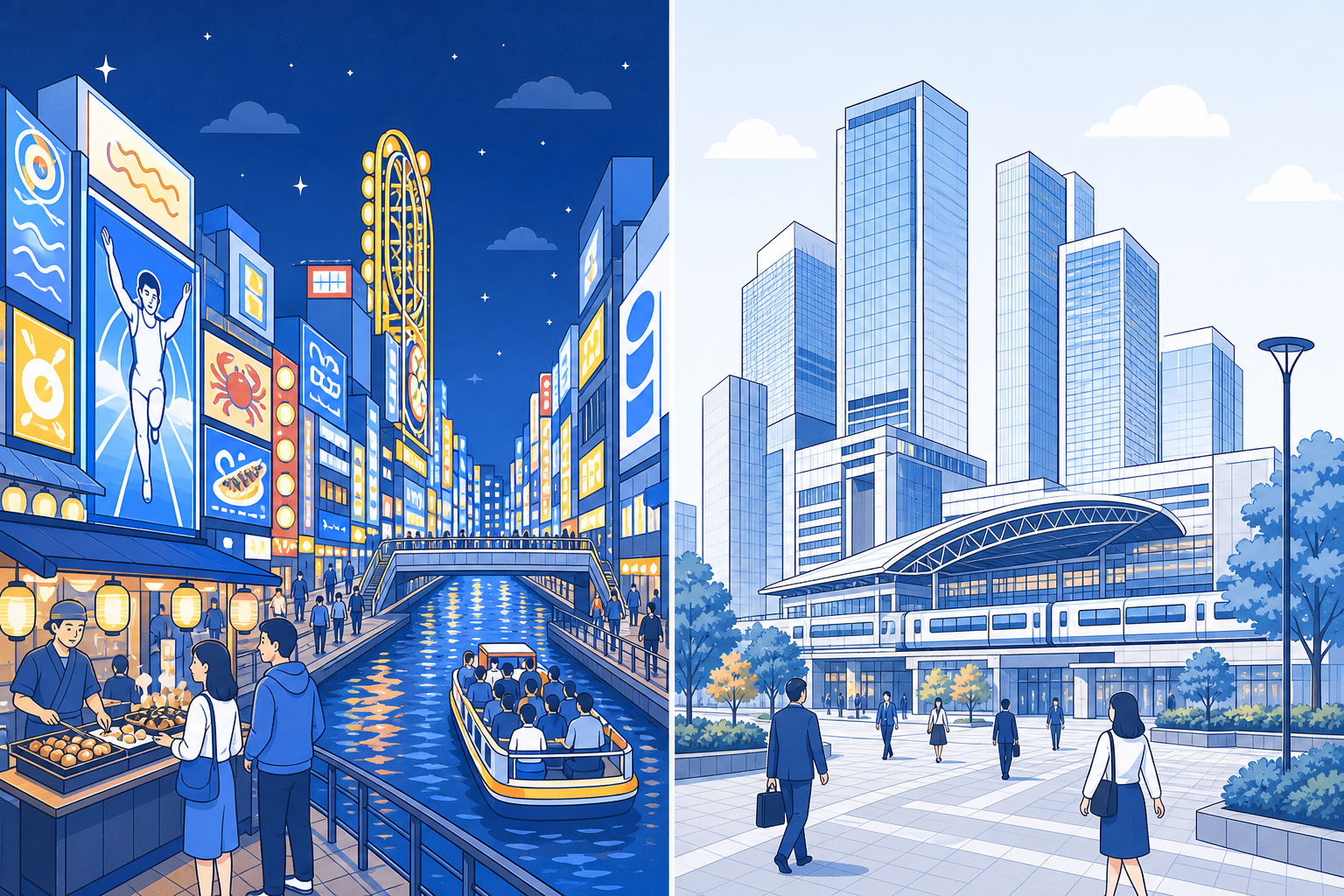
- Vibe — Namba (Minami): Neon, street food, late-night chaos. Umeda (Kita): Skyscrapers, department stores, polished.
- Best for — Namba (Minami): First-timers, foodies, nightlife seekers. Umeda (Kita): Day-trippers, business travelers, shoppers.
- Walkable attractions — Namba (Minami): Dotonbori, Kuromon Market, Amerikamura. Umeda (Kita): Umeda Sky Building, Grand Front, depachika.
- Airport access — Namba (Minami): Nankai Line direct to KIX (45 min, no transfer). Umeda (Kita): Haruka Express via Shin-Osaka (50 min).
- Shinkansen access — Namba (Minami): 15 min subway to Shin-Osaka. Umeda (Kita): 4 min subway to Shin-Osaka.
- Kyoto / Kobe day trips — Namba (Minami): 35–45 min (with transfer). Umeda (Kita): 28 min (direct from Osaka Station).
- Nightlife — Namba (Minami): Until 3:00 AM and beyond. Umeda (Kita): Most restaurants close by 10:00 PM.
- Average hotel price — Namba (Minami): ¥10,000–¥25,000 (mid-range). Umeda (Kita): ¥12,000–¥30,000 (mid-range).
- Noise level — Namba (Minami): High — light sleepers should request high floors. Umeda (Kita): Moderate — business district quiets at night.
Sarah's verdict: if you have 3 nights or fewer in Osaka and you're prioritizing the iconic "Osaka experience," Namba wins. The walkable density of street food, bars, and ramen at 2:00 AM is what makes Osaka unique. If you have 5+ nights and plan to bounce between Kyoto, Kobe, and Osaka, Umeda's transit advantage saves you 20–30 minutes per day. For the indecisive, Honmachi (covered below) sits halfway between both and is 5 minutes by subway to either — the smartest "split-the-difference" choice for many travelers.
1. Namba and Shinsaibashi (Minami): The Tourist Heart


If you want the Osaka you see on Instagram—the neon lights reflecting off the Dotonbori canal, the giant mechanical crab signs, the crowds pouring through narrow alleys at midnight—this is where you belong. Collectively known as "Minami" (South), Namba and Shinsaibashi form the city's undisputed entertainment hub, and for first-time visitors, there is no better place to be.
The Experience: Living in the Neon Glow
The primary reason to stay here is proximity to everything. In Namba, Sarah could walk from her hotel to the Dotonbori canal in five minutes. She spent her first evening working through the city's best street food one stall at a time, watching a tuna-cutting performance at Kuromon Market, drinking at one of the hidden Namba bars she found by following a hand-painted sign down a narrow staircase, and walking back to her hotel at 1:00 AM without ever touching a train. That kind of spontaneous, walkable evening is what Namba offers, and it is intoxicating.
Shinsaibashi, connected to Namba by the long covered shopping arcade of Shinsaibashi-suji, adds a different flavor. While Namba is raw energy and street food, Shinsaibashi is fashion, design, and the heart of the city's nightlife scene. The boutiques here range from international luxury brands to tiny independent Japanese designers. The area around Amerikamura (American Village) has a youthful, creative energy that draws comparisons to Tokyo's Harajuku, but with a distinctly Osaka casualness.
Transportation Hub
Namba Station is one of the most important transit nodes in the city. It is the terminus for the Nankai Line, providing a direct 45-minute train ride to Kansai International Airport—which means Sarah can roll her suitcase from her hotel to the airport platform without a single transfer. Namba also sits on the Midosuji Line (direct access to Umeda and Shin-Osaka), the Sennichimae Line, and connects to the Kintetsu Railway for day trips to Nara (35 minutes) — all mapped out in our Osaka Metro guide.
Where to Stay in Namba
The hotel market in Namba ranges from backpacker hostels to luxury properties. Cross Hotel Osaka is a design-forward boutique hotel on the edge of Shinsaibashi that offers an excellent balance of style, location, and price (approximately 12,000 to 18,000 yen per night). Hotel Royal Classic Osaka, designed by the legendary architect Kengo Kuma, occupies one of the most striking buildings in the neighborhood and offers a more premium experience (approximately 25,000 to 40,000 yen). For budget travelers, the area around Namba Parks and Namba City has a dense concentration of clean, efficient business hotels in the 6,000 to 10,000 yen range.
The Trade-off
It is never truly quiet. Even at 3:00 AM, the streets within a block or two of Dotonbori are alive with late-night ramen seekers, bar-hopping tourists, and the occasional street performer. If you are a light sleeper, request a room on a high floor facing away from the main streets. Hotel prices are also generally 15 to 25 percent higher here than in other parts of the city, particularly during peak seasons (cherry blossom in late March to early April, and autumn leaves in November).
2. Umeda and Osaka Station (Kita): The Gateway to Japan


Known as "Kita" (North), Umeda is the city's primary transport and business district. If Namba is Osaka's heart, Umeda is its brain—a futuristic forest of skyscrapers, massive department stores, and one of the most impressive underground shopping networks in the world.
The Experience: Modern Sophistication
Transportation is the undisputed king of Umeda. From Osaka Station, Sarah can be in Kyoto in 28 minutes, Kobe in 20 minutes, or Shin-Osaka (for the Shinkansen to Tokyo) in just 4 minutes. If her itinerary includes multiple day trips to surrounding cities, Umeda is the most strategically efficient base in the city. The area is also more "sophisticated" than Namba—the dining scene skews toward high-end restaurants and department store food halls (depachika) rather than street vendors, and the shopping is more upscale.
The Umeda Sky Building, with its futuristic "Floating Garden" observation deck, offers one of the most spectacular views of the city, particularly at sunset. The recently expanded Grand Front Osaka complex combines shopping, dining, and a fascinating "Knowledge Capital" area where technology exhibitions and interactive installations provide free entertainment.
The Underground Maze
Umeda is famous—or perhaps infamous—for its subterranean world. The underground shopping network stretches for kilometers beneath the surface, connecting multiple train stations, department stores, and restaurants through a labyrinthine network of corridors. On Sarah's first visit, she got lost for twenty minutes trying to find the exit to her hotel, but she discovered three excellent restaurants in the process. The underground is perfect for hot summer days or rainy mornings, as you can do an entire day of shopping and eating without ever seeing the sky.
Where to Stay in Umeda
The Ritz-Carlton Osaka is the neighborhood's flagship luxury hotel, offering impeccable service and direct underground access to the station. For mid-range options, Hotel Granvia Osaka sits directly above JR Osaka Station, making it virtually impossible to miss your train. Hankyu Respire Osaka, which opened in recent years, offers modern rooms at competitive prices and a spectacular lobby overlooking the station.
The Trade-off
Umeda can feel impersonal, especially at night. Unlike Namba, where the energy continues past midnight, Umeda's business-district character means that many restaurants close by 10:00 PM and the streets empty considerably after dark. The area's sheer size can also be disorienting—Osaka Station, Umeda Station, Hankyu Umeda, and Hanshin Umeda are all technically different stations connected by underground passages, and learning which entrance leads where takes a day or two of patient exploration. For solo travelers or those seeking nightlife, Umeda may feel too quiet in the evenings, though the nearby Fukushima neighborhood (one JR stop west) offers excellent late-night dining options.
3. Tennoji and Shinsekai: The Soul of Old Osaka


If Namba is for tourists and Umeda is for business, Tennoji is for the people. Centered around Abeno Harukas—at 300 meters, the tallest skyscraper in Japan—this southern district still retains its gritty, nostalgic charm. It is the neighborhood where Osaka's working-class roots are most visible, and for travelers seeking authenticity over polish, it offers an experience that the tourist-packed streets of Dotonbori cannot match.
The Experience: Deep Osaka Roots
Shinsekai (New World) feels like a time capsule from the 1960s. The streets are narrow and cluttered with hand-painted signs advertising kushikatsu (deep-fried skewers on sticks), beer, and pachinko. The Tsutenkaku Tower, a kitschy replica of the Eiffel Tower, presides over the neighborhood like a beloved uncle at a family reunion—old-fashioned and slightly ridiculous, but loved by everyone.
For Sarah, an afternoon in Shinsekai was one of the highlights of her trip. She ate kushikatsu at a standing counter where the owner communicated entirely through gestures and smiles, drank a bottle of cheap beer while watching elderly men play shogi (Japanese chess) in the park, and felt, for the first time, that she was seeing the "real" Osaka that the guidebooks rarely describe.
Practical Advantages
Tennoji is significantly cheaper than the main tourist hubs, both for accommodation and for food. Airport access via the JR Haruka Express is excellent—the train runs directly from Tennoji to Kansai Airport in approximately 35 minutes, and the JR Loop and Yamatoji lines from here make it a convenient launch pad for day trips to Nara and Wakayama. The area is also home to Abeno Q's Mall, one of the city's largest shopping centers, and Shitennoji, one of Japan's oldest Buddhist temples. The nearby Tennoji Park and its surrounding zoo provide a green escape from the urban density.
Where to Stay
Osaka Marriott Miyako Hotel occupies the upper floors of Abeno Harukas, offering jaw-dropping views of the city below (approximately 25,000 to 45,000 yen). The experience of waking up on the 50th floor and looking out over the entire city—from the mountains of Nara to the distant shimmer of Osaka Bay—is worth the premium. For mid-range travelers, Hotel Bali Tower Osaka Tennoji offers a distinctive tropical-themed design with surprisingly comfortable rooms at around 10,000 to 15,000 yen per night. For budget travelers, the area around Tennoji Station has a dense concentration of business hotels and hostels in the 4,000 to 8,000 yen range, many of which have been recently renovated. The hostel scene here is particularly strong, with properties like Hostel Mitsuwaya offering private rooms at backpacker prices alongside a lively communal kitchen and lounge.
4. Honmachi and Yodoyabashi: The Stylish Middle Ground


Located directly between Umeda and Namba, this business district is the "hidden gem" of Osaka accommodation. Most tourists have never heard of it, but experienced travelers and long-term residents consistently rank it as one of the best places to stay.
The Experience: Quiet Convenience
The defining characteristic of Honmachi is its central location. Sarah is exactly halfway between everything. She can reach Umeda or Namba in just 5 minutes by subway on the Midosuji Line—the same line that connects all of Osaka's major attractions. Because it is primarily a business district, the streets are clean, the restaurants are excellent (catering to discerning office workers rather than tourists), and the neighborhood empties out at night, creating a quiet, peaceful sleeping environment.
The area around Yodoyabashi adds a touch of old-world elegance. The tree-lined Midosuji Boulevard, modeled after the Champs-Elysees, runs through the district, and the nearby Nakanoshima riverside is perfect for morning jogs or evening walks. Several excellent coffee shops and bakeries have opened in the area in recent years, catering to the growing population of creative professionals and remote workers who have moved here.
Where to Stay
St. Regis Osaka is the district's luxury flagship, offering understated elegance on Midosuji Boulevard. Hotel Intergate Osaka Honmachi combines modern design with traditional Japanese touches and features a stunning rooftop onsen bath. For value-conscious travelers, chains like Dormy Inn and Vessel Inn offer clean, reliable rooms in the 7,000 to 12,000 yen range with complimentary breakfast.
The Trade-off
This is a neighborhood for sleeping, not for staying out. The restaurant and bar scene, while excellent during lunch hours, is significantly quieter after 9:00 PM. If you want a vibrant nightlife within walking distance of your hotel, Namba or Shinsaibashi is a better choice.
5. Shin-Imamiya: The Budget Frontier


In 2026, Shin-Imamiya is the fastest-changing neighborhood in Osaka. Traditionally a low-income area with a reputation that made most guidebooks advise against staying here, it has undergone a remarkable transformation thanks to targeted investment, new hotel developments, and the opening of Hoshino Resorts OMO7 Osaka—a stylish, community-oriented hotel that has single-handedly rewritten the neighborhood's narrative.
The Experience: Unbeatable Value
You can find clean, safe business hotels here for as little as 3,500 to 5,000 yen per night—prices that are almost impossible to find in central Osaka. The location is better than most people realize: Shin-Imamiya Station sits on both the JR Loop Line and the Nankai Line, giving you direct access to Osaka Station, Tennoji, and Kansai International Airport. The neighborhood is also within walking distance of Shinsekai's kushikatsu alleys and the green expanse of Tennoji Park.
The arrival of OMO7, with its "OMO Rangers" (staff members who lead neighborhood walking tours and food crawls), has created a new model for budget-friendly, community-integrated tourism. Sarah visited on a day trip and was surprised by the warmth and character of the neighborhood—the small izakayas, the morning markets, the elderly residents tending their tiny gardens.
Where to Stay
Hoshino Resorts OMO7 Osaka is the neighborhood's flagship property and arguably the most exciting new hotel opening in Osaka in recent years. Rooms start at around 8,000 to 15,000 yen, and the property includes a rooftop terrace, a vibrant communal lounge, and the "OMO Rangers" neighborhood guide program. For the absolute tightest budgets, the area has a legacy of inexpensive lodgings—Hotel Toyo, Hotel Mikasa, and similar properties offer clean, no-frills single rooms for as little as 3,000 yen per night. These are not luxury accommodations, but they are safe, functional, and offer extraordinary value for travelers who plan to spend most of their time exploring the city rather than lounging in their hotel room.
The Trade-off
While the area is safe and improving rapidly, it still has rougher edges than Namba or Umeda. Some streets can feel deserted at night, and the surrounding blocks have a more industrial character. Solo female travelers may prefer other areas for their first visit, though returning travelers often find Shin-Imamiya's authenticity and value impossible to resist.
6. Nakanoshima: The Art and Culture Island


Situated on a narrow island between two rivers, Nakanoshima is Osaka's cultural heart—a district of world-class museums, grand Western-style architecture, and a growing collection of sophisticated modern hotels. It is the choice for travelers who want elegance without tourist crowds, and in 2026, it has emerged as one of the city's most exciting neighborhoods.
The Experience: Riverside Elegance
Nakanoshima feels like a different city. The grand facades of the Osaka City Central Public Hall and the Bank of Japan Osaka Branch line the riverbanks, creating an almost European atmosphere. In the evenings, the riverside promenades are illuminated by subtle lighting installations, and couples stroll along the water under a canopy of trees. The National Museum of Art, Osaka (NMAO), housed in a striking underground building designed by Cesar Pelli, features rotating exhibitions of contemporary and modern art that rival anything in Tokyo.
The recently opened Nakanoshima Museum of Art, Osaka has added another cultural anchor to the district, and the surrounding blocks have filled with Michelin-starred restaurants, artisanal coffee roasters, and design-forward boutiques. For Sarah, an afternoon on Nakanoshima felt like a palate cleanser after the sensory overload of Namba—a place to slow down, appreciate beauty, and remember that Osaka is not just about street food and neon.
Where to Stay
Conrad Osaka is the island's crown jewel, an ultra-luxury property with floor-to-ceiling river views and one of the city's best hotel restaurants. The Royal Park Hotel Iconic Osaka Midosuji, on the edge of the district, offers modern design at more accessible prices. The area is well served by the Keihan Line and the Yotsubashi Line, providing easy access to Namba and beyond.
The Trade-off
Nakanoshima is quiet at night—very quiet. There is almost no nightlife, and dining options thin out considerably after 9:00 PM. You will need to take the subway to reach the energy of Namba or Shinsaibashi, which is about a 10-minute ride.
7. Fukushima: The Foodie Paradise


Just one stop west of Osaka Station on the JR Loop Line, Fukushima has quietly become the city's most celebrated dining district. If your trip revolves around food—especially high-end ramen, innovative Japanese cuisine, and the energy of watching ambitious young chefs at work—this is your neighborhood.
The Experience: The Chef's Battleground
Fukushima is where Osaka's most talented and ambitious young chefs come to prove themselves. The streets are lined with tiny 10-seat counters, casual Michelin-starred restaurants, and some of the city's best ramen shops, with several of our top Fukushima picks clustered here. The neighborhood has a "food first" identity that feels distinctly different from the tourist-oriented dining of Dotonbori. Here, the customers are primarily local food enthusiasts and industry professionals, and the quality reflects that demanding audience.
On a single block, Sarah could find a counter serving exquisite omakase sushi for 8,000 yen (a fraction of Tokyo prices), a ramen shop with a 30-minute queue that was worth every minute of waiting, and a French-Japanese fusion bistro run by a husband-and-wife team who had both trained at Michelin three-star restaurants in Paris.
Practical Advantages
Fukushima Station connects to both the JR Loop Line and the Hanshin Line, giving you fast access to Kobe (20 minutes), Namba (15 minutes via transfer), and Umeda (5 minutes on foot or one JR stop). The neighborhood has a genuine local character—less polished than Umeda but full of warmth—with excellent supermarkets, laundromats, and daily-life amenities that make it ideal for longer stays.
Where to Stay
Hotel Hankyu Respire Osaka, while technically in adjacent Umeda, is within walking distance of Fukushima's restaurant scene. Mitsui Garden Hotel Osaka Premier offers upscale rooms with an excellent breakfast buffet. For budget options, several clean business hotels in the 6,000 to 10,000 yen range dot the neighborhood.
The Trade-off
There is no major shopping or sightseeing in the immediate area. Fukushima is a place to eat and sleep, not to explore during the day. Daytime activities will require a short train ride to other parts of the city. The neighborhood is also compact—you can walk from one end to the other in fifteen minutes—so it may feel limiting after a few days compared to the sprawling variety of Namba or Umeda. That said, for food-obsessed travelers who view dinner as the main event of each day, Fukushima is a dream come true.
FAQ: Your Osaka Neighborhood Questions
Is it better to stay in Namba or Umeda? This depends entirely on your priorities. If you want food, nightlife, and the full Osaka street culture experience, choose Namba. If you want to do many day trips to Kyoto and Kobe, or if you prefer a more polished, modern environment, choose Umeda. If you want a balance of both, consider Honmachi or Nakanoshima—they are perfectly located between the two major hubs and offer the best of both worlds with a 5-minute subway ride in either direction.
Is Osaka safe to walk at night? Yes, extraordinarily so. Japan is one of the safest countries in the world, and Osaka reflects this at every level. Even the "grittier" neighborhoods like Shinsekai and Shin-Imamiya are safer than the downtown areas of most Western cities. Sarah comfortably walked alone at 2:00 AM in Namba without a moment of concern. The only practical precautions: avoid following "touts" who try to steer you into certain bars or clubs in entertainment districts, and keep your valuables secure in crowded train stations—pickpocketing is rare but not unheard of in heavily touristed areas.
Which area is safest for solo female travelers? All of the main tourist areas are extremely safe for solo women. That said, Honmachi, Nakanoshima, and Umeda tend to feel quieter and more residential at night, which some solo travelers find more comfortable. Namba and Shinsaibashi are perfectly safe but can feel overwhelming due to crowds and the occasional persistent tout. Shin-Imamiya, while improving rapidly, still has some rough edges—solo female travelers on their first visit may prefer other areas for peace of mind.
Which area is best for a long-term stay (one week or more)? For longer stays, the key factors shift from "proximity to attractions" to "livability"—access to supermarkets, laundromats, quiet streets, and affordable daily meals. Our top recommendations for extended visits are Honmachi (quiet, central, well-connected, with many serviced apartments), Fukushima (the best daily food scene, genuine local vibe, excellent supermarkets), and Tennoji (more affordable, with Abeno Q's Mall for daily shopping needs). Avoid Dotonbori and central Shinsaibashi for long stays—the constant noise and tourist crowds will wear you down after a few days.
Is Airbnb legal in Osaka? Yes, but with important restrictions. Since the 2018 "Minpaku" (private lodging) law, all Airbnb hosts must be registered with the local government and comply with specific regulations. This means properties must display a registration number, some buildings (especially apartment complexes) prohibit short-term rentals entirely, and quality and legality vary significantly. For peace of mind, stick to properties with visible registration numbers, high ratings, and "Superhost" status.
Which area has the least noise? Noise levels vary dramatically across Osaka's neighborhoods. The quietest areas are Nakanoshima, Honmachi, and Yodoyabashi—business districts that effectively empty out at night. Moderate noise areas include Tennoji, Fukushima, and Shin-Imamiya, which have a residential feel. The loudest areas are Namba, Shinsaibashi, and Dotonbori, where you can expect street noise until well past 3:00 AM. If you are a light sleeper and staying in a noisy area, request a room on a high floor facing away from the main streets—this simple step can make an enormous difference.
What is the best area for cherry blossom season? During late March to early April, the cherry blossoms transform Osaka's parks and riversides. The best areas for blossom viewing are Tennoji (Tennoji Park and Shitennoji are stunning), Nakanoshima (the riverside promenade becomes a tunnel of pink), and Osaka Castle area (accessible from Tanimachi 4-chome Station, this is the city's most famous blossom spot with over 3,000 trees). Staying near any of these areas during cherry blossom season adds an unforgettable dimension to your trip. Be aware that hotel prices spike 30 to 50 percent during peak blossom week, so booking two or three months in advance is strongly recommended.
Should I book hotels in advance or find them on arrival? Always book in advance for peak seasons (cherry blossom in late March to early April, Golden Week in early May, autumn leaves in November, and New Year). During these periods, popular properties sell out weeks or months ahead. For off-peak travel, you can often find same-day deals through apps like Booking.com or Jalan.net, but advance booking still gives you the best selection and guarantees a room in your preferred neighborhood. Most hotels offer free cancellation up to 24 to 48 hours before check-in, so there is little risk in booking early.
Final Thoughts: Choosing Your Home in the City
Osaka's neighborhoods are like different flavors of ramen—some are spicy and loud, others are refined and subtle, and a few are hidden gems that only the most adventurous diners discover. No matter which one you choose, the city's famous warmth and hospitality will make you feel at home within hours of arriving.
For Sarah, the ideal Osaka itinerary involved moving between neighborhoods rather than staying in one place the entire time. She recommends Namba for the first two or three nights to soak in the energy, followed by a night in a ryokan near Tennoji for a complete change of pace, and a final night in Umeda for easy morning access to the Shinkansen or airport trains. This "neighborhood hopping" strategy gives you the complete Osaka experience—street food and silence, neon and nature, chaos and calm.
One final tip: do not stress too much about choosing the "perfect" area. Osaka is compact, the metro is fast and frequent, and nowhere in the city center is more than twenty minutes from anywhere else. No matter where you land, you will wake up in one of the friendliest, most delicious, most endlessly surprising cities on earth.
Welcome to Osaka. Your neighborhood is waiting.