Last updated: May 2026
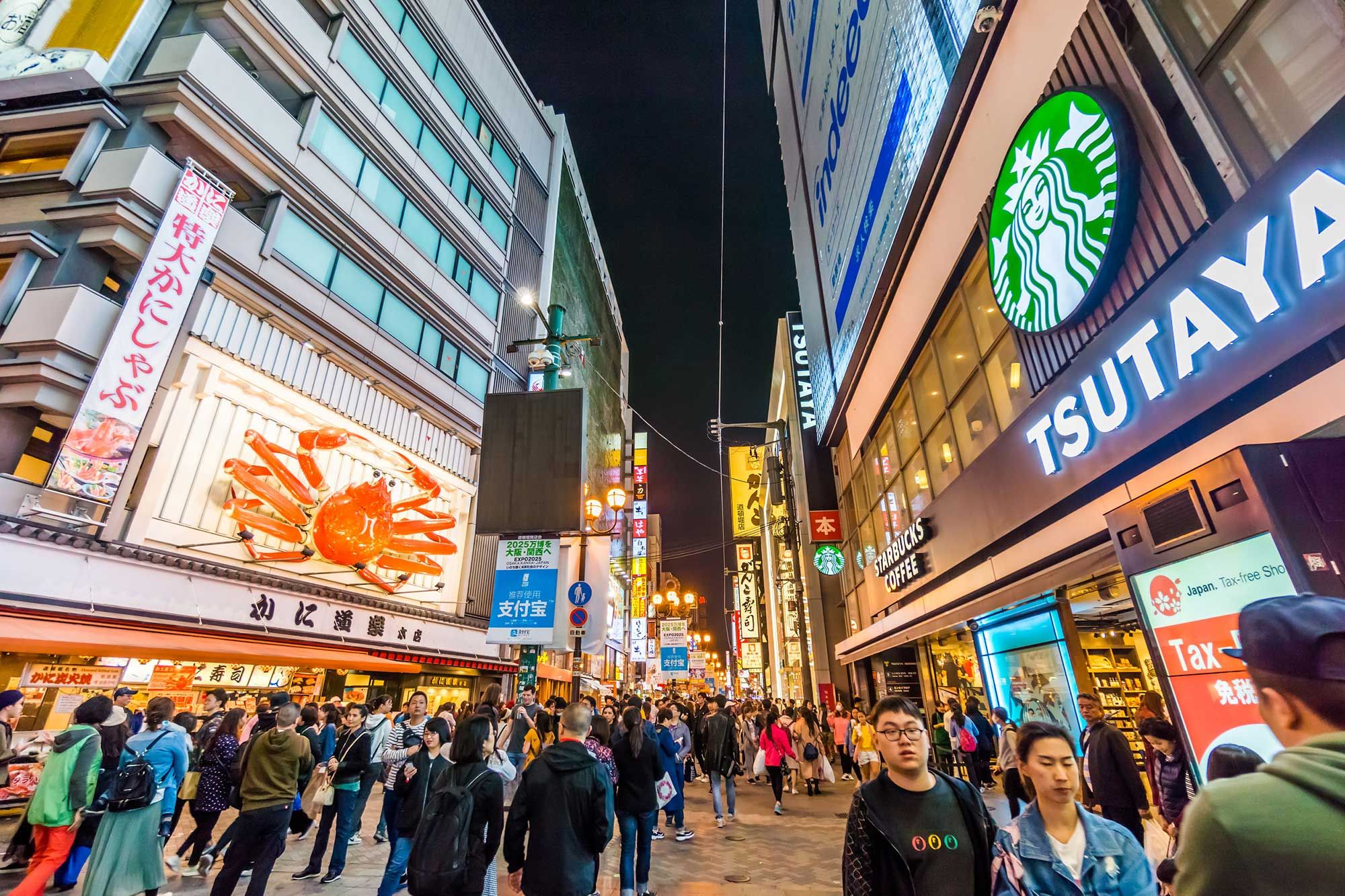
When people think of Osaka, their minds immediately drift toward the neon-soaked streets of Dotonbori (道頓堀) and the smoky, savory aroma of Takoyaki (たこ焼き) or Okonomiyaki (お好み焼き) sizzling on a grill. But for those in the know, Osaka is quietly staging a massive coup to become Japan's most exciting and diverse ramen frontier. While Tokyo has historically held the title for sheer density and Michelin prestige, Osaka is where you find the true, beating heart of noodle innovation — a city where tradition is deeply respected, but rules are meant to be broken in the tireless pursuit of the perfect umami. In 2026, Osaka boasts multiple Michelin Bib Gourmand–listed ramen counters, world-class vegan bowls, and 24-hour neon-lit institutions that have fed five generations of locals.
In this guide, we will take you through Osaka's 10 best ramen shops for 2026 — including Michelin-recognized picks like Mugi to Mensuke, the cult Tabelog #1 Jinrui Mina Menrui, and the 24-hour Kinryu stall in Dotonbori that has fed every late-night reveler in the city since the 1980s. From the iconic stalls that feed post-party crowds in Namba (難波) to the high-end, artisan "hidden gems" tucked away in the labyrinthine backstreets of Fukushima (福島), we cover every style worth your trip: tonkotsu, tori-paitan, tsukemen, vegan, and even halal-friendly options. Whether you are a curious first-timer searching for "the best ramen in Osaka" or a seasoned ramen head who has tasted bowls from Hokkaido to Kagoshima, this guide has everything you need to navigate the city's noodle maze.
Why Osaka Is a Ramen Paradise: The Secret of the Dashi
To truly understand why Osaka ramen tastes fundamentally different from the bowls you’ll find in Tokyo or Fukuoka, you have to understand the city’s historic identity. For centuries, Osaka was known as "The Nation's Kitchen" (Tenka no Daidokoro / 天下の台所). During the Edo period, it was the commercial hub of the country, the place where high-quality kombu (kelp) from the cold, deep waters of Hokkaido met dried bonito flakes (katsuobushi) from the southern coasts of Shikoku and Kyushu.
The Foundation of Flavor: The Cult of Dashi
Because Osakans have been obsessed with "dashi" (soup stock) for generations, their expectations for ramen broth are incredibly high. Even a "cheap" bowl at a train station in Osaka often features a more complex, naturally flavored base than a mid-range shop in other cities. The city’s collective palate favors depth and "kokumi" (richness) without relying solely on heavy animal fats. This creates a ramen culture that is sophisticated, layered, and deeply satisfying. When you take a sip of an Osaka Shoyu ramen, you aren't just tasting soy sauce; you are tasting 400 years of merchant history and the perfect marriage of sea and land.
A Culture of Radical Innovation: The Rebel Soul
Osaka people are famously adventurous, pragmatic, and slightly rebellious. Unlike the more rigid culinary traditions of Kyoto, where "standard" is often synonymous with "best," Osaka is a place where "anything goes" as long as it tastes good. This spirit has led to the rise of specialized styles that you won't find anywhere else. In 2026, we are seeing a massive explosion in "Fusion Ramen," where Japanese dashi techniques are combined with French sauces, Italian truffle oils, and Southeast Asian spices.
Understanding the Seven Major Ramen Styles in Osaka
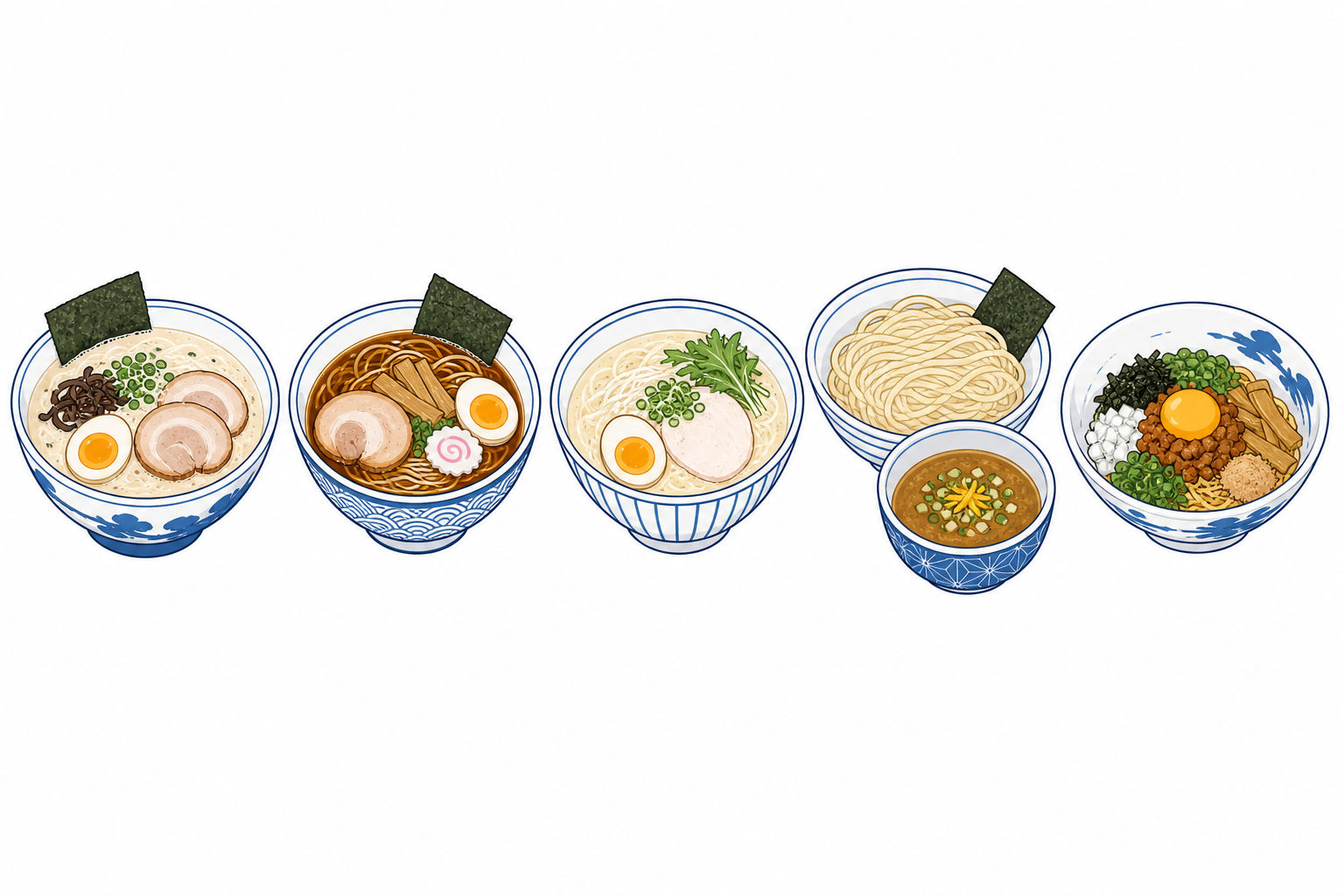
If you’re standing in front of a ticket machine and don't know what to choose, here are the seven categories that define the local market in 2026.
1. Tonkotsu (豚骨)–The Creamy Pork Powerhouse
Originally a specialty of Kyushu, Tonkotsu has been embraced and perfected in Osaka. The broth is made by boiling pork bones at a constant, rolling boil for up to 20 hours. This process releases the marrow and collagen, resulting in a thick, milky, and incredibly savory liquid.
- The Vibe: Rich, heavy, and satisfying.
- Essential Toppings: Chashu (braised pork belly), kikurage (wood-ear mushrooms), and a generous portion of crushed garlic.
2. Shoyu (醤油)–The Soulful Soy Classic
Shoyu is the "standard" ramen of Japan, but Osaka gives it a lighter, cleaner twist. The focus is on the quality of the "Kaeshi" (the soy sauce base) and how it interacts with the clear chicken or fish-stock dashi.
- The Vibe: Light, comforting, and nostalgic.
- Osaka Special: "Takai-kei" (High-field style) Shoyu, which features a darker, saltier soy broth and extremely thick, chewy noodles. It is the ultimate "power food" for Osaka's working class.
3. Tori-Paitan (鶏白湯)–The Velvety Chicken Gourmet
This is the breakout star of the 2020s and remains the trendiest style in 2026. Think of it as the chicken version of Tonkotsu—a dense, white, creamy soup made entirely from chicken parts. It’s incredibly rich but feels more "refined" and less oily than pork-based soups.
- The Vibe: Elegant, modern, and artisan. It is often the preferred choice for younger diners and those looking for a "gourmet" experience.
4. Tsukemen (つけ麺)–The Dipping Noodle Adventure
In Tsukemen, the noodles and the soup are served in separate bowls. The noodles are usually thicker, colder, and served in a larger portion, while the soup is a super-concentrated, hot dipping sauce.
- The Vibe: For the "Noodle Purist" who wants to taste the texture and quality of the wheat.
- The Ritual: The final step, "Soup-wari," where you dilute the remaining sauce with plain broth to drink it, is a mandatory part of the experience.
5. Mazesoba (まぜそば)–The No-Soup Rebel
Mazesoba is a "soupless" ramen where the noodles are tossed in a thick, spicy, and savory sauce. It is usually topped with a raw egg yolk, minced meat, and plenty of green onions.
- The Vibe: Bold, spicy, and messy. It is incredibly popular in the youth-centric Amemura area.
6. Shio (塩)–The Delicate Salt Purist
Shio ramen uses a salt-based seasoning, which allows the quality of the dashi to shine through completely. It is the hardest style to master because there is no heavy soy or pork flavor to hide mistakes.
- The Vibe: Clean, transparent, and incredibly light.
7. Niboshi (煮干し)–The Fish Bomb
Niboshi ramen uses dried baby sardines to create a broth that is intensely fishy and packed with umami. It is an acquired taste, but once you love it, you can never go back.
- The Vibe: Punchy, earthy, and deep.
The Definitive Top 10: Osaka's Best Ramen Shops for 2026
We've curated this list of ten essential shops to ensure Sarah has the perfect experience, from iconic 24-hour stalls to artisan hidden gems.
1. Kinryu Ramen (金龍ラーメン)–The Symbol of Dotonbori
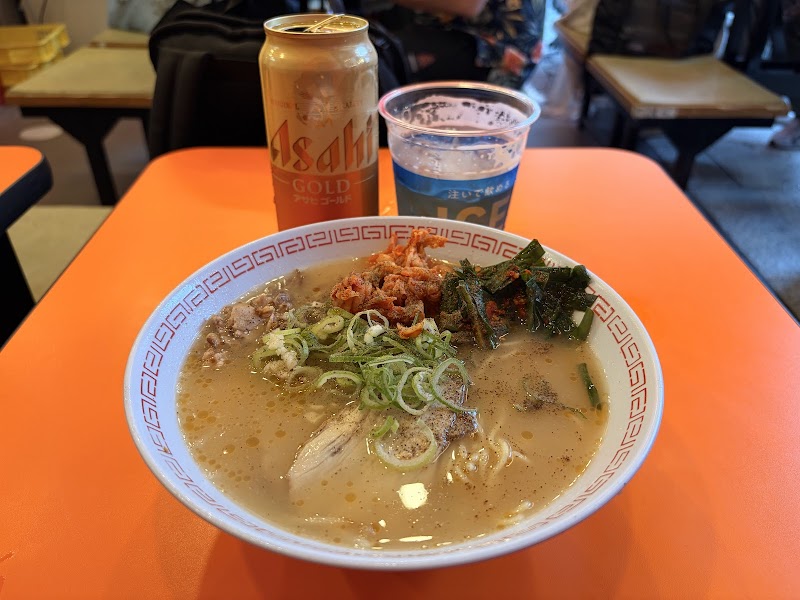
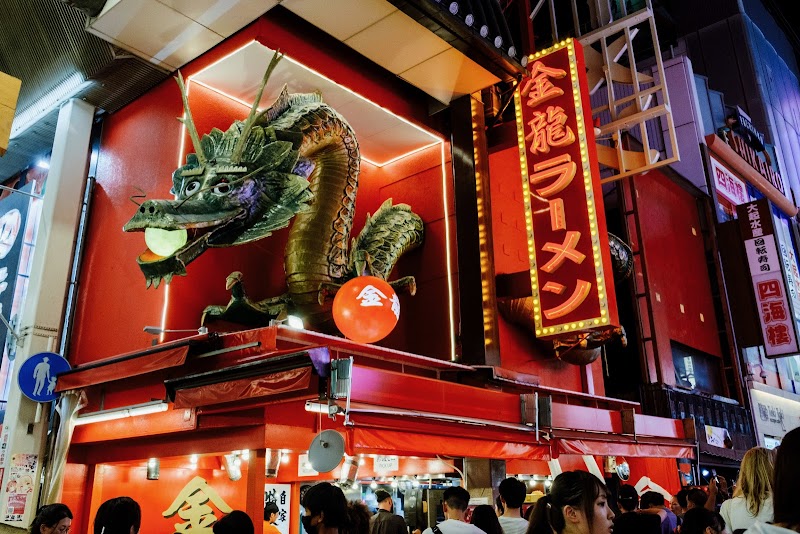
You will see the giant, 3D green dragon bursting out of the building long before you see the shop itself. Kinryu is more than a restaurant; it is a piece of Osaka’s nighttime identity. It has served the city since the 1980s and represents the gritty, welcoming, and slightly chaotic heart of Namba.
- The Experience: You eat standing up or sitting on tatami-mat platforms right on the street. It’s noisy, it’s chaotic, and it’s perfectly Osaka. This is not a place for a quiet date; it is a place to feel the pulse of the city. The open-air setting means you are part of the Dotonbori performance.
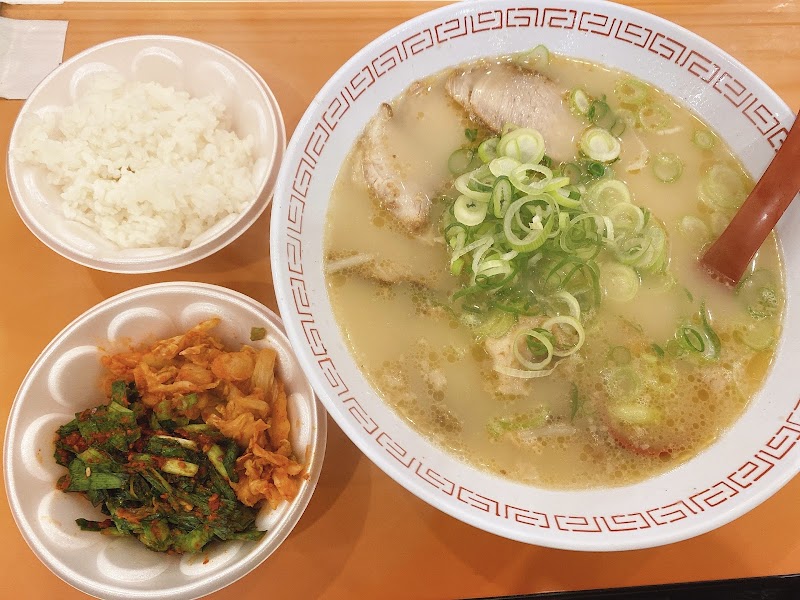
- The Food: A simple, peppery Tonkotsu soup that hits exactly the right spot after a few beers. The menu is simple: "Ramen" or "Chashu-men" (extra pork).
- The Secret: Your order comes with unlimited free toppings of house-made kimchi, spicy chives (nira), and crushed garlic. Most locals load their bowl until the soup turns a vibrant, fiery red. The chives add a sharp, pungent kick that balances the creamy pork fat perfectly.
- Sarah's Tip: This is the best place to go at 3:00 AM. There is no better way to see the transition from the late-night party crowd to the early-morning market workers. The energy is infectious, and the price (around ¥800) is unbeatable for the location.
https://kinryuramen.com/
2. Ichiran (一蘭)–The Master of Solo Dining
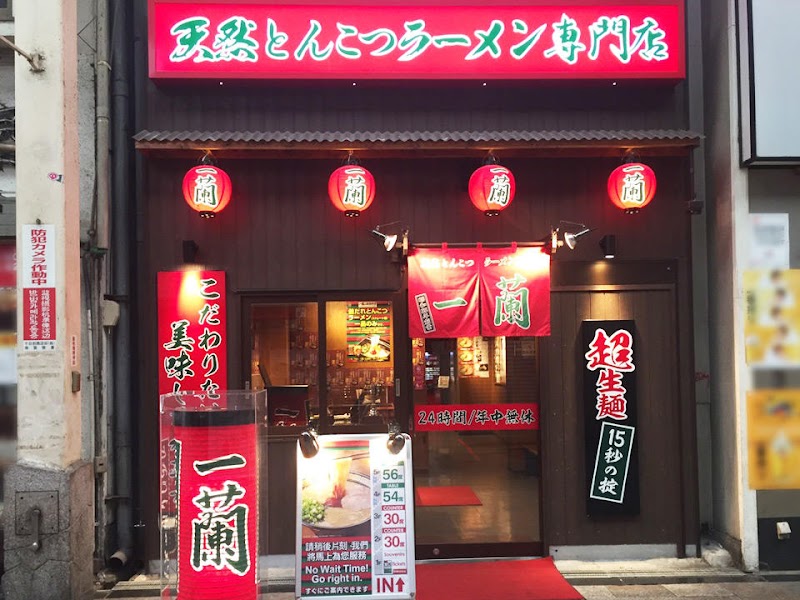
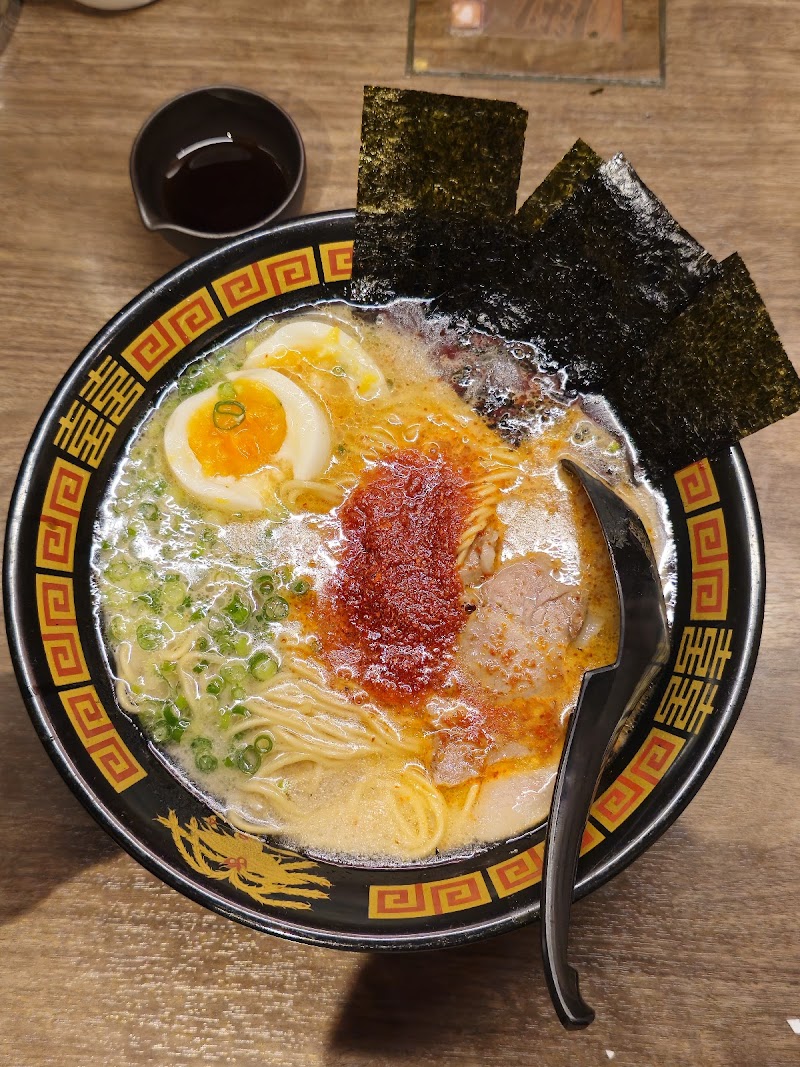
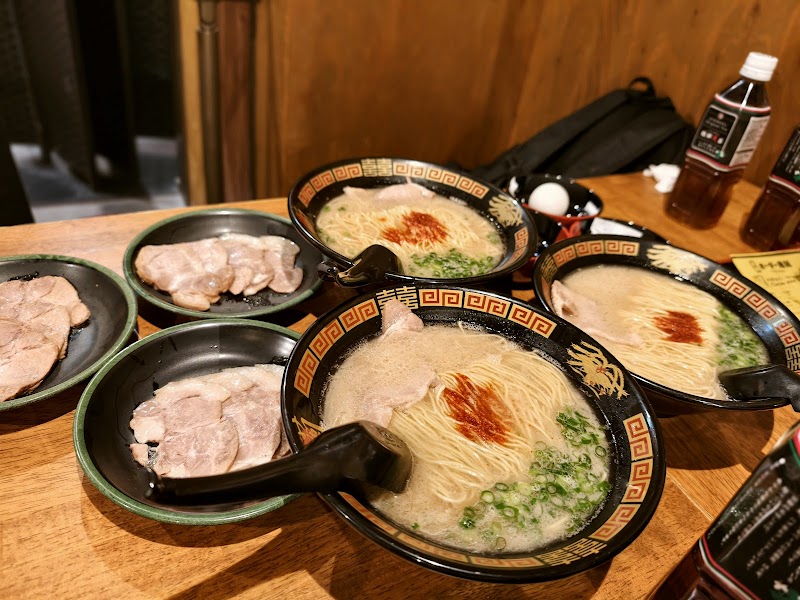
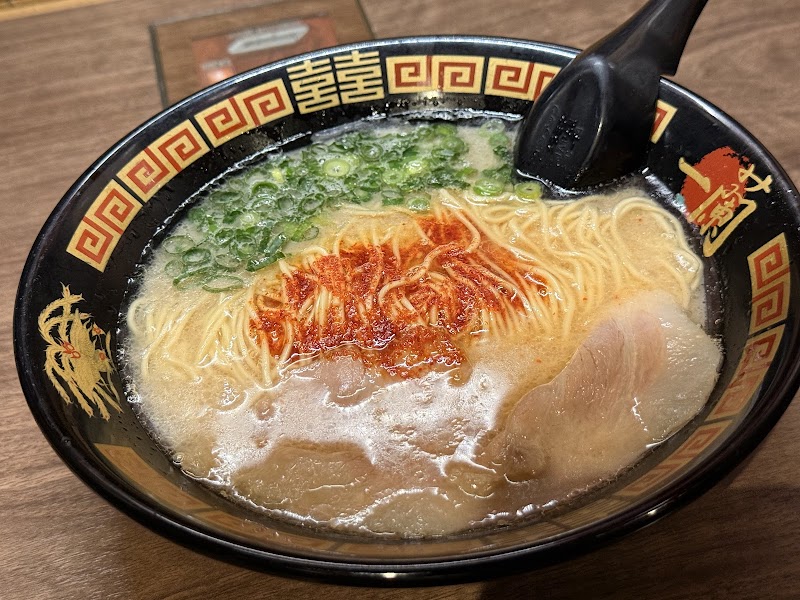
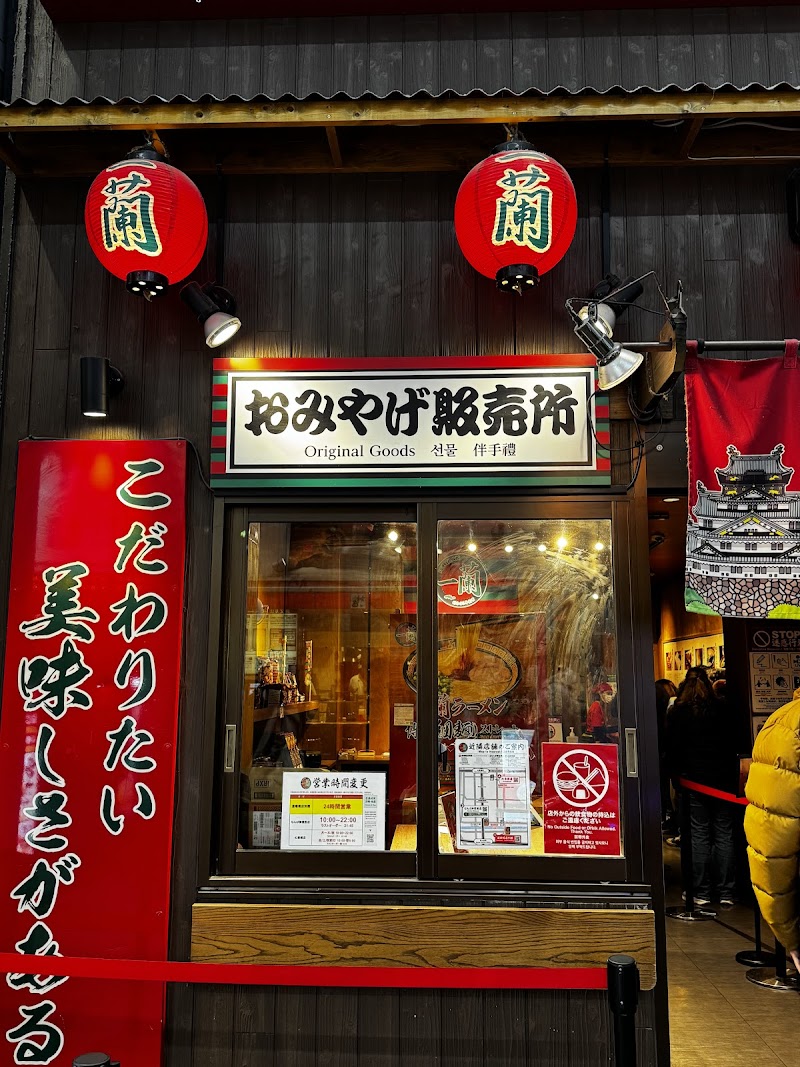
Ichiran is a global phenomenon, but its Dotonbori branches are special. They offer the "Flavor Concentration Booth," where you are seated in your own private stall, separated from other diners by wooden partitions. It is the ultimate haven for those who want to focus entirely on the taste of the noodles without social anxiety.
- The Process: You order via a paper sheet (available in English, Chinese, and Korean). You choose the strength of the dashi, the richness of the oil, the amount of garlic, and the texture of the noodles. You hand the paper to a pair of hands that appears through a small bamboo curtain—you never even see the staff's faces.
- The Food: Classic, reliable Hakata-style Tonkotsu. The red "secret sauce" in the center is a blend of 30 different ingredients, including several types of chili peppers, which adds a deep umami warmth rather than just raw heat. The noodles are thin and straight, designed to hold the maximum amount of creamy soup.
- The Kaedama Ritual: Never order a "Large" size. Instead, order a "Kaedama" (noodle refill). When you have finished about half of your noodles but still have soup left, place your Kaedama tray on the sensor at your table. A traditional charm sound will play, and a fresh serving of hot noodles will be brought to you instantly. It ensures your noodles are never soggy.
https://en.ichiran.com/
3. どうとんぼり神座 (Kamukura)–The Culinary Secret of the French Chef
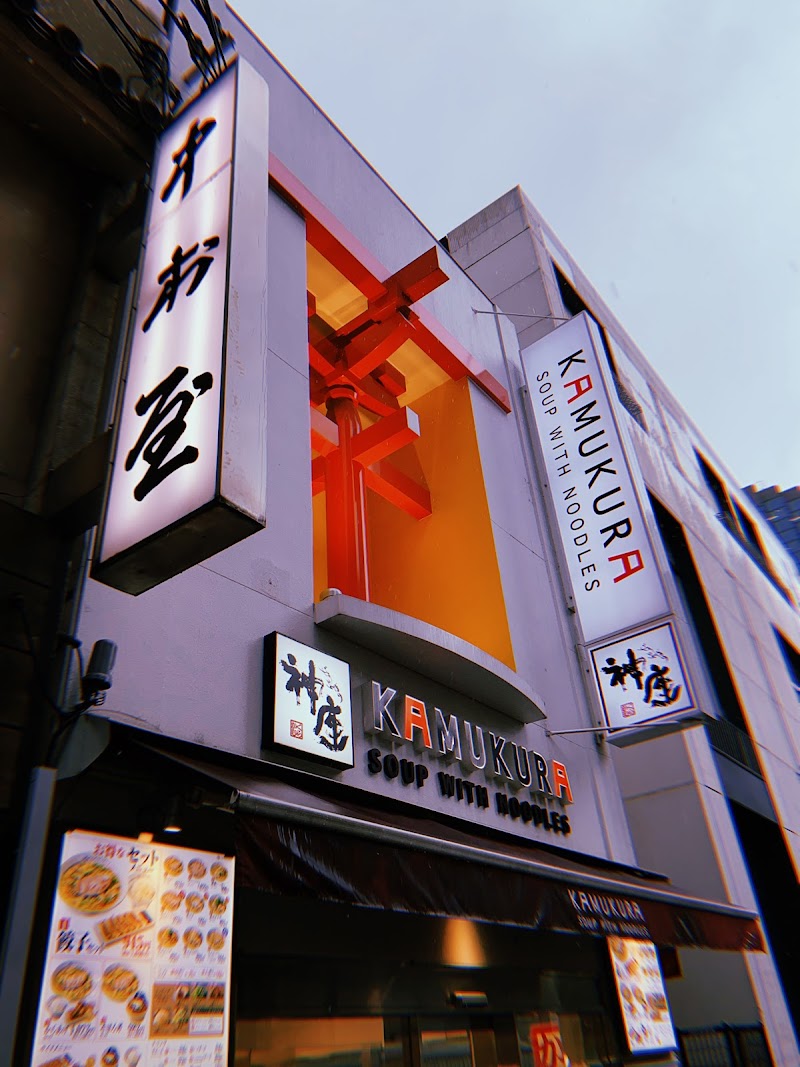
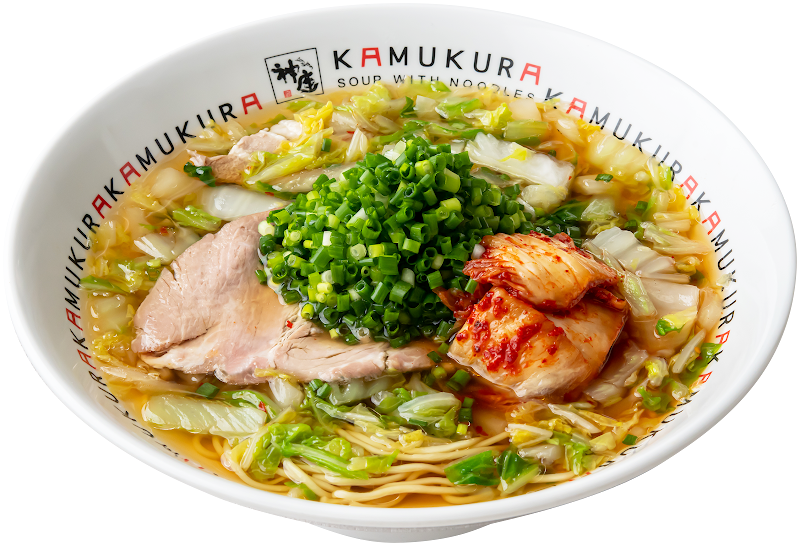
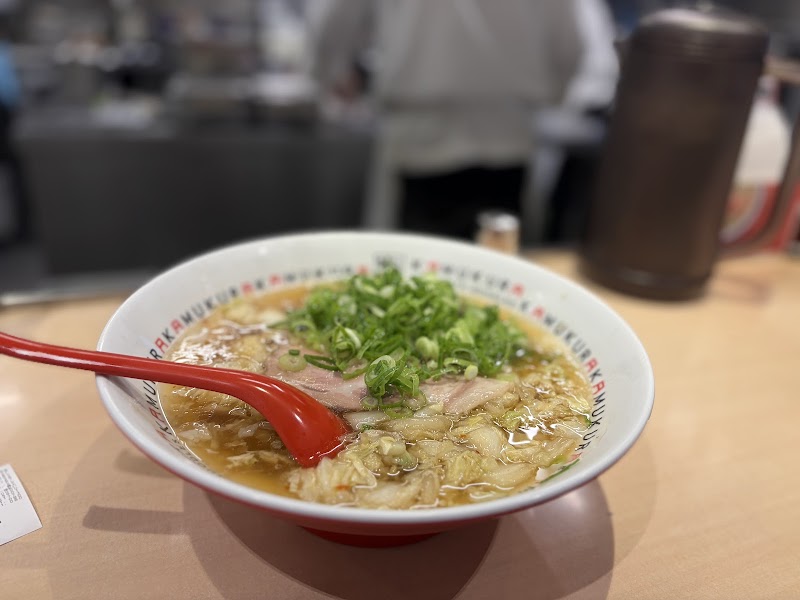
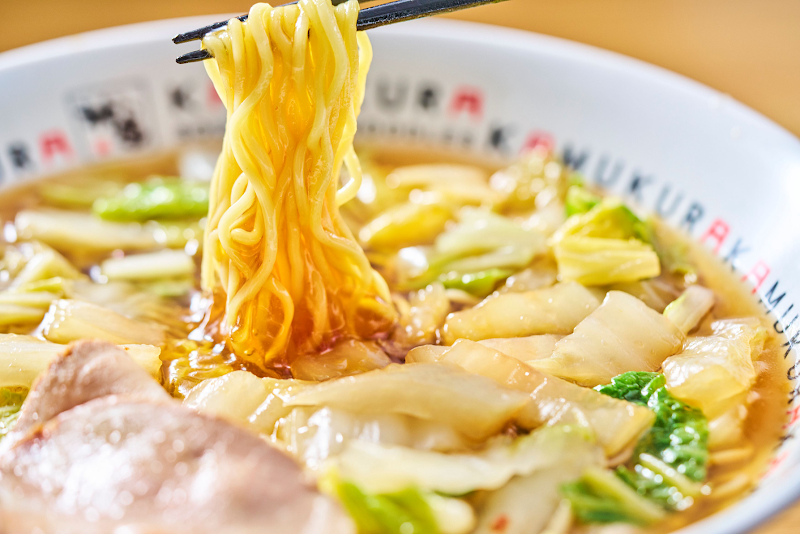
Founded by a former French cuisine chef, Kamukura’s soup recipe is a closely guarded secret. It is a light, sweet, and incredibly clear Shoyu broth packed with massive amounts of premium Chinese cabbage. This shop brought a level of technical culinary expertise to the street-food scene that was revolutionary when it first opened.
- The Food: Their "Oishii Ramen" (Delicious Ramen) tastes more like a sophisticated vegetable stew than a heavy grease bomb. It is remarkably light and high in fiber. The cabbage adds a natural sweetness that balances the savory soy sauce base.
- The Topping Strategy: On every table, you will find a large jar of "Karakuchi Nira" (spicy chives). These are marinated in a pungent, spicy oil. While the initial soup is sweet and delicate, adding two large spoonfuls of these chives halfway through your meal will completely transform the flavor into something bold, spicy, and aggressive.
- Why Sarah loves it: It's healthier than almost any other ramen on this list and leaves you feeling refreshed rather than sluggish. The interior of their Shinsaibashi flagship is also remarkably clean and bright, looking more like a boutique cafe than a traditional ramen stall.
https://kamukura.co.jp/
4. らーめん 弥七 (Ramen Yashichi)–The Holy Grail of Tori-Paitan
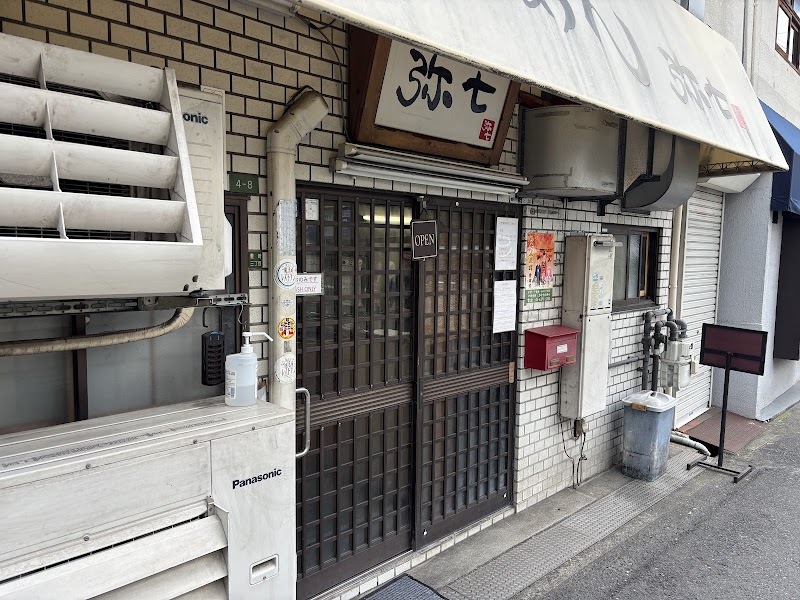
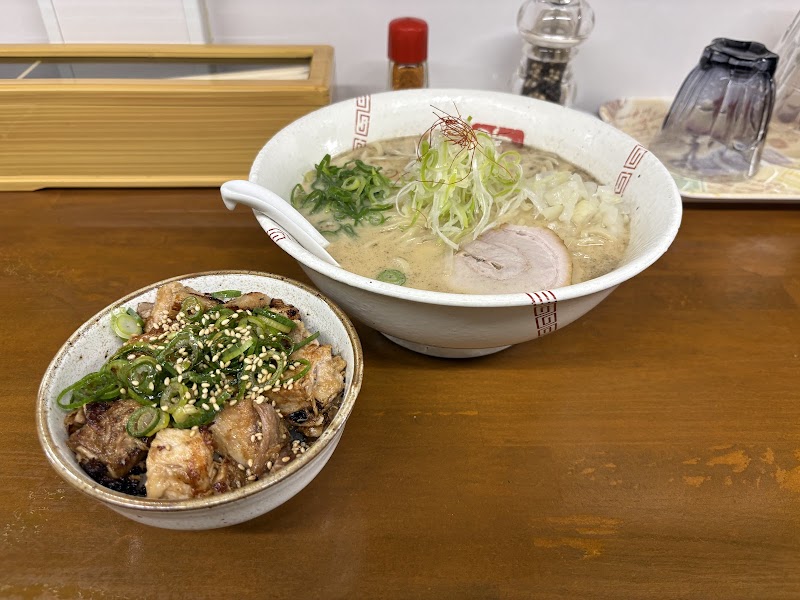
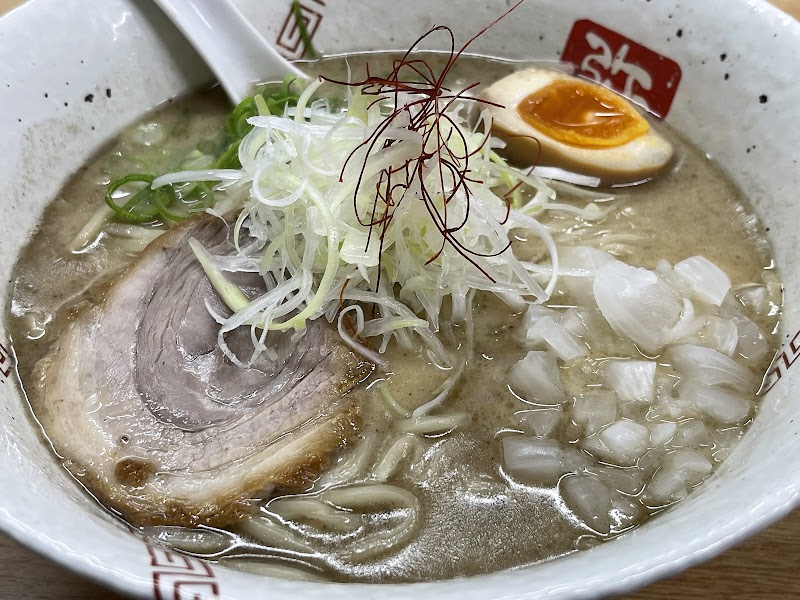
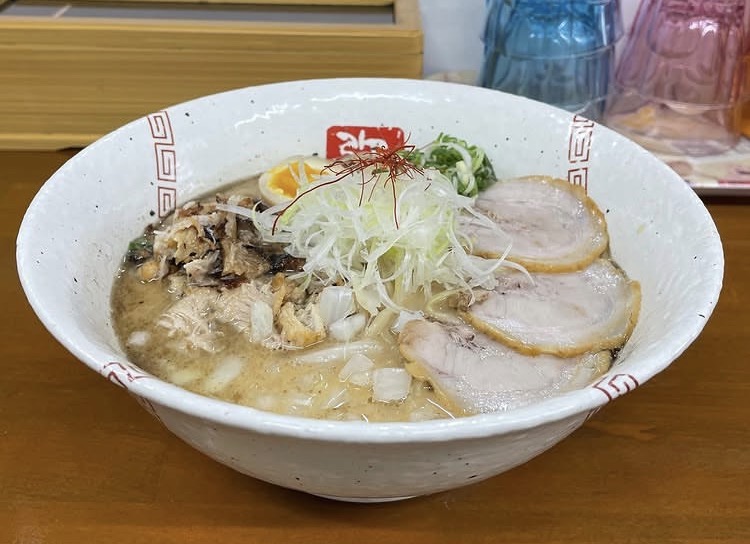
Located in a quiet residential area near Nakatsu Station, Yashichi is a pilgrimage site for ramen enthusiasts. It is consistently ranked as the #1 or #2 shop in the entire city by local critics and food apps. This is not a "tourist" shop; it is an artisan's workshop.
- The Challenge: They are only open on weekdays and use a "Numbered Ticket" system (Seiriken). You must arrive around 10:00 AM to get a ticket for a later time slot (e.g., 1:30 PM). They usually sell out before the lunch hour is over. It requires planning, but the reward is immense.
- The Food: Their Tori-Paitan is a revelation. It is aerated and blended until it has the consistency of a thick, savory chicken cream or a high-end latte. It is intensely rich with chicken flavor but contains almost no oil. The chashu is "Rare-style," cooked at a low temperature to preserve its pink color and incredibly soft, melt-in-your-mouth texture.
- The Vibe: Simple, humble, and strictly focused on the food. The silence of the diners—all focused intensely on their bowls—is a testament to the quality of the craftsmanship. It is the definition of "Artisan" ramen.
http://www.noodle.co.jp/
5. Moeyo Mensuke (燃えよ 麺助)–The King of the Fukushima Battleground
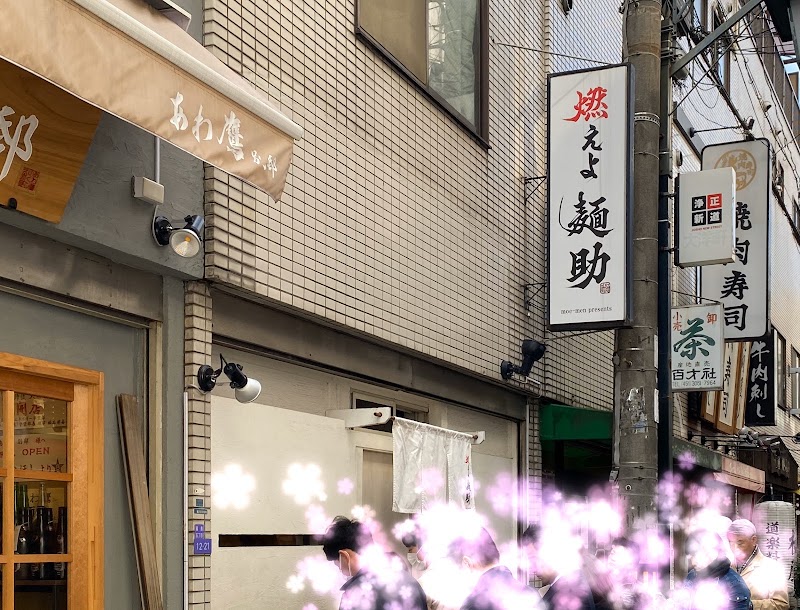
Fukushima is known as the most competitive "Ramen District" in Osaka. In this neighborhood, a shop that isn't world-class will close within months. Moeyo Mensuke has become the undisputed champion of this battleground.
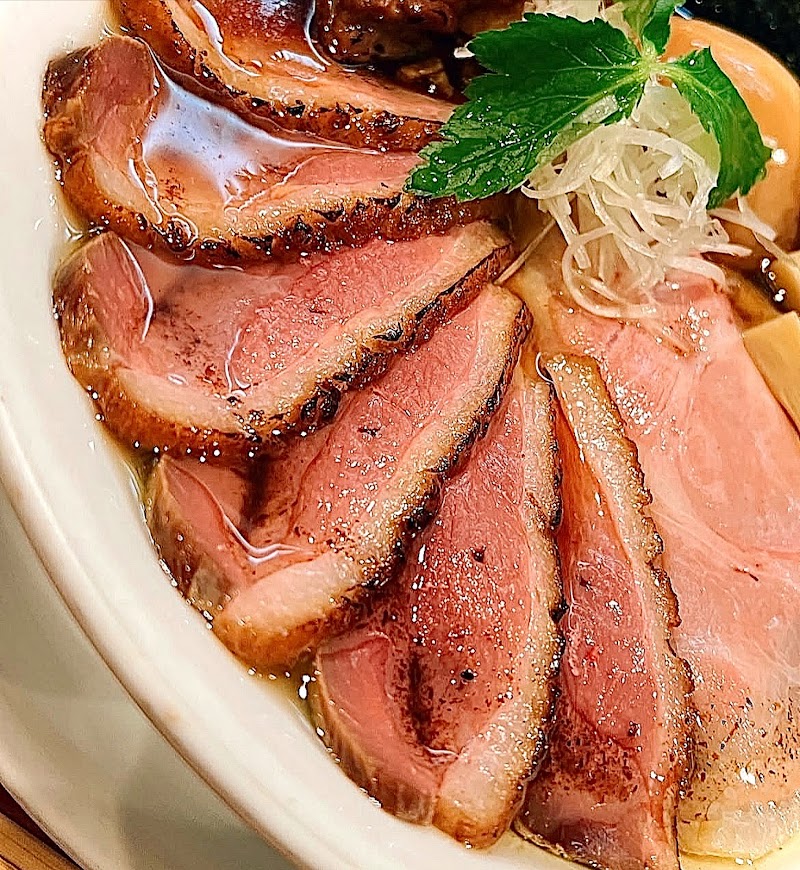
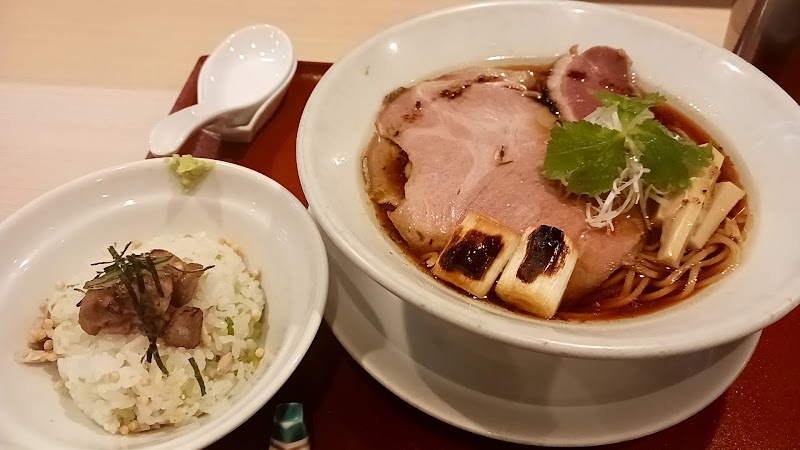
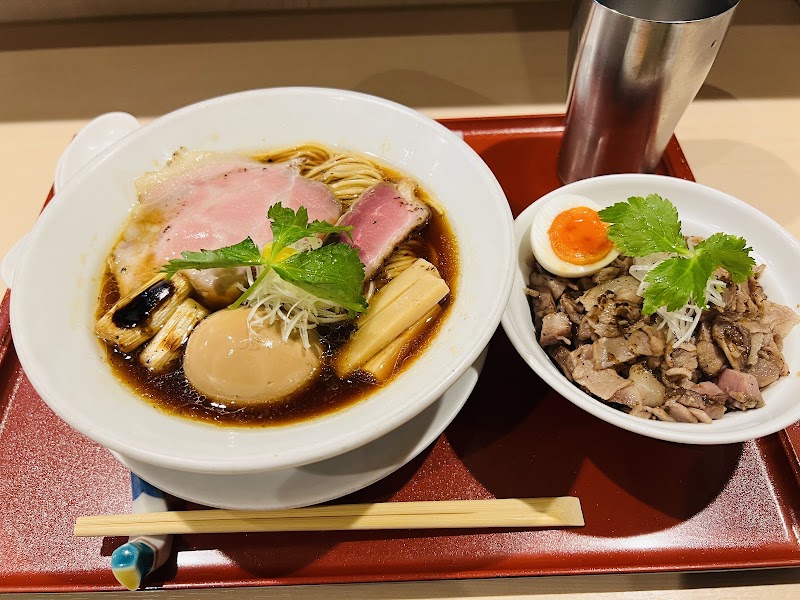
- The Food: They specialize in Duck Ramen (Kamo Soba). The broth uses a base of "Kishu Duck" from Wakayama, known for its deep, sweet fat. This is blended with a complex mix of several different aged soy sauces. The result is a flavor profile that is both deep and sweet, feeling more like a dish from a fine-dining French restaurant than a bowl of street noodles.
- The Presentation: The bowl is a visual masterpiece. It is topped with slices of roasted duck breast, delicate Mitsuba leaves, and a perfectly soft-boiled egg with a deep orange yolk. The noodles are thin and straight, designed to carry the maximum amount of that duck-fat-laden broth.
- The Strategy: Expect a line. Even on a rainy Tuesday afternoon, there will be 20 to 30 people waiting outside. However, the turnover is fast, and the staff are incredibly efficient at managing the queue. Sarah should bring a book or a podcast and enjoy the anticipation—it makes the first bite even more rewarding.
X: @moeyo_mensuke
6. Tenkaippin (天下一品)–The "Gravy" Ramen
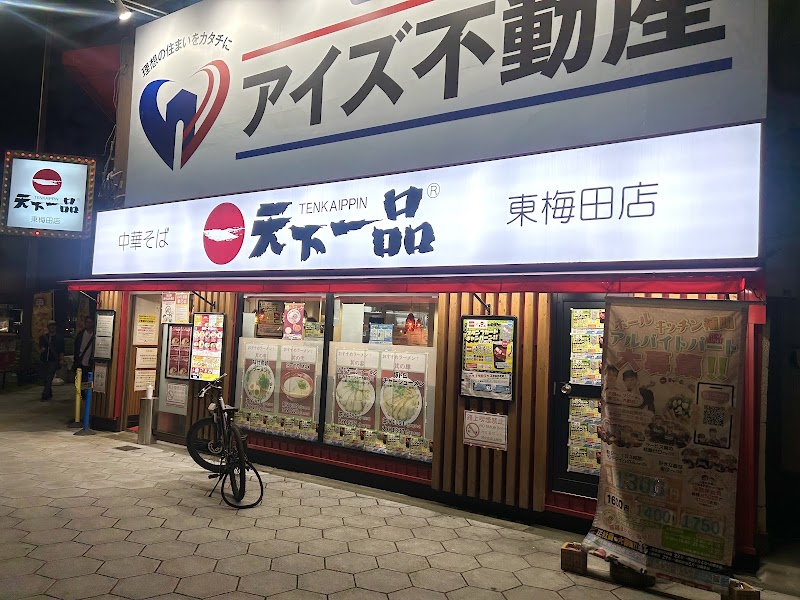
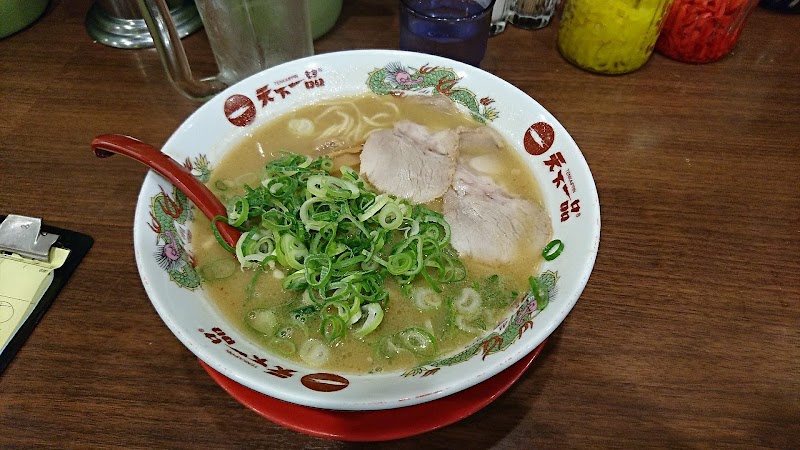
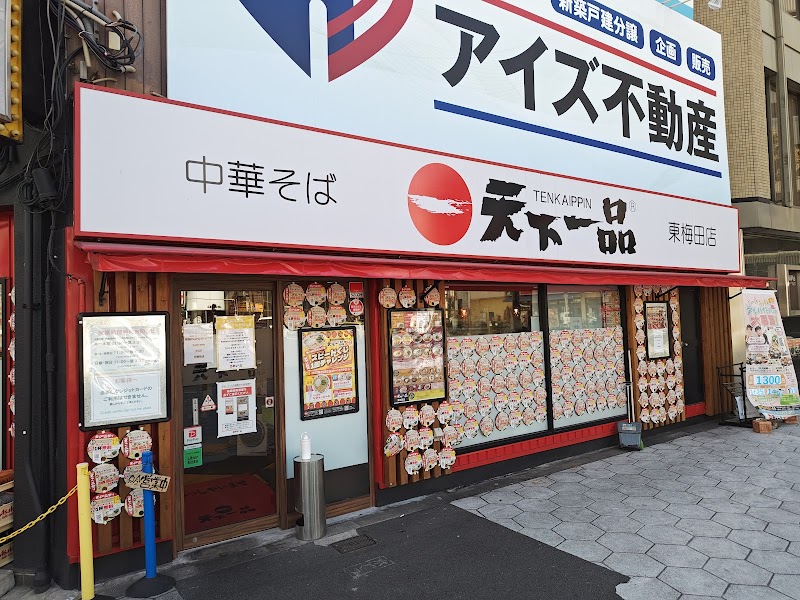
Locals simply call it "Ten-ichi." While it is a national chain, its roots are deep in Kansai culture. Their signature "Kotteri" soup is world-famous for being so thick that your chopsticks can almost stand up in it.
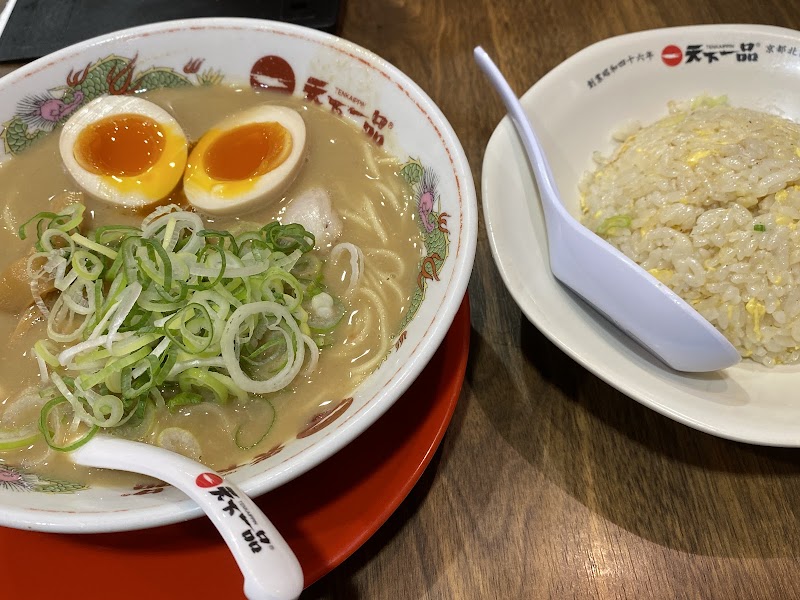
- The Food: The soup is made from chicken and a dozen different vegetables, boiled until it reaches the consistency of a thick gravy or a cream of mushroom soup. It is incredibly rich, salty, and packed with umami. You either love it or you're confused by it—but you have to try it at least once.
- The Pro Move: If "Kotteri" sounds too heavy, they offer "Assari" (light) and "Yassari" (a mix of both). Most fans also order a side of fried rice (chahan) to soak up the remaining gravy-like soup.
https://www.tenkaippin.co.jp/
7. Hanamaruken (花丸軒)–The "Happiness" Pork Rib
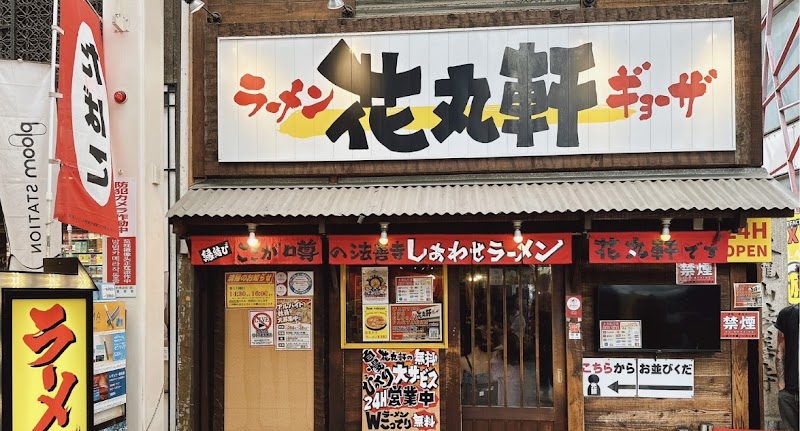
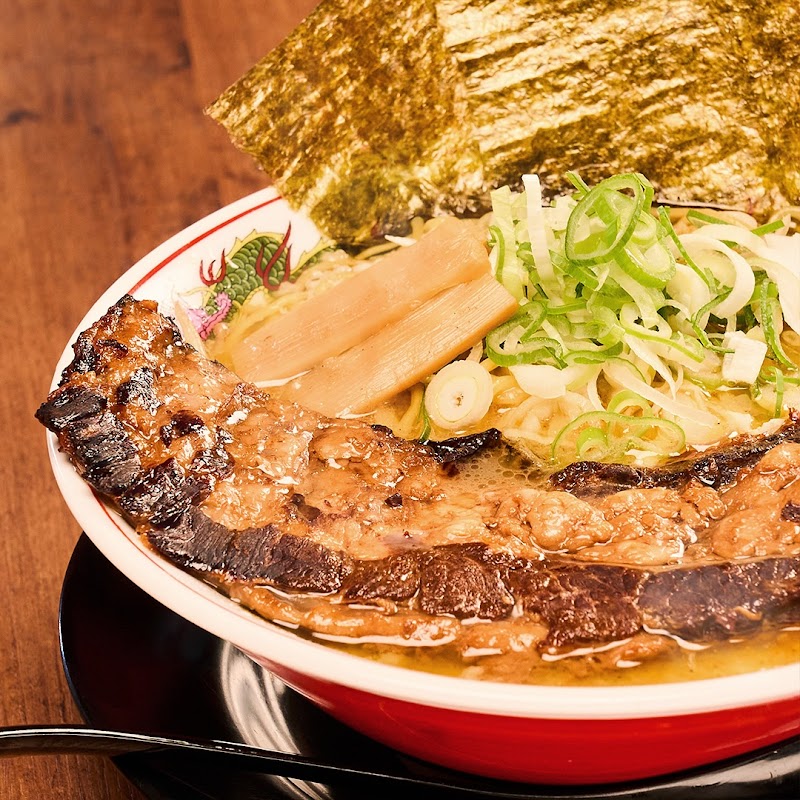
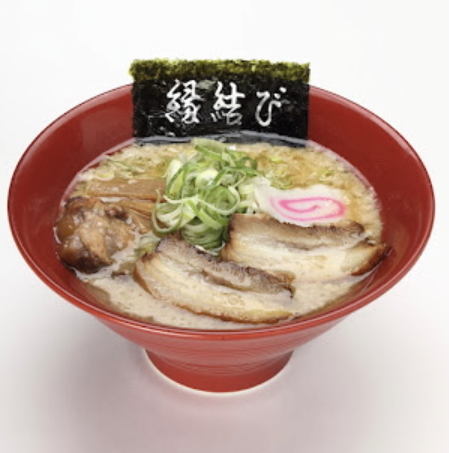
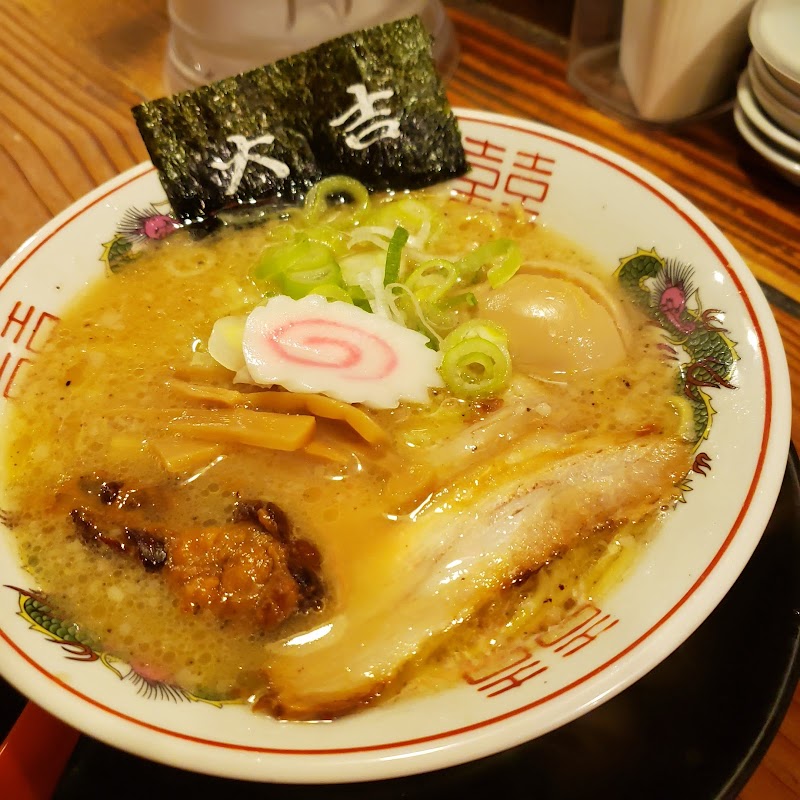
Located in the center of Namba, this shop is open 24 hours and is famous for its "Torotama Ramen."
- The Food: The star here is the "Slow-cooked Pork Rib." It is a massive slab of pork that has been braised for over 10 hours until the bone can be removed with a gentle tug of your chopsticks. It is decadent, heavy, and incredibly satisfying.
- The Perk: They offer one free "Kaedama" (noodle refill) and one free "Aji-tama" (boiled egg) to every customer. It is the ultimate value-for-money meal in Namba.
https://arakawa-fs.jp/
8. Jinrui Mina Menrui (人類みな麺類)–The Shellfish Shoyu Revelation
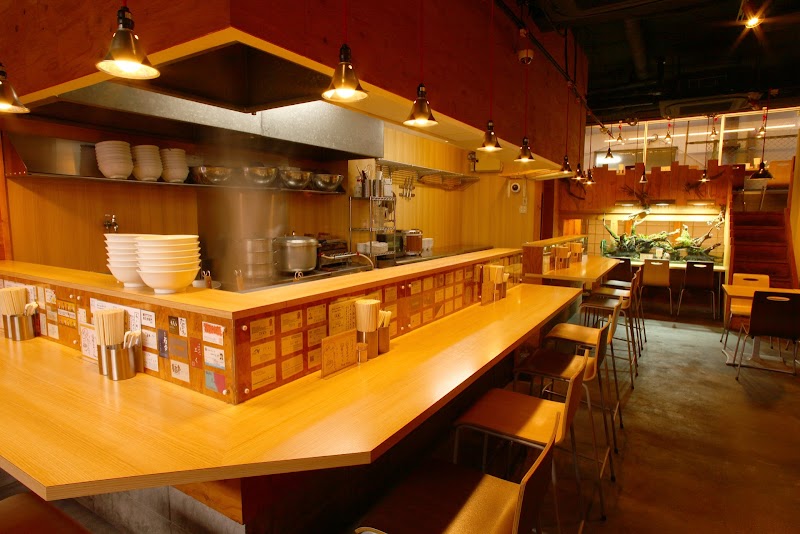
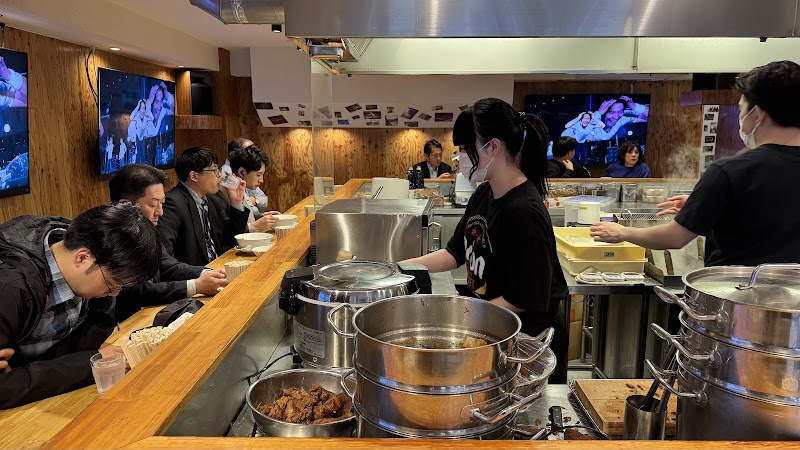
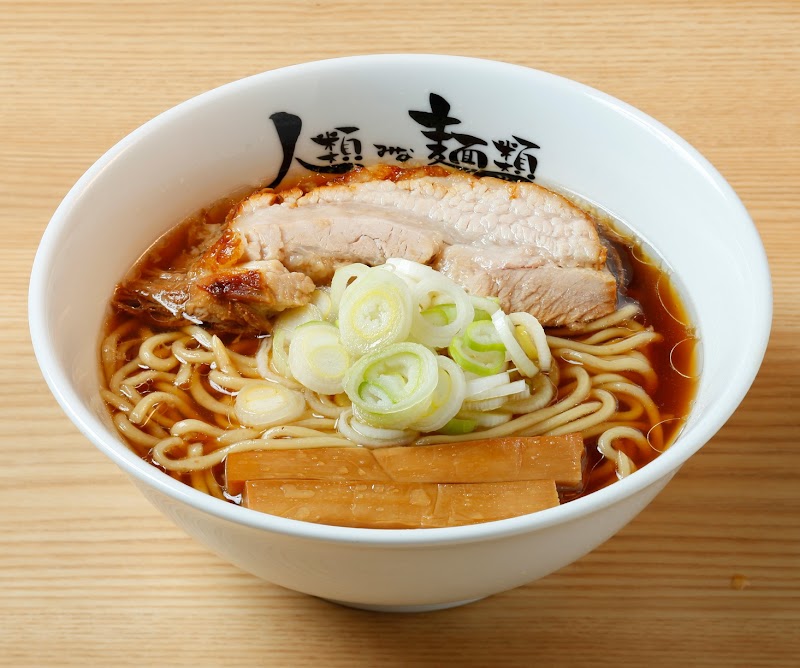
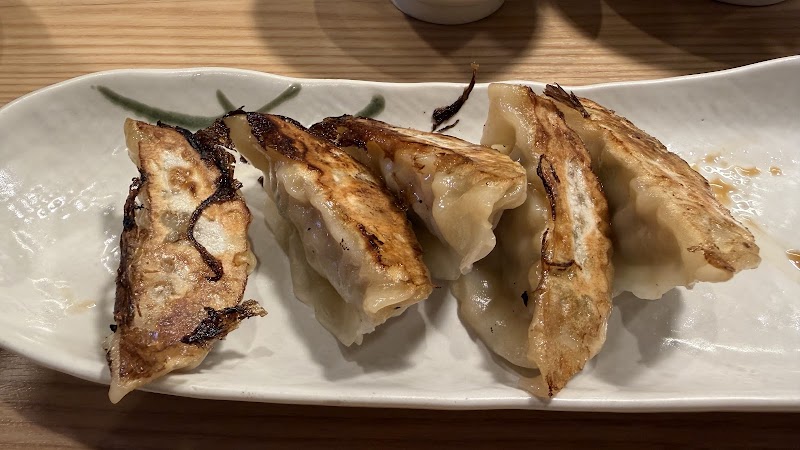
Tucked away near Nishi-Nakajima Minamigata Station, this unassuming shop has quietly risen to become one of the most talked-about ramen destinations in all of Osaka. It consistently holds the top spot on Tabelog's Osaka ramen rankings—a feat that speaks volumes in a city with thousands of competing shops.
- The Food: Their signature bowl is a shellfish-infused Shoyu ramen that combines the umami of multiple types of clams and scallops with a refined soy sauce base. The result is a broth that tastes like the ocean and the earth decided to collaborate on something extraordinary. The chashu is absurdly thick—almost steak-like slices of slow-cooked pork that could be a main course on their own.
- The Experience: The shop is small (about 10 seats), and lines form well before opening. The owner is a perfectionist who personally oversees every bowl. The atmosphere is focused and reverential—you can hear the satisfied slurping of every diner in the room.
- Sarah's Tip: Arrive 30 minutes before the 11:00 AM opening on weekdays to secure a spot. The "Macro" (large) portion is worth the upgrade if you're hungry. Don't skip the ajitama—it's marinated in the same shellfish-soy blend and is one of the best ramen eggs in the city.
https://www.jinrui-minamenrui.com/
9. Kadoya Shokudo (カドヤ食堂)–The Living Legend of Chukasoba
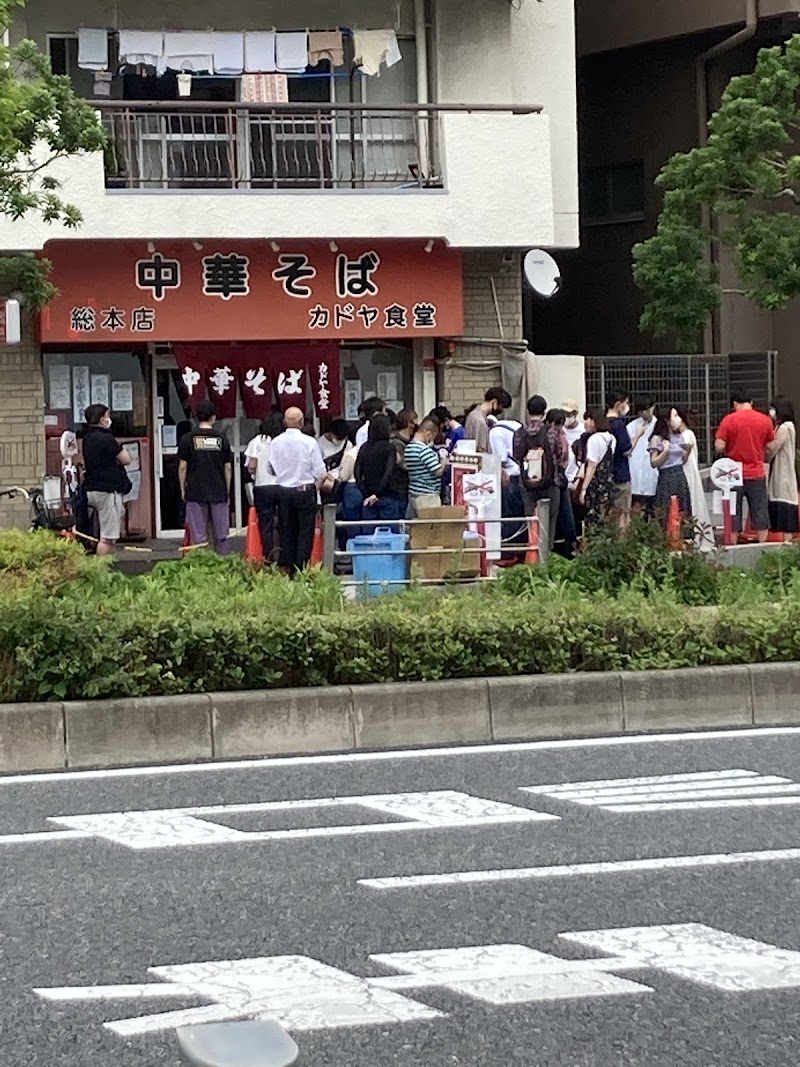
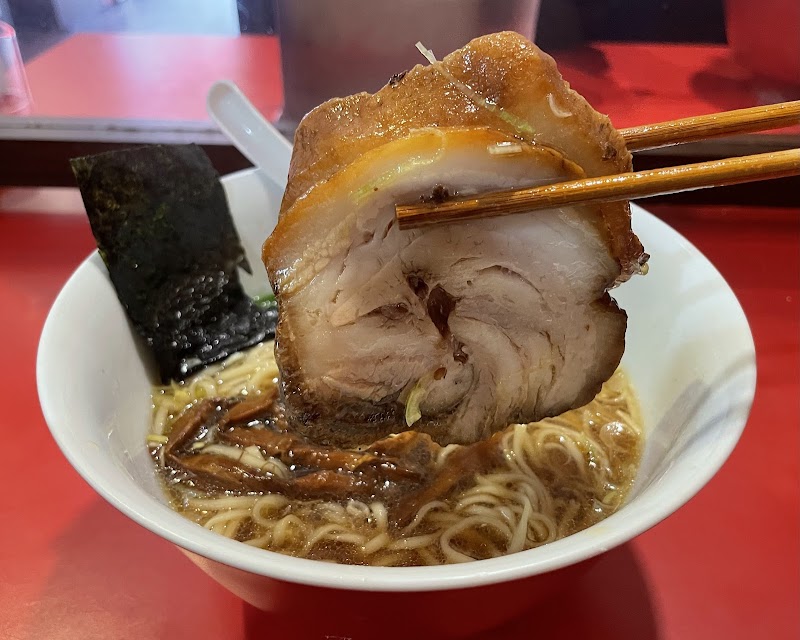
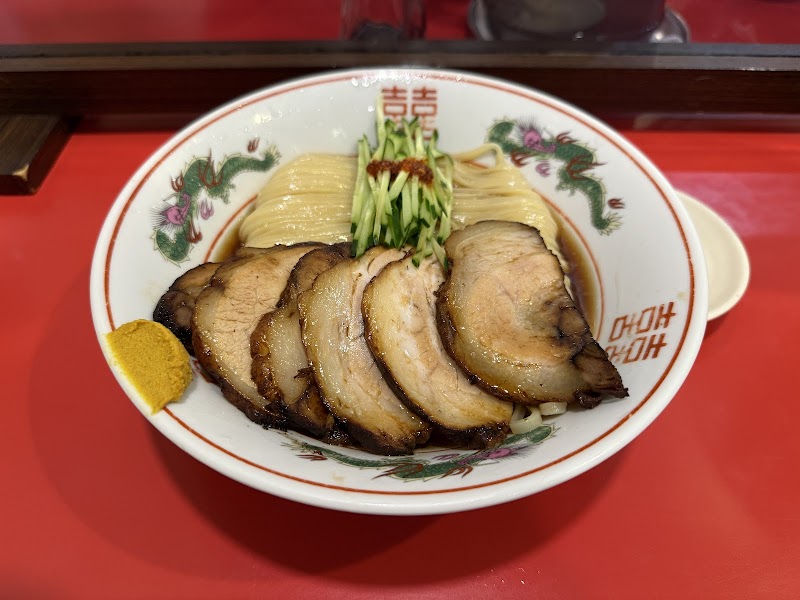
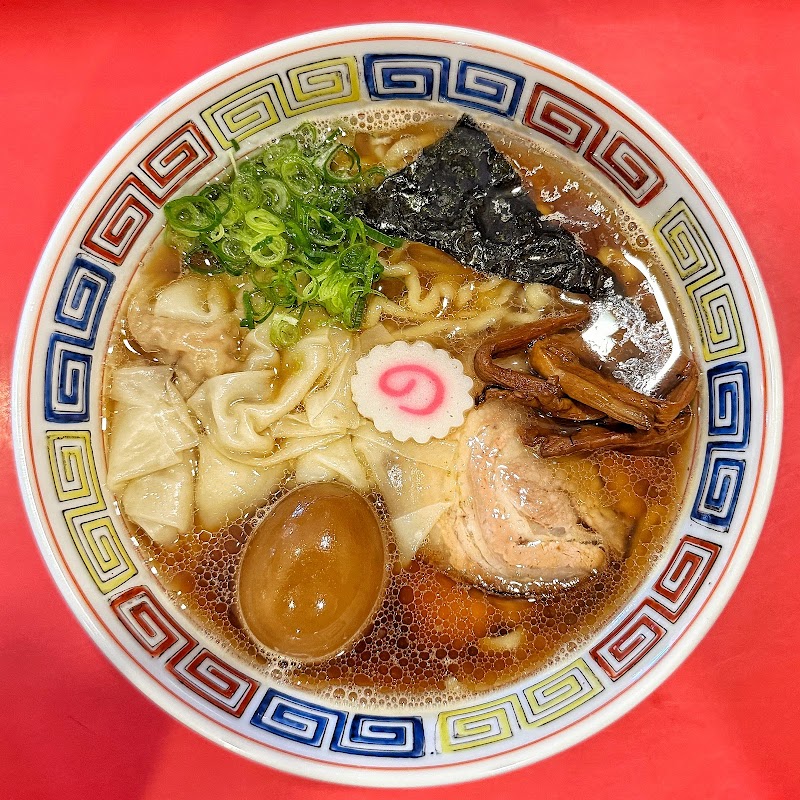
Since 1957, Kadoya Shokudo has been serving bowls of old-school Chukasoba from its corner location in Nishi-ku's Shinmachi district. While trendy shops come and go, Kadoya has endured for nearly seven decades by doing one thing perfectly: making the purest expression of what ramen was meant to be.
- The Food: Their Chukasoba is a masterclass in balance. The broth is a multi-layered blend of chicken, pork, and several types of dried fish, simmered with patience and precision. It is clear, golden, and impossibly deep in flavor—the kind of soup that makes you close your eyes on the first sip. Selected as a Tabelog Hyakumeiten (Top 100) in 2025, this bowl proves that tradition, when done right, never goes out of style.
- The Philosophy: In a city obsessed with innovation, Kadoya is a quiet reminder that mastery comes from repetition. The noodles are thin, straight, and perfectly calibrated to absorb just the right amount of broth. Every element is deliberate.
- Sarah's Tip: Take the Nagahori Tsurumi-ryokuchi Line to Nishi-Nagahori Station. This is not a tourist area, so you'll be eating alongside local regulars who have been coming here for decades. Order the basic Chukasoba first—it tells you everything you need to know about this shop's soul.
X: @kadoyaramen / Instagram: @kadoya.shokudou
10. Mugi to Mensuke (麦と麺助) — The Michelin Bib Gourmand Pick
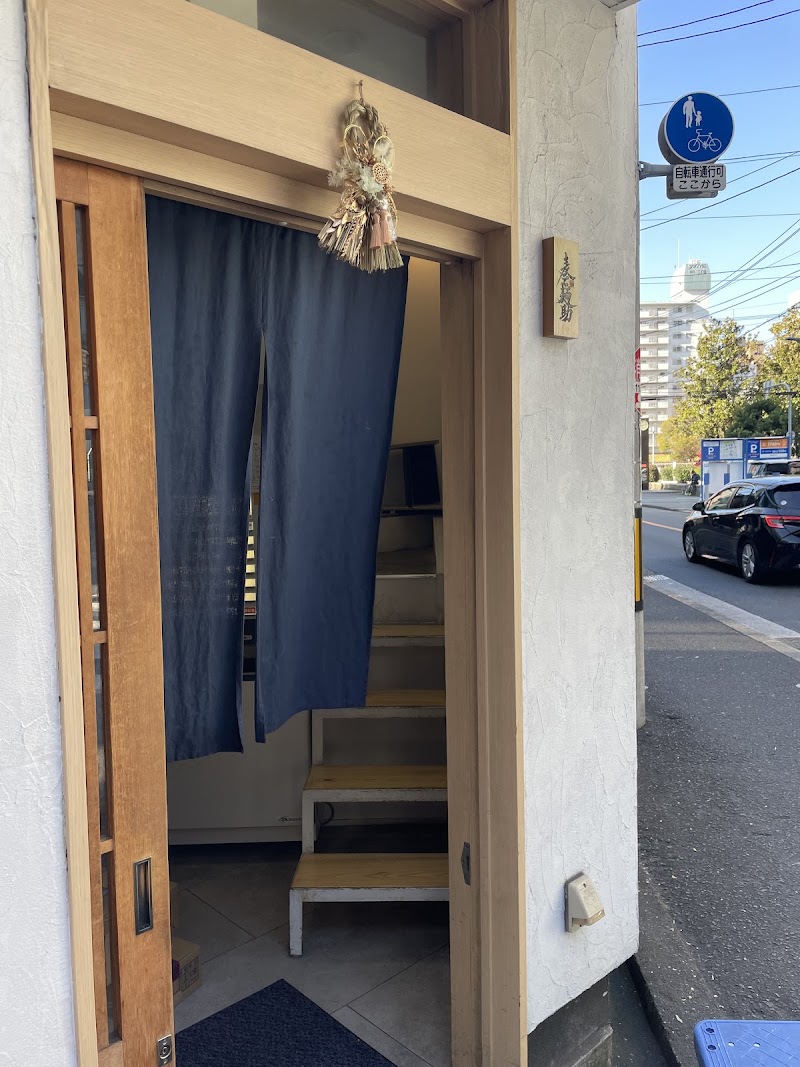
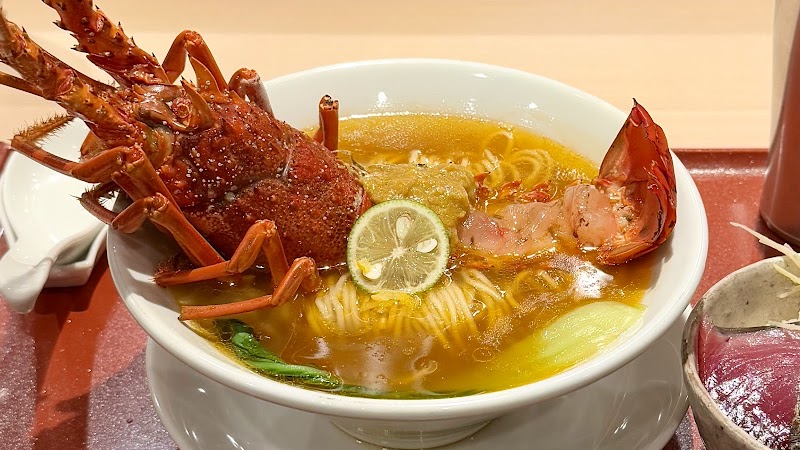
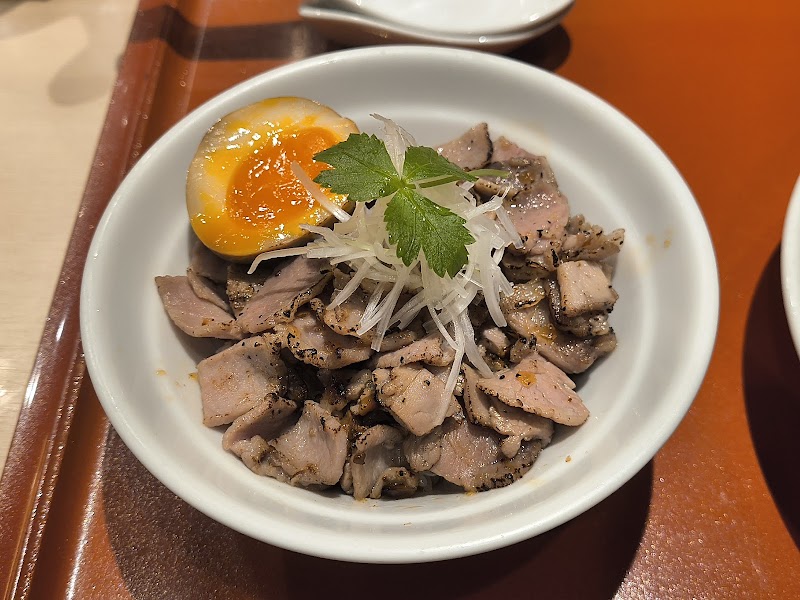
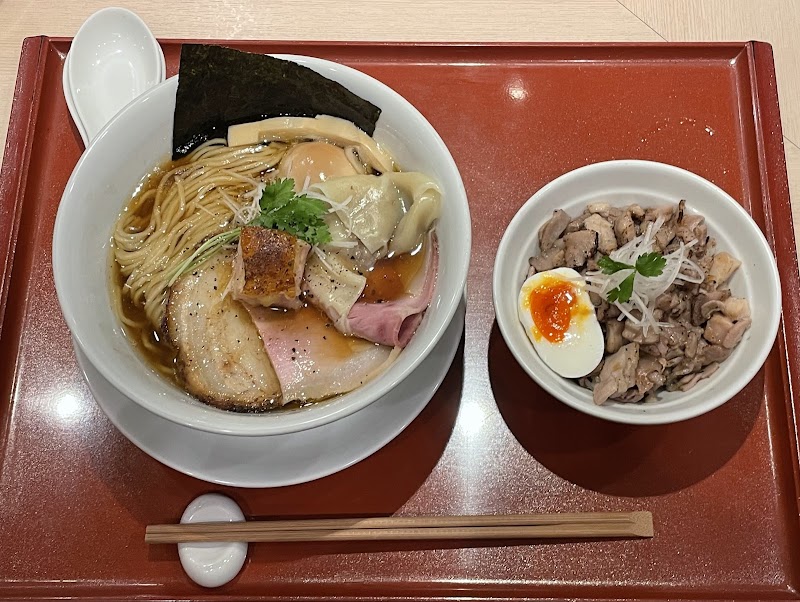
If you only have time for one Michelin-rated ramen bowl in Osaka, make it this one. Located in the Nakatsu district, Mugi to Mensuke is the sister shop of the legendary Moeyo Mensuke (#5 on this list) and is currently the most accessible Michelin Bib Gourmand–listed ramen shop in the city. While the original Moeyo is known for its bold duck ramen, this sibling takes a more refined, delicate approach — and the Michelin inspectors took notice.
- The Food: Their signature bowl features a clear, golden broth made from premium Kyoto Jidori chicken and Kagawa Prefecture iriko (dried baby sardines). The noodles are made in-house using high-quality Hokkaido wheat, giving them a subtle sweetness and satisfying chew. The toppings are minimalist but precise: thin slices of rare-cooked chicken chashu, a perfectly marinated egg, and a scattering of fresh green onions.
- The Connection: If Moeyo Mensuke is the rebellious older sibling—bold, intense, and unapologetic—then Mugi to Mensuke is the thoughtful younger one, favoring elegance and restraint. Visiting both gives you a complete picture of what one ramen family can achieve.
- Sarah's Tip: Nakatsu is just one stop north of Umeda on the Midosuji Line, making it easy to combine with a visit to nearby Yashichi (#4). The shop is smaller than Moeyo, so weekday lunch is your best bet for shorter wait times.
X: @mugitomensuke
Best Ramen Areas in Osaka: Where to Explore in 2026
If you want to spend a whole day dedicated to noodles, Sarah, here is how the city is geographically divided.
1. Namba & Dotonbori (Minami)–The Gateway Hub
This is the area for beginners. You have the biggest names (Ichiran, Kinryu, Kamukura) all within a 5-minute walk.
- The Strategy: Start here for your first bowl. Visit the Hanamaruken shop for their famous pork rib ramen, then wander over to Menya Jo for an authentic "Takai-kei" experience with thick, dark soy noodles.
2. Fukushima–The Foodie Battleground ⭐
Located one train stop west of Osaka Station, Fukushima is where the most talented independent chefs go to prove themselves.
- The Strategy: Head here for a "Ramen Crawl." Within three blocks, you'll find shops specializing in everything from duck and sardine to creamy chicken and spicy miso. Look for Ramen Kasumi if you want an intense "Fish umami" bomb made from dried sardines.
3. Umeda (Kita)–The Underground Maze
The underground malls of Umeda (Whity Umeda and Diamor) are home to dozens of excellent stalls catering to busy office workers.
- The Strategy: This is the perfect option for a hot summer day or a rainy winter morning. Look for Chabuton in the Yodobashi Camera building for a Michelin-approved bowl that is surprisingly affordable and offers excellent vegan options.
Practical Tips for the Perfect Ramen Experience
How to Use the Vending Machine (Kenbeiki)
Most shops in Osaka use a ticket machine at the entrance. This can be intimidating for Michael, but it’s actually quite logical:
- Money First: Insert your yen (notes or coins). The buttons will light up.
- Top Left is King: Usually, the button in the top left corner is the shop’s "Signature" bowl. If you are confused, push this one.
- Choose Toppings: Buttons with photos of eggs or extra pork are your topping options.
- Change: Don't forget to push the lever for your change!
- The Ticket: Hand the ticket to the staff. They may ask you questions like "Katame?" (Firm noodles?) or "Ninniku?" (Garlic?). Just nod and say "Hai!"
Mastering the Etiquette: Slurp Like a Local
- Slurping is Mandatory: Slurping is not just a sign of enjoyment; it serves a functional purpose. It pulls air into your mouth, which cools the noodles and enhances the aroma of the broth. It is a direct compliment to the chef!
- Don't Linger: Ramen shops are high-turnover businesses. Once your bowl is empty, it is polite to leave within 5-10 minutes so the next person can sit down. It is not a place for a long chat over coffee.
- The Water is Free: You will always find a pitcher of cold water and a glass at your seat. In Osaka’s humid summer, this is a lifesaver. It is self-service, so feel free to refill as often as you like.
The Future of Osaka Ramen: Trends for 2026 and Beyond
As we move through 2026, the Osaka ramen scene is evolving faster than ever. Here is what Sarah should look out for:
1. The Rise of "Healthy" and Functional Broths
While heavy Tonkotsu will always be popular, there is a massive trend toward "Medicinal" or "Superfood" ramen. Shops are using ingredients like ginger, turmeric, and high-collagen chicken to market ramen as a wellness food. Kamukura was the pioneer, but new shops are taking this to the next level with kale-infused noodles and sugar-free broths.
2. Digital Reservations and Wait-Time Apps
To combat the legendary 2-hour lines at places like Yashichi or Moeyo Mensuke, many top-tier Osaka shops are moving to digital systems via Line or TableCheck. Always check a shop’s Instagram page before you go to see if you need to book a virtual spot.
3. Sustainability and "Farm-to-Bowl"
The "Farm-to-Bowl" movement is hitting Osaka hard. Chefs are now proudly displaying the specific farm in Shiga or Wakayama where their wheat and pork were sourced. It is a return to the city's roots as the "Nation's Kitchen," focusing on the absolute quality of the raw dashi ingredients.
FAQ: Everything Sarah Needs to Know
Where can I find Michelin-rated ramen in Osaka? Mugi to Mensuke in Nakatsu (#10 on this list) holds a Michelin Bib Gourmand and is the easiest Michelin-recognized bowl to access in the city. Its sister shop Moeyo Mensuke (#5) and the Tabelog #1-ranked Jinrui Mina Menrui (#8) are also frequently cited in Michelin Guide coverage and on local "best ramen in Osaka" rankings. All three are within 15 minutes of Umeda Station, making it possible to do a "Michelin ramen crawl" in a single afternoon — start with Mugi to Mensuke at lunch opening, then queue for Jinrui Mina Menrui or Moeyo Mensuke for an early dinner.
Is there a "Best Month" for ramen? Ramen is a year-round obsession. However, a bowl of hot Tonkotsu in the middle of a cold Osaka January is a religious experience. In the peak of summer, many shops offer "Hiyashi Chuka" (Cold ramen) or chilled Tsukemen with refreshing citrus dipping sauces.
Can I get a vegetarian or vegan bowl in Osaka? Traditional ramen is meat-heavy, but in 2026, Osaka is leading the way in plant-based options. Afuri (Shinsaibashi) and Chabuton (inside the Yodobashi Camera building in Umeda) offer world-class vegan ramen bowls made with vegetable dashi and soy-based protein that even committed meat-eaters happily order. For more dedicated coverage of plant-based options across the city, see our vegan ramen guide.
Is halal ramen available in Osaka? Yes, though selection is limited. A handful of shops in Namba and Shinsaibashi have begun offering halal-certified bowls or no-pork chicken-based broths specifically for Muslim travelers — our dedicated halal ramen guide keeps the current short list of certified options. If halal certification is essential, our halal restaurants roundup covers broader Muslim-friendly dining across the city.
How much should I budget? A basic bowl is ¥850–¥1,100. A "Special" bowl with all the toppings (ajitama, extra chashu, nori) is ¥1,400–¥1,850. Most shops are cash-only at the vending machine, though newer places now accept Suica or PayPay.
Can I customize my noodles? Yes! Especially in Tonkotsu shops. Use these keywords:
- Katame: Firm (The choice of true aficionados).
- Futsu: Normal.
- Yawarakame: Soft.
Final Thoughts: Finding Your "Soul Bowl"
Ramen in Osaka is not just a meal; it is a journey of discovery. One day you’ll be sitting on a plastic stool in a noisy market in Tenma, and the next you’ll be in a quiet, minimalist room in Fukushima eating duck ramen that tastes like a five-star French meal.
For Sarah, the best advice is this: don't just stick to the famous names. Follow the smell of dashi down a side alley, look for the shop with the longest line of local office workers, and prepare to have your mind blown. Osaka doesn't just feed you; it welcomes you into its culinary heart, one steaming bowl at a time. Welcome to the world of Osaka Ramen—let the slurping begin!