The Complete Share House Guide: 7 Best Communities in Osaka (2026)
Last updated: February 2026
Moving to a new city is often a trade-off between privacy and community. If you are relocating to Osaka in 2026, you might find that the traditional route of renting a private "Mansion" (see our 31-apartment-guide-foreigners) is too expensive, too isolated, or too bogged down in paperwork. This is why more international residents than ever are choosing the Share House lifestyle.
In Osaka, a share house is not just a cheap place to sleep; it is an instant social network. It's a place where you can share a meal with Japanese locals, practice your language skills in the kitchen, and avoid the massive upfront costs of traditional rentals. For a professional like Michael—a 32-year-old engineer relocating from the UK—or a new student starting language school, a share house provides a "soft landing" in Japan that no private apartment can match.
In this guide, we will break down the real benefits of communal living, rank the 7 best share house operators in Osaka for 2026, walk you through the neighborhoods where most international share houses cluster, and explain exactly how to secure your room—even before you arrive in Japan.
The Benefits of Share House Living in Osaka
Why choose a share house over a private apartment? If you have ever tried to rent a standard Japanese apartment as a foreigner, you already know the answer: the process is exhausting, expensive, and often discriminatory. Share houses sidestep most of those headaches while offering something a private apartment never will—a built-in community from day one.
1. Drastically Lower Initial Costs
In a traditional Osaka apartment, you can expect to pay 4 to 6 months of rent upfront in the form of key money (reikin), a security deposit (shikikin), a real estate agent fee, and a guarantor company fee. For a modest one-room apartment at ¥60,000 per month, that means ¥240,000 to ¥360,000 before you even unpack a box.
In a share house, the math looks completely different. Most operators charge only a small management fee (typically ¥30,000) and your first month's rent. There is usually no key money, no guarantor requirement, and no agent fee. For someone like Michael who is arriving from abroad with limited yen in hand, this alone can be the deciding factor.
2. Fully Furnished Convenience
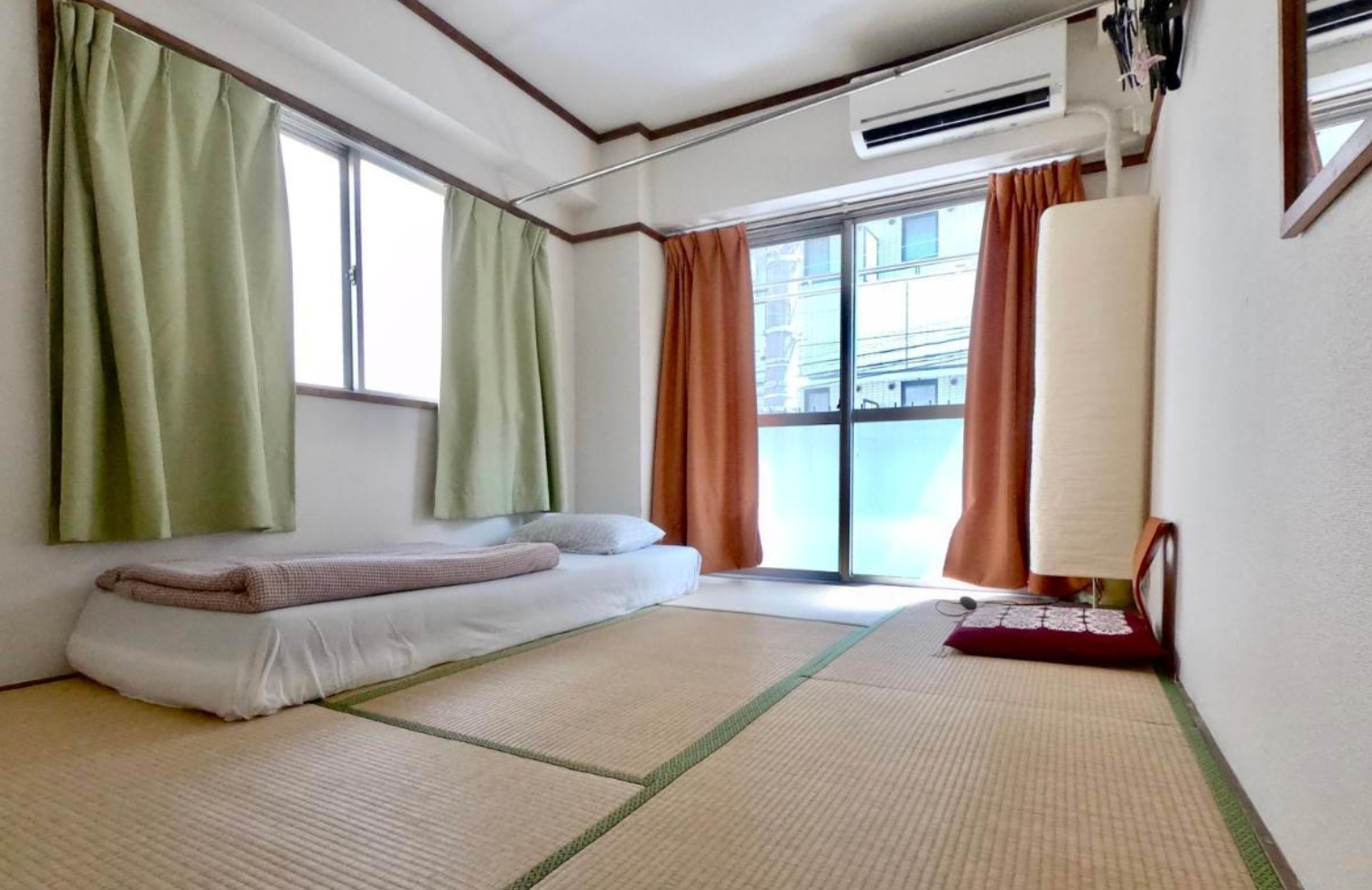
Buying a fridge, a bed, a washing machine, and a microwave in Japan is not only expensive—it is logistically challenging when you do not yet speak the language. Share houses come fully equipped with everything you need. All you need to bring is your suitcase. Utilities such as gas, water, electricity, and high-speed Wi-Fi are almost always bundled into a flat monthly fee, so there are no surprise bills in your mailbox.
Many of the newer share houses in Osaka have also started adding coworking spaces, soundproof "Zoom booths," and ergonomic desk setups—a direct response to the rise of remote work among international residents.
3. An Instant Community
Osaka is arguably the friendliest city in Japan, but it can still be surprisingly lonely if you live alone in a quiet residential neighborhood. In a share house, you have built-in housemates from day one. Many houses in Osaka specifically maintain a 50/50 ratio of Japanese to international residents, ensuring you have daily opportunities to practice Japanese, learn the local food spots, and make friends who will actually invite you to a weekend barbecue.
For professionals like Michael, this social network is not just nice to have—it is a career asset. Fellow residents often share job leads, recommend language schools, and introduce you to local business contacts that would take months to build on your own.
4. Flexibility and Mobility
Unlike traditional apartments that lock you into a 2-year lease, most share houses in Osaka offer month-to-month contracts or short minimum stays of just 1 to 3 months. Some operators even let you transfer between their properties for free. If you start in Namba and decide Umeda is closer to your office, you can move without paying a new deposit or breaking a contract. This flexibility is especially valuable for digital nomads and contract workers who may not know how long they will stay in Osaka.
The 7 Best Share House Operators in Osaka (2026)
Not all share houses are created equal. The operator you choose determines everything from the quality of your furniture to the vibe in the communal kitchen. Below, we have ranked the seven best operators currently active in Osaka, each suited to a different type of resident.
1. Borderless House—Best for Cultural Exchange
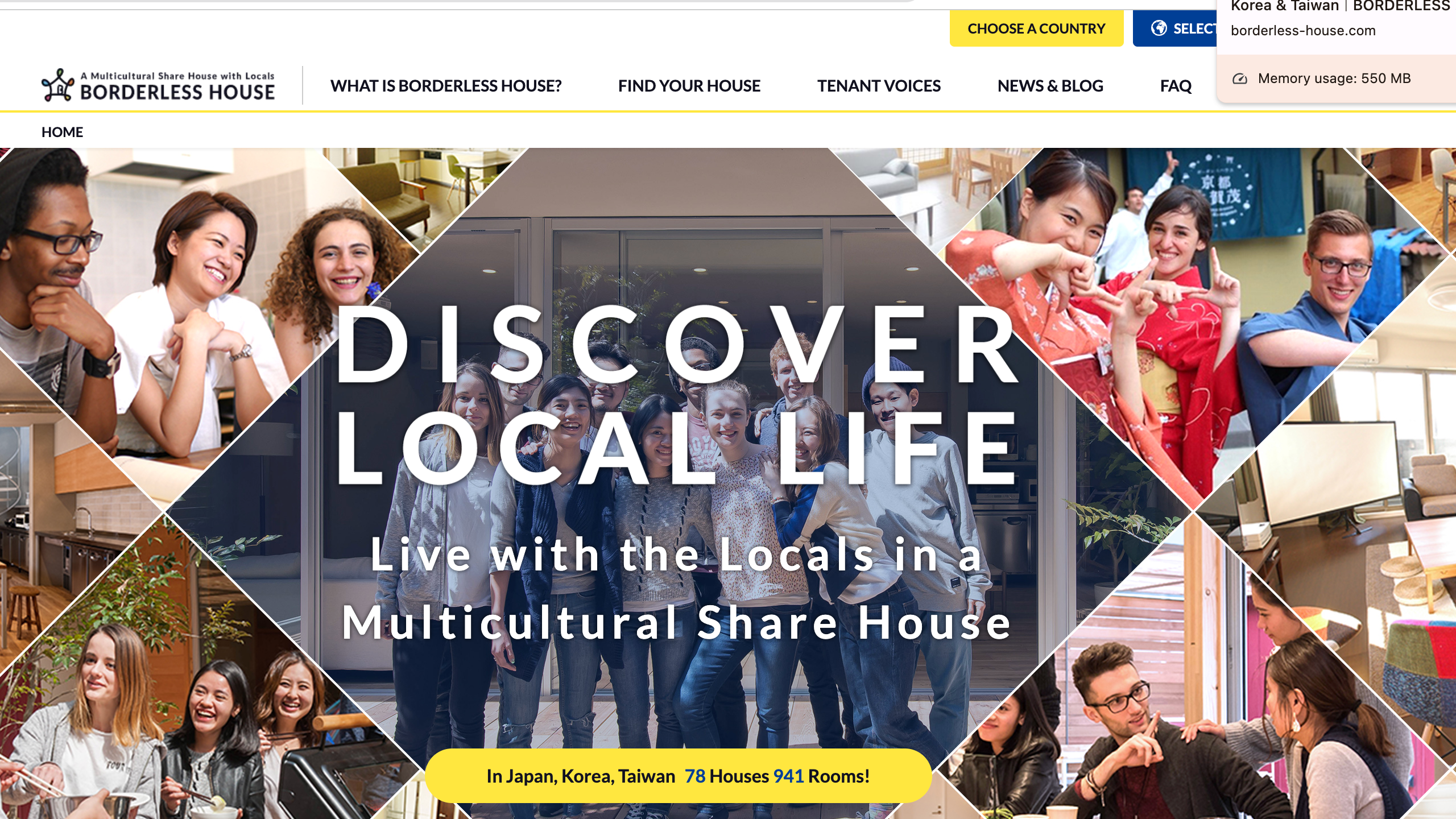
If your primary goal is to make Japanese friends and genuinely immerse yourself in local life, Borderless House is the operator to choose. They are famous for their strict 50/50 nationality ratio: half of the residents in every house are Japanese, and the other half are international. This is not a marketing gimmick—they actually enforce it by managing a waitlist for each nationality group.
The houses themselves are mid-sized (typically 8 to 15 residents) and located in residential neighborhoods rather than busy commercial areas. The atmosphere is warm and social: house dinners, weekend outings, and language exchange sessions happen naturally because of the resident mix. If you are the type who wants to come home to a lively kitchen conversation rather than a silent hallway, Borderless House is your best bet.
- Locations: Tsuruhashi, Bentencho, near Osaka University, and several Kobe properties.
- Price: ¥45,000–¥65,000 per month (utilities included).
- Initial Cost: Management fee of ¥30,000. No key money, no guarantor.
- Minimum Stay: 1 month.
- Best For: Social butterflies, language learners, and anyone who wants a genuine cultural exchange.
https://www.borderless-house.com/jp/
2. Oakhouse—Best for Facilities and Remote Workers
Oakhouse is one of the largest share house operators in Japan, with properties ranging from cozy 6-person houses to massive "Social Residences" that feel more like co-living campuses. What sets Oakhouse apart is the quality of their shared facilities: the larger properties feature gyms, cinema rooms, rooftop terraces, and dedicated coworking spaces with high-speed internet and standing desks.
For someone like Michael—a remote engineer who needs a reliable workspace—Oakhouse is the clear winner. You get a private room for sleeping and an office-grade environment downstairs for working, all without paying for a separate coworking membership. Their English-language website and online contracting process also make it easy to secure a room before you land in Japan.
- Locations: Multiple properties across Osaka, including Umeda North and The Residence Toyonaka (newly renovated, opened January 2026).
- Price: ¥50,000–¥85,000 per month (utilities included).
- Initial Cost: Management fee of ¥30,000. No key money, no guarantor.
- Minimum Stay: 1 month.
- Best For: Remote workers, professionals, and anyone who values top-tier facilities.
https://www.oakhouse.jp/eng/
3. Social Apartment—The Luxury Choice
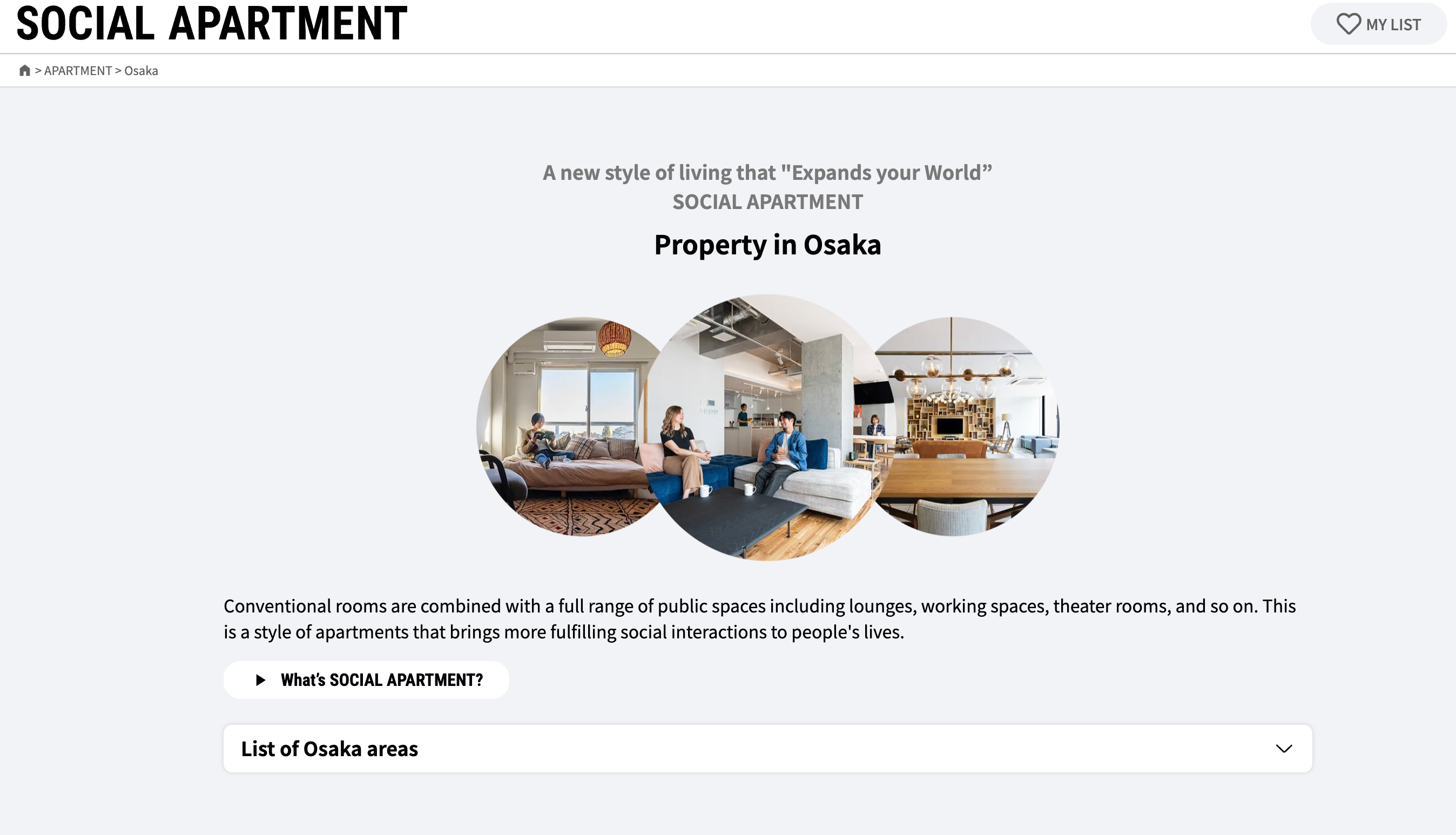
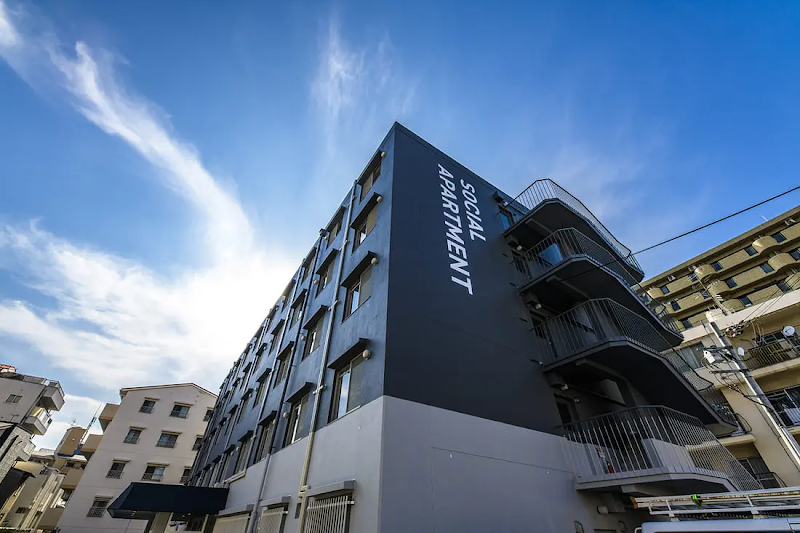
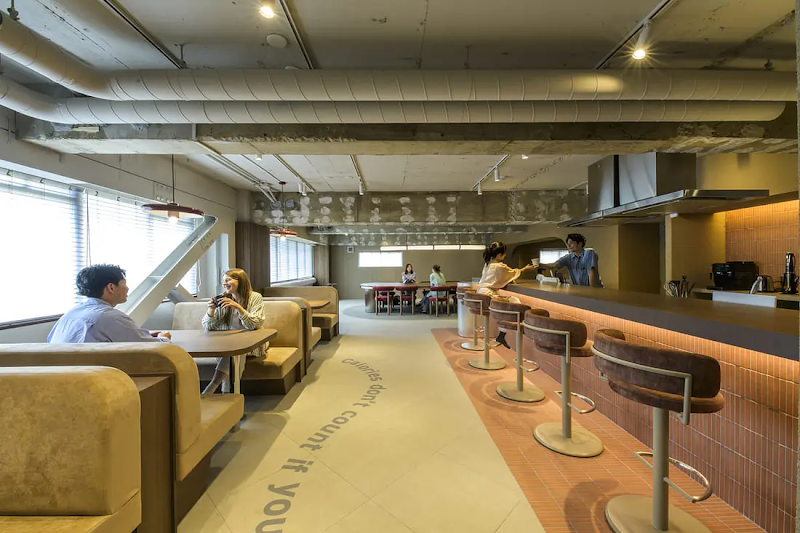
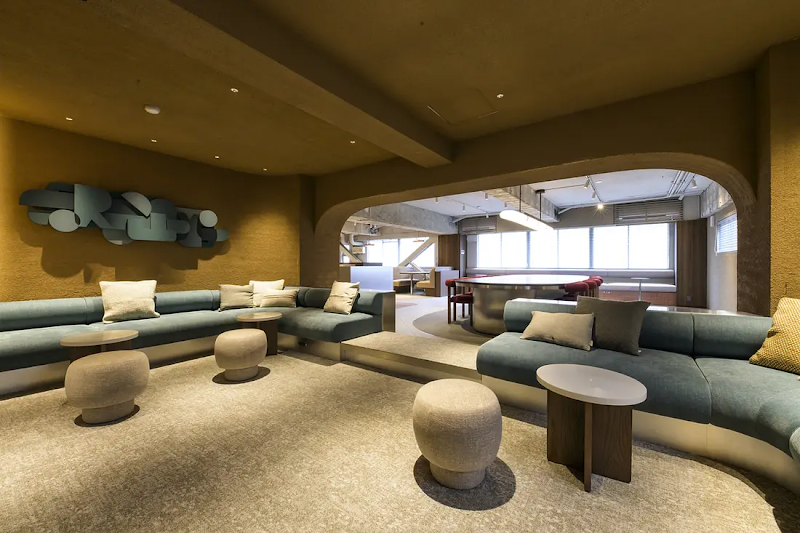
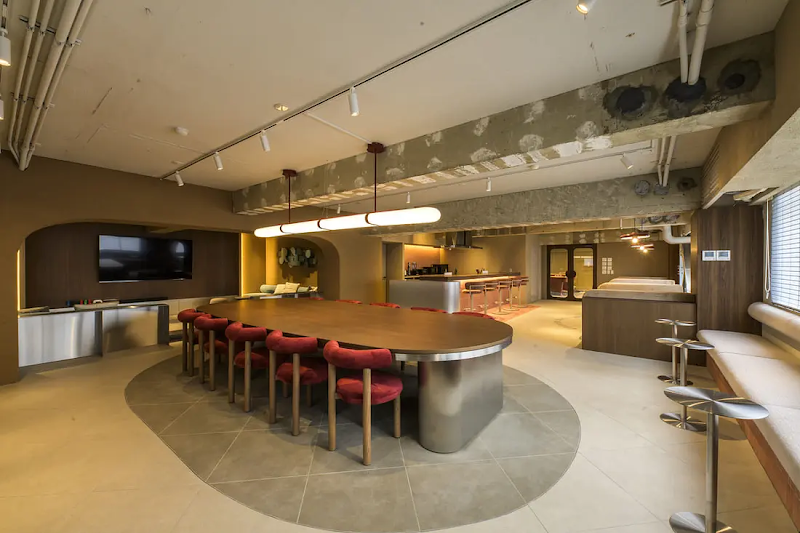
Social Apartment occupies the premium end of the share house spectrum. Think of it as a hybrid between a boutique hotel and a share house: you get a fully private room (often with your own bathroom and kitchenette), but you also have access to a massive, designer-furnished communal lounge and kitchen that most Tokyo apartments could only dream of.
The communal spaces at Social Apartment properties are genuinely impressive—we are talking about professional-grade kitchens, library corners with curated bookshelves, and lounge areas that look like they belong in an architecture magazine. The resident demographic skews slightly older and more professional, which means the atmosphere is mature and low-key rather than party-oriented. Professional housekeeping of common areas is included.
- Locations: Terminus (near Namba).
- Price: ¥70,000–¥110,000 per month.
- Initial Cost: Varies by property. No guarantor required.
- Minimum Stay: Typically 3 months.
- Best For: Professionals who want privacy without isolation, and anyone who appreciates high-end design.
https://www.social-apartment.com/eng
4. XROSS HOUSE—Best Budget Option
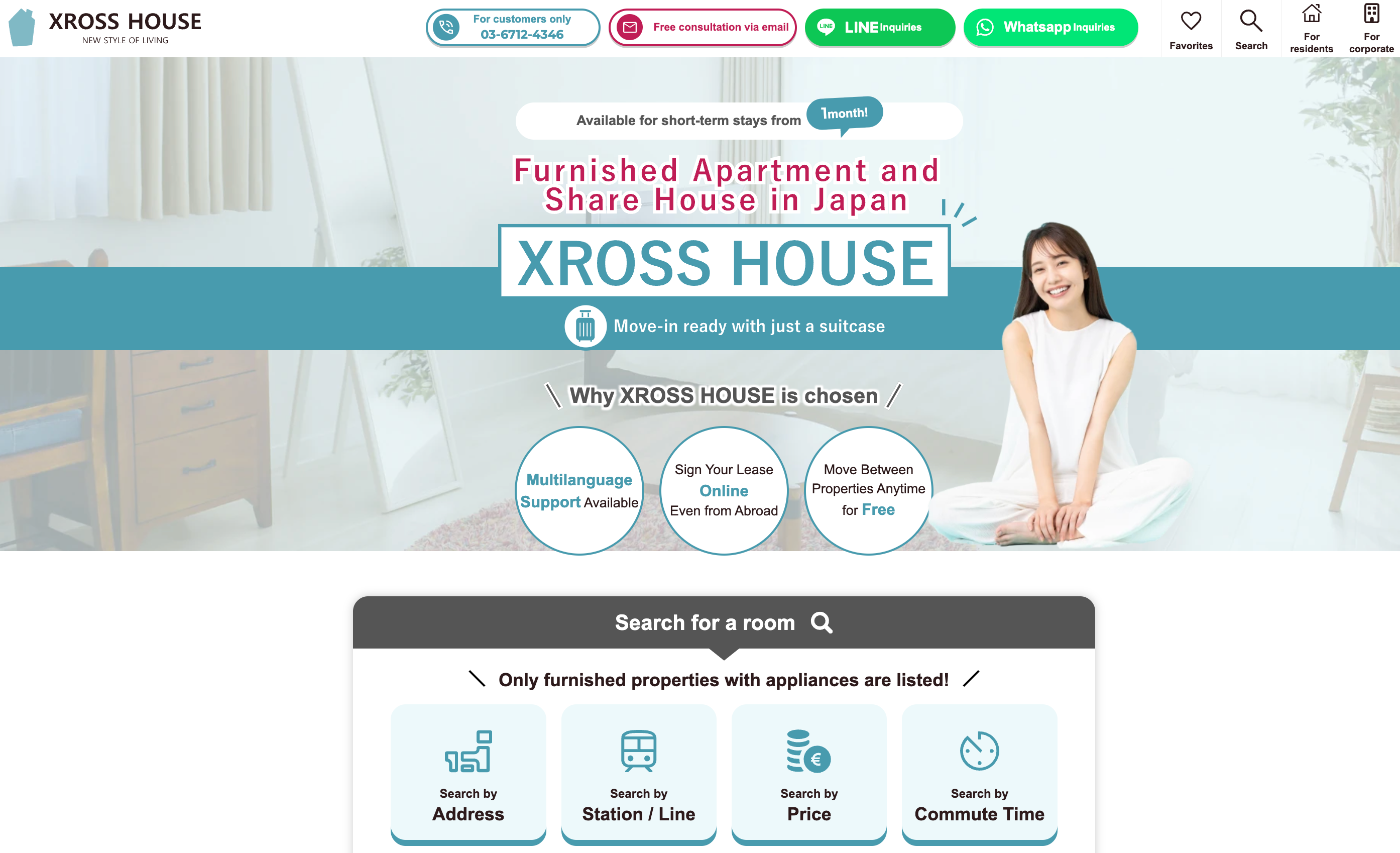
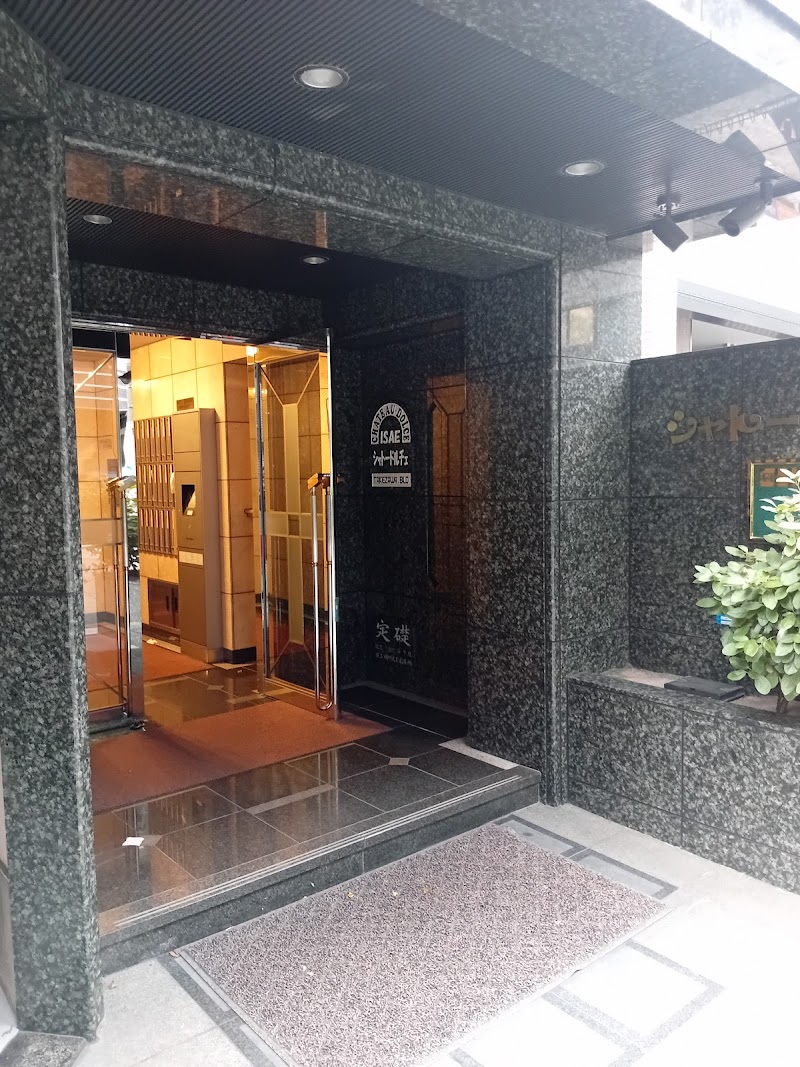

If keeping costs low is your top priority, XROSS HOUSE deserves serious consideration. They offer some of the cheapest share house rooms in Osaka, starting from just ¥24,800 per month—roughly the cost of a few nice dinners out. The initial costs are genuinely zero: no security deposit, no key money, and no agency fee.
What makes XROSS HOUSE particularly appealing for newcomers is their fully online contracting process. You can browse properties through 360-degree virtual tours, sign your contract via smartphone, and arrange your move-in date without ever visiting an office in person. They also offer free transfers between properties, which is useful if you want to test out different neighborhoods before committing.
The trade-off is that XROSS HOUSE properties tend to be more functional than stylish. Do not expect designer furniture or Instagram-worthy communal lounges. But if you need an affordable, fully furnished room in Osaka with zero bureaucratic hassle, this is the operator that delivers.
- Locations: Multiple properties across Osaka's major areas.
- Price: ¥24,800–¥50,000 per month.
- Initial Cost: ¥0 (no deposit, no key money, no agent fee).
- Minimum Stay: 1 month.
- Best For: Budget-conscious travelers, students, and anyone who wants zero upfront costs.
https://x-house.co.jp/en/osaka/
5. J&F House—Largest International Community in Osaka
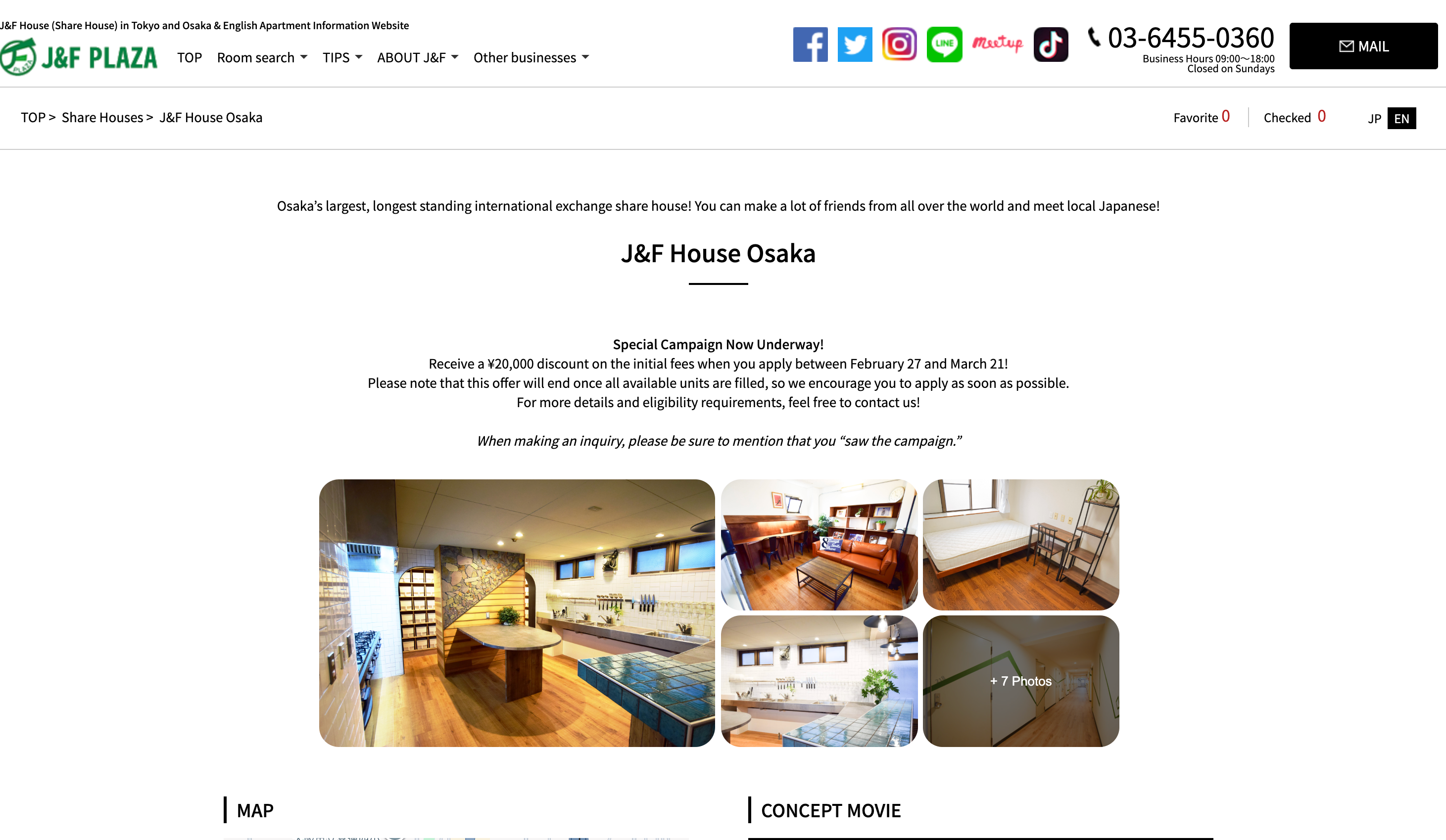
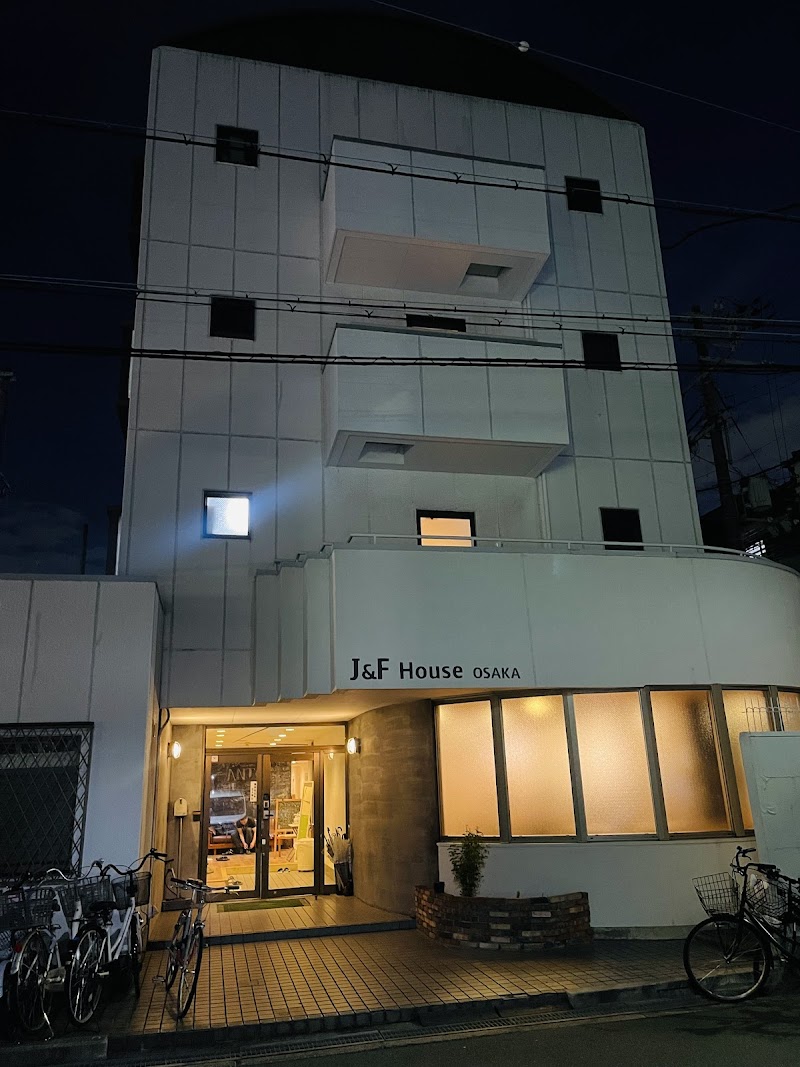
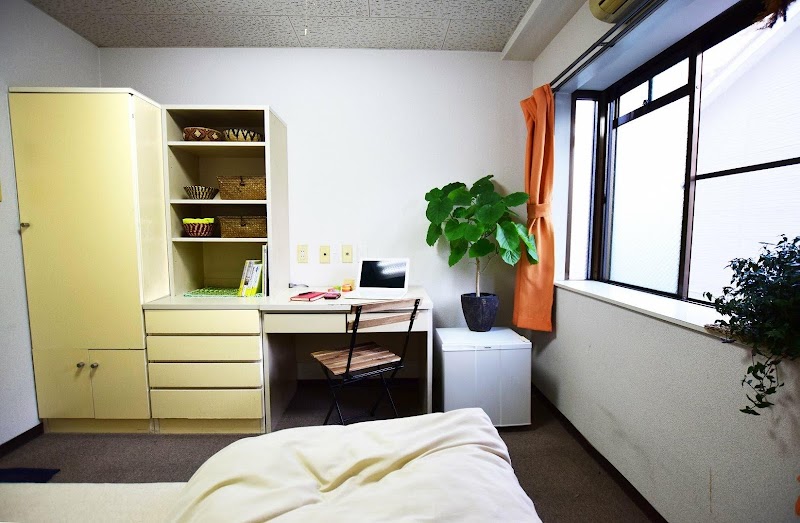
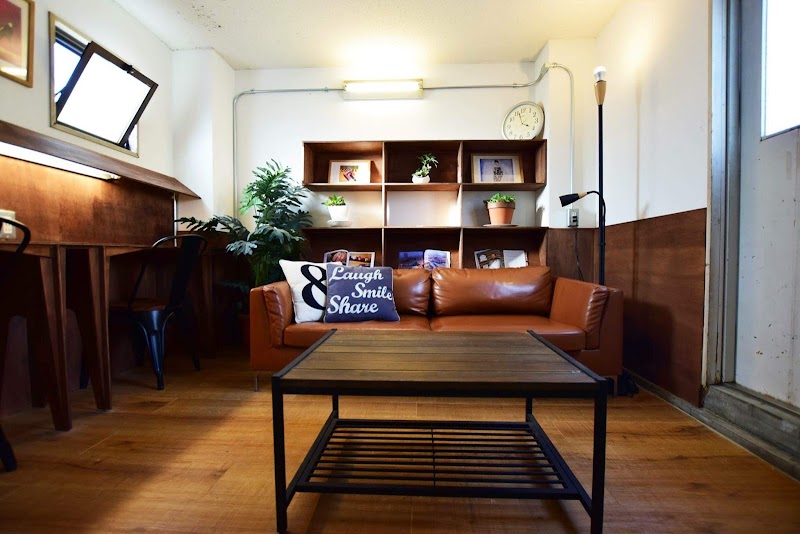
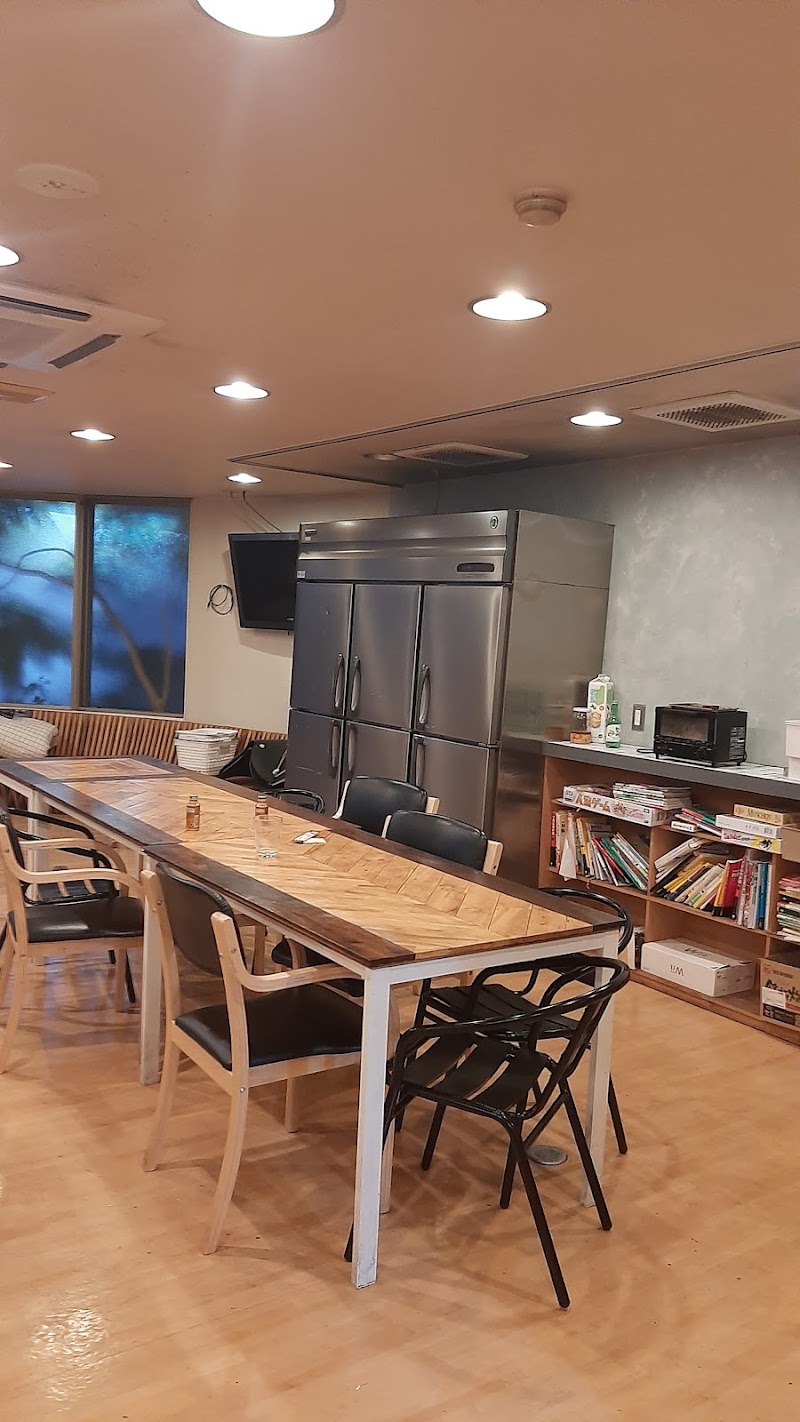
J&F House operates the single largest share house in the Osaka and Kansai region, with a flagship property boasting 91 rooms. If you want to live in a place that feels like an international village—where dozens of nationalities mingle in the common room every evening—J&F House is where you want to be.
Like Borderless House, J&F House maintains a deliberate balance of Japanese and international residents (roughly 50/50), but the sheer scale of their property means you will meet a much wider variety of people. The common living room doubles as a community hub where residents watch bilingual TV, share meals, and organize impromptu language exchange sessions. Each room comes equipped with a desk, chair, air conditioner, mini-fridge, closet, bed, and free internet.
The main property is located in a quiet residential area near Kireuriwari Station on the Tanimachi Line, which means you can reach Tennoji directly and get to Namba or Shinsaibashi in about 30 minutes. The surrounding area has convenience stores, supermarkets open until midnight, and Nagai Park nearby for weekend jogs.
- Locations: Kireuriwari (Tanimachi Line), plus a second property near Tsukamoto Station (JR Line).
- Price: ¥20,000–¥44,000 per month (plus fixed utility fee).
- Initial Cost: Deposit from ¥10,000. No key money, no agent fee, no guarantor.
- Minimum Stay: 1 month.
- Best For: Social residents who thrive in large communities, and budget-minded internationals.
https://jafplaza.com/share/?lang=en
6. C's share & The Maison—Kansai's Local Specialist
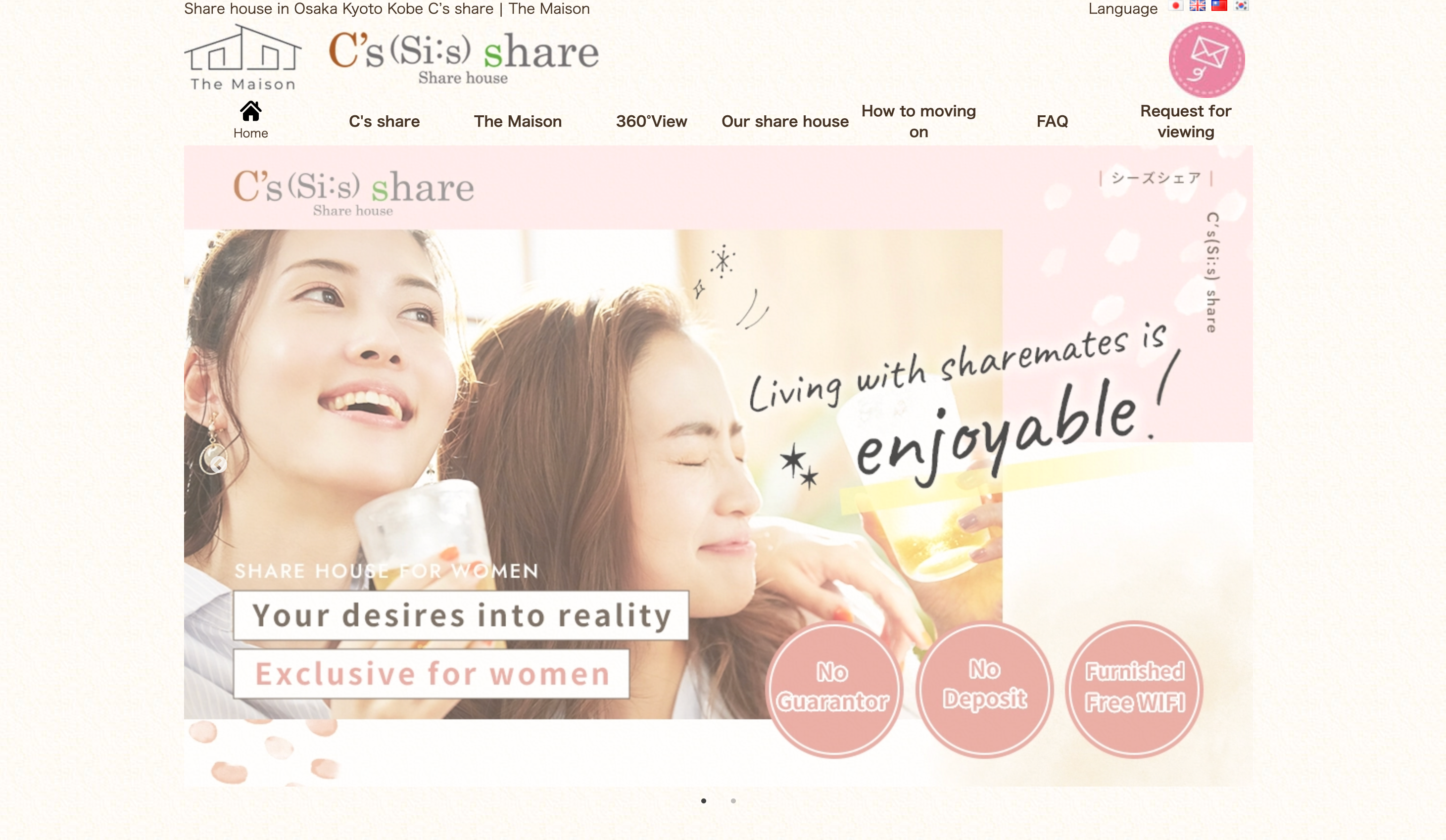
While most operators on this list are national chains, C's share and The Maison are homegrown Kansai brands that have been building share house communities in Osaka, Kobe, and Kyoto since 2011. This local expertise shows in their property locations: they know exactly which Osaka neighborhoods offer the best balance of convenience, safety, and character.
C's share is a women-only brand that emphasizes safety, cleanliness, and carefully designed living spaces. If you are a woman relocating to Osaka and feel more comfortable in a female-only environment, C's share is one of the very few operators that caters specifically to you—with private rooms that include their own bathrooms.
The Maison, their co-ed brand, focuses on larger-scale properties with multiple shared spaces designed to encourage community interaction while still giving you plenty of personal space. Both brands offer 360-degree virtual tours on their website.
- Locations: Umeda, Shin-Osaka, Tamatsukuri, Morinomiya, Namba, Kyobashi, and more.
- Price: ¥32,000–¥63,000 per month (most rooms ¥39,000–¥52,000).
- Initial Cost: No deposit/key money campaigns available. Standard deposit otherwise.
- Minimum Stay: 3 months.
- Best For: Women seeking female-only housing, and Kansai-focused residents who value local expertise.
https://sharehouse.jpn.com/en/
7. Your Home in Japan—Best for International Students
Your Home in Japan is a specialized accommodation platform that partners with DreamStudies, a study-abroad support organization. If you are coming to Osaka as a language school student or university exchange student, this operator offers a unique package that combines housing with career support and cross-cultural networking.
Their share houses follow the familiar model—private bedrooms with shared kitchens and common areas, a 50% Japanese resident ratio—but the added value lies in the ecosystem around it. Extended tenants can access free stays at partner locations in Korea, Taiwan, and other Japanese cities. The DreamStudies partnership also provides a ¥20,000 discount on the initial fee and access to career support services.
The rooms are compact (7 to 10 square meters for private rooms) and the properties house 6 to 30 residents, so the community feel varies by location. Shared rooms are available for those on tighter budgets.
- Locations: Multiple properties across Osaka, plus Tokyo, Kyoto, and Kobe.
- Price: ¥55,000–¥95,000 per month (utilities included). Shared rooms from ¥55,000.
- Initial Cost: ¥50,000 (reduced to ¥30,000 with DreamStudies code).
- Minimum Stay: Month-to-month with 30-day cancellation.
- Best For: International students, short-term study-abroad residents, and anyone who values a structured support system.
https://www.yourhomeinjapan.com/sharehouse
Recommended Neighborhoods for Share Houses
Choosing the right neighborhood matters almost as much as choosing the right operator. Osaka is a sprawling city with distinct pockets of personality, and where you live will shape your entire experience. Here are the five neighborhoods where international share houses are most concentrated—and what each one feels like to actually live in. For a deeper dive into each area, check out our full 32-osaka-neighborhoods-foreigners guide.
1. Tsuruhashi & Tennoji—The Heart of Downtown Osaka
This is the soul of Osaka. Tsuruhashi is home to the city's famous Koreatown, where narrow alleyways overflow with grilled meat, kimchi shops, and vintage clothing stalls. Tennoji, just one stop south, gives you direct access to Abeno Harukas (Japan's tallest building) and the green oasis of Tennoji Park. The JR Loop Line connects you to every major hub in the city, making this the most practical base for someone who does not yet know Osaka well. Several J&F House and Borderless House properties cluster in this area.
2. Fukushima & Umeda North—The Professional's Base
If you work in the Kita-ku business district, Fukushima is the sweet spot: close enough to walk to the office, quiet enough to sleep well at night. The neighborhood is packed with excellent restaurants (Fukushima has one of the highest concentrations of quality dining in Osaka) but feels genuinely residential once you step off the main street. Oakhouse has properties in this area, and the newly renovated Residence Toyonaka is an easy commute from here.
3. Nishi-ku (Horie & Shinmachi)—The Trendy Creative Quarter
Horie and Shinmachi are where Osaka's creative class lives. Think independent coffee roasters, concept stores, art galleries, and a Saturday morning farmers market along the canal. Share houses here tend to be smaller (6 to 10 residents), which means a tighter-knit community. The trade-off is slightly higher rents and less square footage per room. If you value aesthetics and walkability over raw space, this is your neighborhood.
4. Namba & Shinsaibashi—The Buzzing Center
This is Osaka at its loudest and most energetic. Dotonbori, Amerikamura, and the Shinsaibashi shopping arcade are all within walking distance. Social Apartment's Terminus property is located here, and several XROSS HOUSE properties dot the area. Living in Namba means you are never more than five minutes from a convenience store, a ramen shop, or a karaoke bar—but it also means the streets are busy at all hours. Best suited for residents who thrive on energy and do not mind trading quiet for convenience.
5. Shin-Osaka & Toyonaka—The Commuter-Friendly North
If you travel frequently for work—whether by Shinkansen or to Kansai International Airport—Shin-Osaka is hard to beat for pure logistics. The bullet train station is right there, and the Midosuji subway line gets you to Umeda in 5 minutes and Namba in 15. The surrounding neighborhoods are calm and residential, with larger rooms and lower rents than the city center. C's share and Oakhouse both have properties in this area.
How to Apply: The Step-by-Step Process
One of the biggest advantages of share houses over traditional Japanese apartments is how simple the application process is. In 2026, you can book most share houses in Osaka entirely online—often from another country, weeks before your flight lands.
Step 1: Browse and Shortlist. Start by visiting the websites of the operators listed above. Most offer detailed room photos, 360-degree virtual tours, and English-language property descriptions. Filter by your budget, preferred neighborhood, and move-in date. We recommend shortlisting 3 to 5 rooms across 2 to 3 operators.
Step 2: Send an Inquiry. Contact the operator through their website form or email. Ask about room availability, the current nationality ratio of the house (this matters if you want to practice Japanese), and any move-in campaigns or discounts. Most operators respond within 24 to 48 hours.
Step 3: Take a Virtual Tour. If you are not yet in Osaka, request a video tour via Zoom, Google Meet, or WhatsApp. The staff will walk you through the property in real time, showing you the actual room you will be renting—not just a model unit. This is standard practice in 2026, and operators are well-practiced at it. If you are already in Osaka, an in-person visit is even better.
Step 4: Submit Your Application. You will typically need to upload a photo of your Passport or Residence Card (Zairyu Card). Some operators also ask for proof of enrollment (for students) or a brief employment description (for professionals). There is no income verification or tax return requirement—another major advantage over traditional rentals.
Step 5: Sign the Contract and Pay. Most operators use digital contracts that you can sign on your phone or laptop. Payment is usually via credit card or international bank transfer. Expect to pay the management fee and first month's rent. The total is typically ¥50,000 to ¥100,000 depending on the operator—a fraction of what a traditional apartment would cost.
Step 6: Move In. On your move-in date, you will either meet the house manager in person or receive a smart lock code via email. Many houses now use keyless entry systems, so you can arrive at any time. Your room will be ready with a bed, desk, and all the essentials. Unpack your suitcase, walk down to the kitchen, and introduce yourself to your new housemates.
Common Rules and Etiquette
Living with others requires what the Japanese call kyochosei—a spirit of cooperation and mutual consideration. Every share house has its own specific house rules, but the unwritten expectations are fairly universal across Osaka. Understanding them before you move in will save you from awkward conversations with your housemates.
Cleaning and Kitchen Etiquette. Most share houses hire a professional cleaner for common areas once or twice a week, but you are responsible for your own dishes, your own garbage, and your own bathroom mess. The golden rule of any Japanese shared kitchen is simple: wash your dishes immediately after cooking. Leaving a pan in the sink overnight is one of the fastest ways to earn a reputation as "that housemate." Garbage separation in Osaka is strict (see our 49-garbage-collection-osaka guide), and your house manager will explain the schedule during move-in.
Noise and Quiet Hours. Common areas typically become quiet zones after 10:00 or 11:00 PM, depending on the house. This does not mean you cannot talk—it means you should keep conversations at a respectful volume and avoid anything that echoes through the hallways (music, video calls without headphones, enthusiastic cooking). Most houses allow you to use the lounge after hours, just at a whisper-level volume.
Guest Policies. This is one of the most common sources of confusion. Many traditional share houses do not allow overnight guests, and some do not allow visitors in the building at all. If having friends or a partner stay over is important to you, ask about the guest policy before you sign anything. Some operators—particularly Social Apartment and Oakhouse—offer "guest-friendly" properties where visitors are allowed in designated common areas or even in your room for a limited number of nights per month.
Shared Spaces and Personal Boundaries. In Japan, shared spaces are communal property—not an extension of your room. This means do not monopolize the couch, do not leave your laptop on the shared table all day, and do not rearrange the furniture without asking. At the same time, Japanese housemates tend to be polite to a fault: if something bothers them, they may not say it directly. Pay attention to small signals (a note on the fridge, a change in someone's tone) and address issues early.
Frequently Asked Questions
Is there a minimum stay? Most Osaka share houses require a 1-month minimum stay. However, some operators—particularly C's share and Social Apartment—require 3 months for their best rates. If you need maximum flexibility, XROSS HOUSE and Oakhouse both offer month-to-month contracts with short notice periods.
Is it safe? Yes. Major operators use smart locks, security cameras in common areas, and strict screening processes for all residents. Many also offer female-only floors or entire female-only properties (C's share specializes in this). In our experience, Japanese share houses are significantly safer than their equivalents in most Western countries, partly because of the screening process and partly because of Japan's already low crime rate.
Do I need to speak Japanese? Not to move in. Most share house staff speak functional English, and the contracting process is available in English with all major operators. That said, basic Japanese will dramatically improve your daily life in the house. Many of your Japanese housemates will be happy to practice English with you—and even happier if you try to practice Japanese with them.
Can I register my address (juuminyo) at a share house? Yes. Share houses are legitimate residential addresses in Japan, and you can register your address at the local ward office (kuyakusho). This is important because address registration is required for everything from opening a bank account to signing up for national health insurance. Ask your house manager to confirm the exact address format before you visit the ward office.
Can I use a share house address for my visa? In most cases, yes. Share house addresses are accepted as proof of residence for visa applications and renewals. However, some immigration officers may ask additional questions if your address is listed as a share house. Having your contract and a letter from the operator confirming your residency can smooth the process.
What happens if I have a problem with a housemate? Contact your house manager. One of the advantages of renting through a professional operator (rather than a private landlord) is that there is always a third party to mediate disputes. Most operators have clear escalation procedures and will intervene if a resident is violating house rules.
Final Thoughts: Your Gateway to Osaka
For Michael—and for anyone making the leap to a new life in Osaka—a share house is more than just a room with a reasonable price tag. It is a social foundation. It is where you will find your first "drinking buddies," the housemate who explains how the garbage separation system actually works (see 49-garbage-collection-osaka), and a group of friends who will drag you to the best takoyaki stand in Shinsekai at midnight.
The practical advantages are clear: lower costs, zero paperwork headaches, and a fully furnished room waiting for you on arrival. But the real value of a share house is harder to quantify. It is the Japanese housemate who teaches you how to read your gas bill. It is the fellow expat who warns you about the noise rules before you learn the hard way. It is the sense of belonging in a city that could otherwise feel overwhelming for the first few months.
If you value flexibility, community, and a genuine connection to the city you are living in, skip the private rental and choose an Osaka share house in 2026. Start with the operators in this guide, shortlist 3 to 5 rooms, and send your first inquiry today.
Your first kanpai in the communal kitchen is waiting.
For more essential guides to setting up your life in Osaka, explore our full library at 15-life-basics-osaka.