The global tech landscape is fundamentally shifting, and nowhere is this more visible than in Japan's second city. While Tokyo has historically dominated as the country's "Big Tech" center, Osaka is rapidly emerging as a genuinely compelling alternative for international engineers. The city's transformation is not merely aspirational—it is backed by tangible infrastructure investment, government incentives for tech talent, and a growing ecosystem of startups that are choosing Kansai over the capital precisely because of its unique advantages.
If you are a software engineer, considering a move to Osaka in 2026 is no longer a compromise. It is a strategic career decision. The cost of living is significantly lower than Tokyo—a modern one-bedroom apartment in the desirable Horie or Kitahama neighborhoods runs ¥70,000 to ¥90,000 per month, compared to ¥120,000 to ¥160,000 for equivalent accommodations in Shibuya or Minato-ku. Meanwhile the tech-sector salary gap between the two cities has narrowed, with senior engineering roles in Osaka commonly advertised in the ¥8,000,000 to ¥15,000,000 range. Factor in the lower cost of living, and many engineers find their disposable income is actually higher in Osaka.
Osaka's tech resurgence is fueled by several converging forces. The infrastructure investment surrounding the 2025 World Expo on Yumeshima island drew international attention to the region. The city itself actively backs the startup scene through the Osaka Innovation Hub, a municipal program that runs accelerators, pitch events, and the annual Hack Osaka conference. And the long-standing presence of industrial giants like Panasonic, Keyence, and Sharp has created a deep well of engineering talent and institutional knowledge that newer tech companies can draw from. The result is an ecosystem where "Old Guard" manufacturing precision meets "New Guard" agile development, producing a tech scene that is distinctly different from—and in many ways more interesting than—what you will find in Tokyo.
In this guide, we will map the Osaka IT ecosystem in detail. We will identify the specific innovation zones where tech companies cluster, profile the top employers hiring international talent, break down the technical stacks that command the highest salaries, and provide practical advice for navigating the cultural dynamics of working as a foreign engineer in Kansai.
The 2026 Osaka Tech Map: Three Zones of Innovation
One of the most distinctive features of the Osaka tech scene is its geographic organization into three clearly defined clusters, each with its own industry focus, culture, and energy. Choosing where to base yourself is as important as choosing which company to join, because the neighborhood shapes the networking opportunities, the types of companies you encounter, and even the daily rhythm of your working life.
1. The "Umeda Innovation" Zone (Kita-ku)
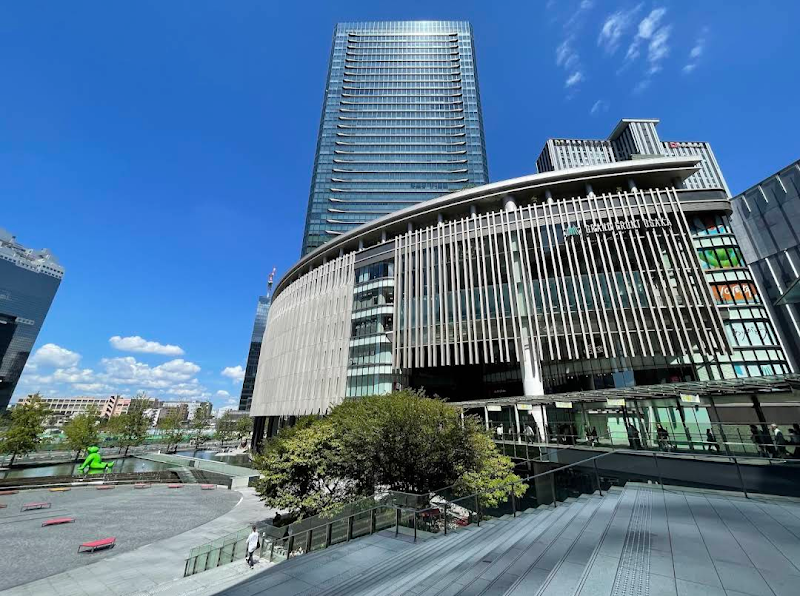
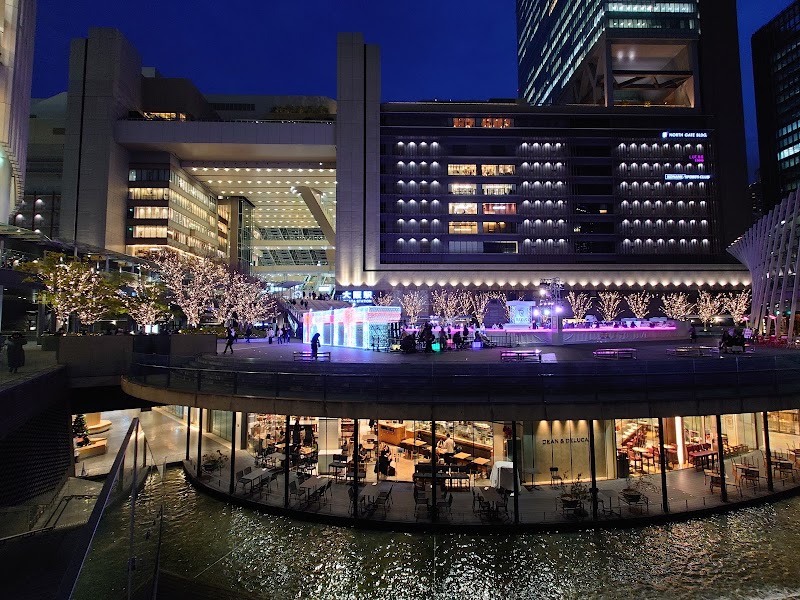
The northern hub of Osaka is the city's corporate technology center—a district of soaring glass towers, underground shopping corridors, and the concentrated energy of enterprise tech. This is where you will find the headquarters and major regional offices of companies working on large-scale B2B solutions, financial technology, and artificial intelligence research.
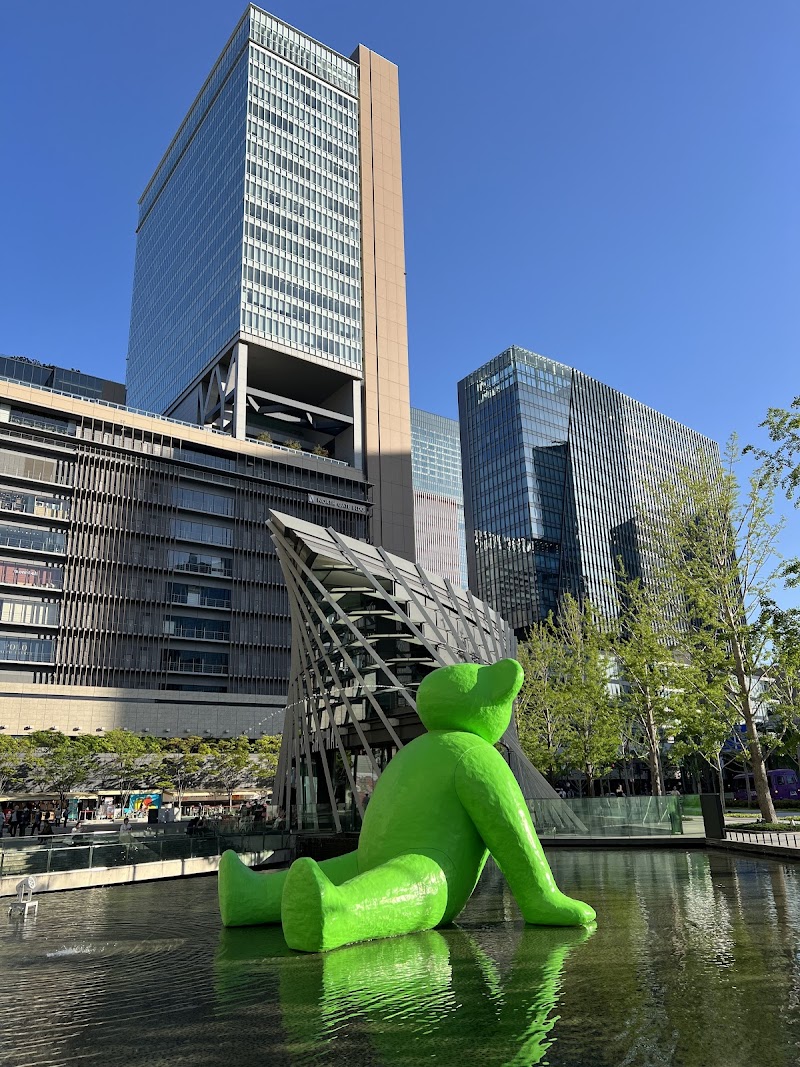
The physical anchor of this zone is Grand Front Osaka, a mixed-use complex that houses the Osaka Innovation Hub (OIH), a city-backed incubator and event space that hosts regular meetups, hackathons, and startup pitch nights. For an engineer arriving in Osaka with few connections, attending OIH events is one of the fastest ways to build a professional network. The Umeda zone is also home to the Osaka offices of Rakuten, LY Corporation (the LINE Yahoo merger), and several major Japanese banks' digital transformation divisions. The companies here tend to be larger, with structured career paths, comprehensive benefits packages, and formal engineering processes. If you prefer stability and are interested in FinTech, enterprise SaaS, or big data analytics, Umeda is your zone.

2. The "Namba Creative" Zone (Chuo-ku)
The southern hub is where creativity, gaming, and consumer technology collide. The energy here is distinctly different from Umeda—more artistic, more experimental, and more international in its outlook. This is the spiritual home of some of Japan's most iconic gaming companies and a growing cluster of independent studios working on everything from mobile games to VR experiences.
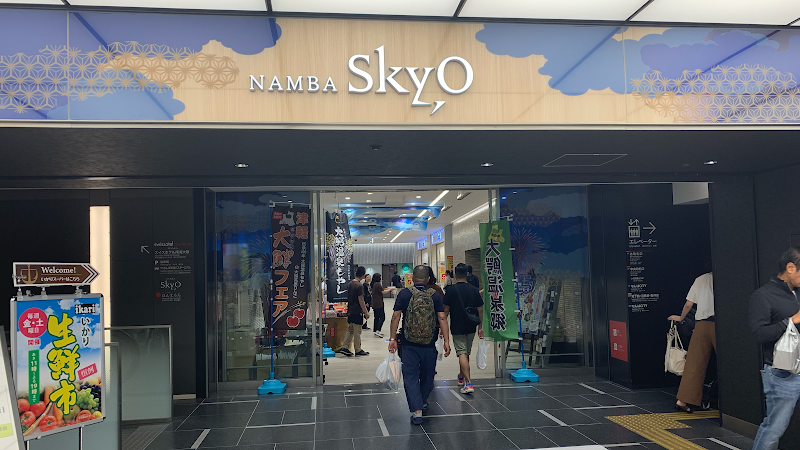
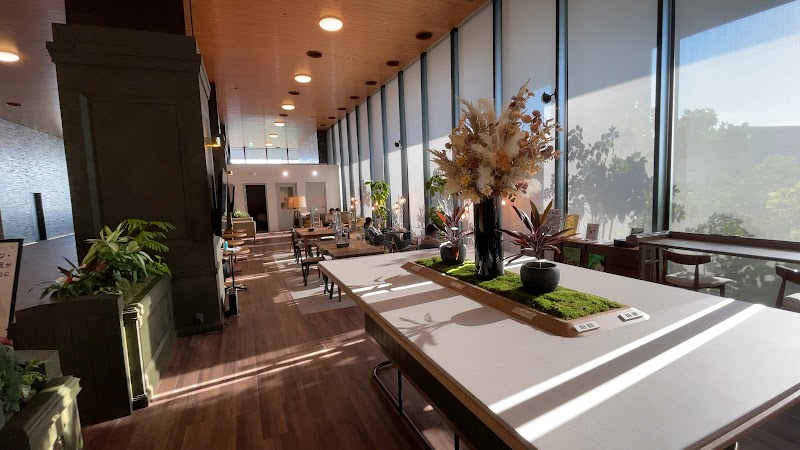
Namba SkyO has emerged as the neighborhood's coworking and startup hub, attracting a mix of game developers, UI/UX designers, and e-commerce entrepreneurs. The district's proximity to the cultural energy of Dotonbori and Amerikamura gives it a creative vibrancy that appeals to engineers who want their work environment to feel less corporate. The giant of this zone is Capcom, the creator of Resident Evil, Monster Hunter, and Street Fighter, whose global development headquarters sits in central Osaka. Several smaller but highly respected studios, including PlatinumGames (creators of Bayonetta and NieR: Automata), operate in the broader Kansai region. If your passion is game development, interactive media, or consumer-facing digital products, the Namba zone will feel like home.
3. The "Industrial IoT" Corridor (Northern and Eastern Suburbs)
Osaka's heritage is heavy manufacturing, and in 2026, the digitization of this legacy is creating some of the most fascinating—and highest-paying—engineering roles in Japan. The "Smart Factory" movement is transforming how products are designed, manufactured, and distributed, and international engineers with experience in embedded systems, robotics, and industrial IoT are in exceptionally high demand.
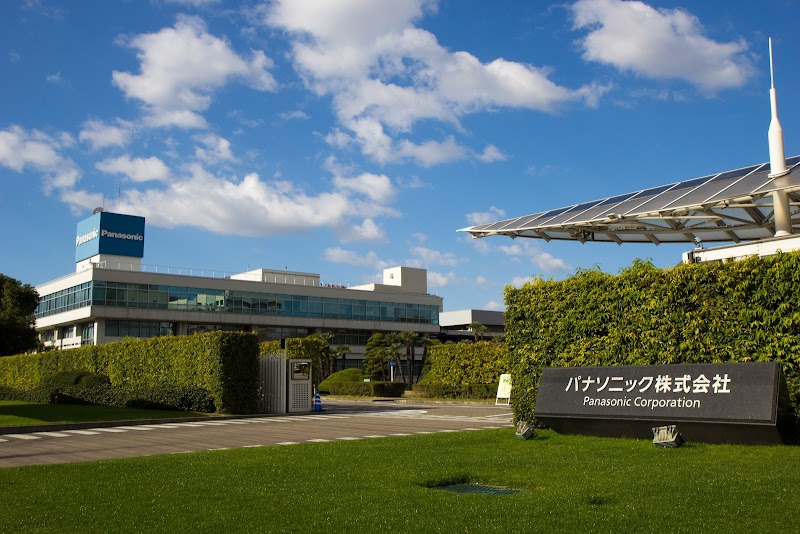
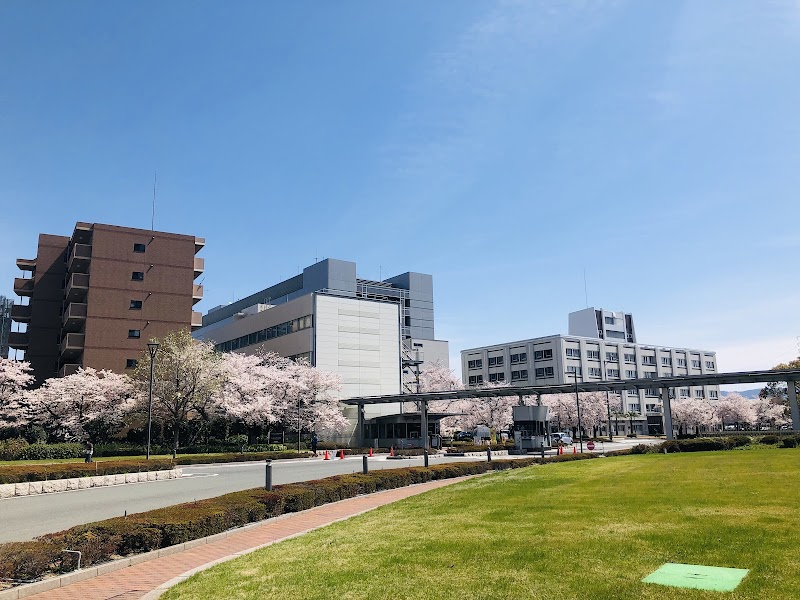
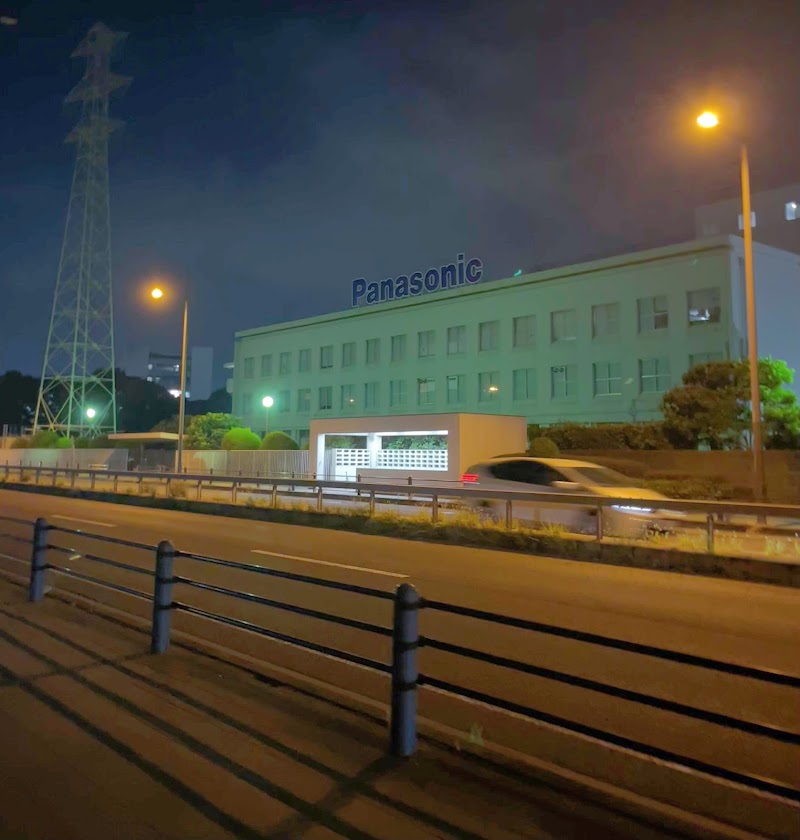
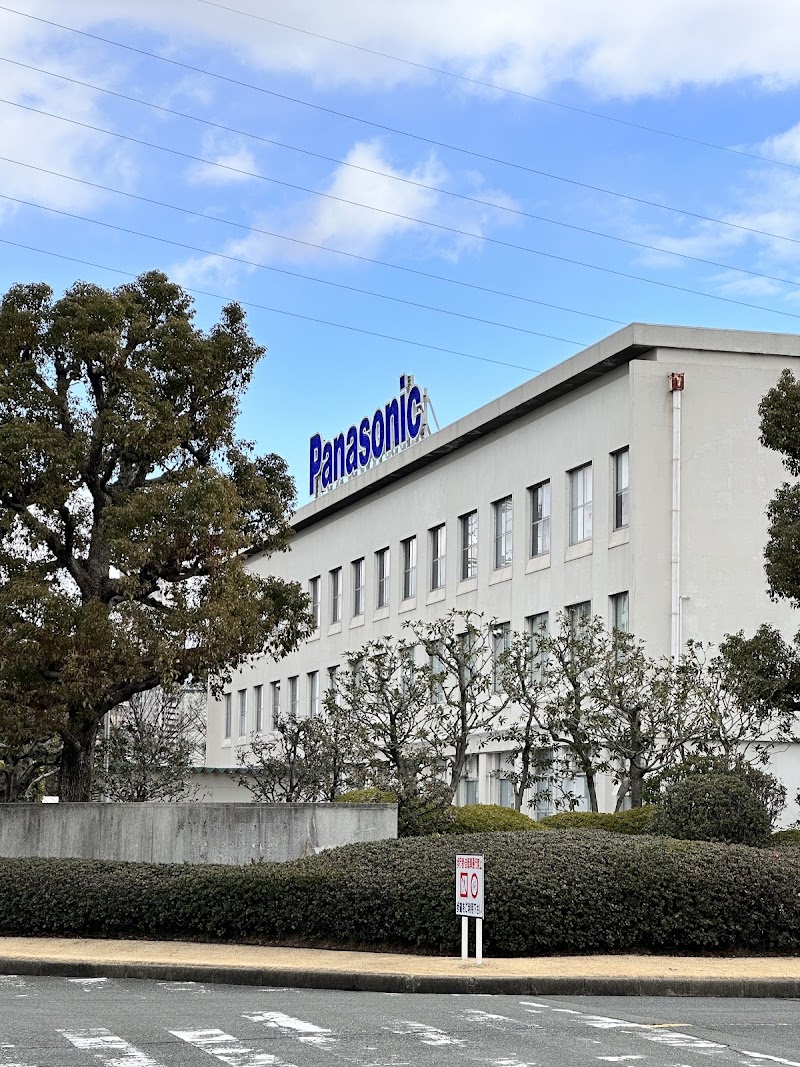
This zone extends across the northern and eastern suburbs: Panasonic maintains its sprawling campus in Kadoma, Keyence operates from Shin-Osaka, and Daikin (the world's largest air conditioning manufacturer) is headquartered in Umeda but runs its primary R&D facilities in the suburbs. Unlike the downtown zones, work here often involves physical products—sensor networks, robotic assembly lines, predictive maintenance algorithms—which gives the engineering work a tangible, hands-on quality that many software-only engineers find refreshing. The commute from central Osaka to these suburban campuses is typically 20 to 40 minutes by train.
Top IT Companies Hiring Foreigners in 2026
The Osaka tech market includes both global corporations and rapidly growing startups, many of which are actively recruiting international talent. Here are the companies that consistently appear at the top of foreigner-friendly employer rankings.
1. Keyence (キーエンス) — The High-Salary Machine
Keyence is a global leader in sensors, machine vision systems, and factory automation technology. Headquartered near Shin-Osaka Station, the company is famous for reporting one of the highest average employee salaries in all of Japan—and that reputation is not limited to executives. Senior engineers in specialized roles are widely reported to earn well into the eight figures in yen, on a par with Big Tech compensation in the United States once Japan's lower cost of living is factored in. The engineering culture at Keyence is intensely logical and efficiency-driven. There is minimal corporate politics; what matters is whether your code solves a real-world problem. The company's interview process is rigorous and technical, but for engineers who clear the bar, the rewards are exceptional.
2. Capcom (カプコン) — The Creative Giant
The creator of some of the world's most beloved gaming franchises is headquartered in central Osaka, and the company's "Global Development" teams operate with English as a primary working language. For a game developer or engine programmer, Capcom offers the rare combination of working on AAA titles with global audiences while living in a city that is far more affordable and culturally rich than the typical game industry hubs of Tokyo, San Francisco, or London. The company has invested heavily in its RE Engine technology and is continuously hiring graphics programmers, network engineers, and AI specialists.
3. Rakuten (Osaka Branch)
While Rakuten is headquartered in Tokyo, its Osaka office is a major hub for e-commerce platform development, logistics technology, and mobile payment systems. Rakuten's company-wide policy of using English as the official business language ("Englishnization") makes it one of the most accessible entry points for foreign engineers who are still developing their Japanese language skills. The Osaka office employs several hundred engineers and offers the full range of benefits associated with a major tech company, including stock options, housing assistance, and relocation support.
4. Startups and Scale-ups
Beyond the established giants, Osaka's startup ecosystem has matured significantly in recent years. A growing number of logistics, AI, and FinTech ventures—many clustered around the Kitahama financial district and the Osaka Innovation Hub—are offering competitive packages to attract international talent. These smaller companies often offer equity participation that larger firms do not, and the smaller team sizes mean you will have a direct impact on product direction. Finding them requires active networking: attending OIH and Hack Osaka events, plugging into the local developer meetup and Slack communities, and monitoring platforms like Wantedly, Green Japan, and TokyoDev (which, despite its name, lists many Kansai positions).
Technical Stacks in High Demand for 2026
The Osaka tech market has distinct preferences that reflect its mix of manufacturing heritage and modern digital development. Understanding which skills are in highest demand can help you position yourself for maximum earning potential.
Backend Development: Rust and Go (Golang) have emerged as the "Golden Languages" of 2026 in Osaka's FinTech and infrastructure sectors. Rust's memory safety guarantees make it ideal for the financial systems being built in the Kitahama district, while Go's concurrency model is favored by e-commerce platforms handling high traffic volumes. Java remains dominant in legacy enterprise systems, but new projects increasingly default to Go or Kotlin.
Frontend Development: React with Next.js is the standard stack for SaaS companies in the Umeda zone. TypeScript adoption is nearly universal in Osaka's startup scene, and experience with server-side rendering and edge computing patterns (particularly with Cloudflare Workers, which is popular among Osaka startups) is a strong differentiator. Vue.js maintains a presence in some Japanese enterprise contexts.
Cloud and DevOps: AWS is the dominant cloud provider in Kansai, with most companies running their infrastructure on EC2, ECS, or Lambda. Google Cloud Platform is the second choice, particularly for companies working with machine learning (BigQuery and Vertex AI). Kubernetes expertise is in high demand, as many Osaka companies are in the process of migrating from traditional server deployments to containerized architectures. Terraform and GitHub Actions are the standard infrastructure-as-code and CI/CD tools.
Embedded Systems and Robotics: For engineers interested in the Industrial IoT corridor, C++ remains the lingua franca for embedded firmware, while Python is used extensively for prototyping, data analysis, and machine learning model training. ROS 2 (Robot Operating System) experience is particularly valuable for robotics companies and manufacturing automation projects.
Salary Benchmarks for IT Professionals in Osaka (2026)
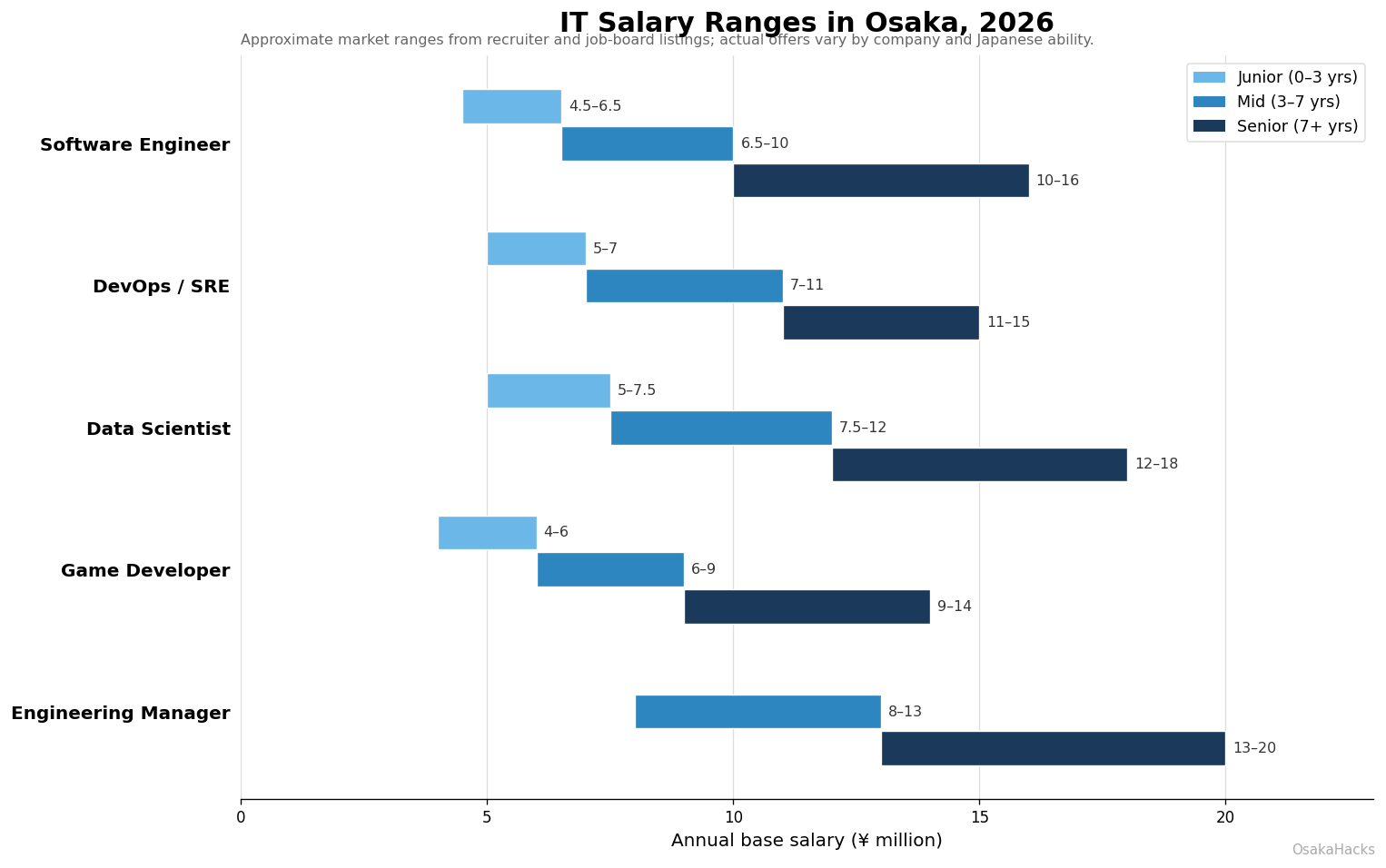
Understanding realistic salary expectations is essential for negotiation. The figures below are approximate market ranges drawn from recruiter listings and job-board postings; actual offers vary widely by company, specialization, and your Japanese ability.
- Software Engineer — Junior (0–3 yrs): ¥4.5M–¥6.5M; Mid (3–7 yrs): ¥6.5M–¥10M; Senior (7+ yrs): ¥10M–¥16M
- DevOps / SRE — Junior: ¥5M–¥7M; Mid: ¥7M–¥11M; Senior: ¥11M–¥15M
- Data Scientist — Junior: ¥5M–¥7.5M; Mid: ¥7.5M–¥12M; Senior: ¥12M–¥18M
- Game Developer — Junior: ¥4M–¥6M; Mid: ¥6M–¥9M; Senior: ¥9M–¥14M
- Engineering Manager — Mid: ¥8M–¥13M; Senior: ¥13M–¥20M
These figures represent base salary and do not include bonuses, which typically add 2 to 6 months of additional pay at larger companies. Equity compensation is uncommon at traditional Japanese firms but increasingly offered by startups. Knowing how to read an offer and counter it—the subject of our salary negotiation playbook for Japan—often matters more to your take-home than the headline range.
The Visa Landscape for IT Professionals
For most international engineers, the relevant visa category is the Engineer / Specialist in Humanities / International Services visa, which covers IT professionals, software engineers, and technical specialists. The basic requirements include a bachelor's degree (or 10 years of documented professional experience) and a contract with a Japan-registered employer who will serve as your visa sponsor.
Engineers with specialized skills in AI, cybersecurity, or data science may also qualify for the Highly Skilled Professional (HSP) visa, a points-based status that weighs salary, academic background, professional experience, and age. According to the Immigration Services Agency of Japan, high scorers can access a longer period of stay and an accelerated route to permanent residency. Because the point thresholds and benefits are updated periodically, confirm the current criteria against the official guidance before you rely on them—the broader picture is laid out in our guide to working in Osaka as a foreigner.
Engineering Culture in Osaka: What to Expect
Working as an engineer in Osaka comes with cultural dynamics that differ not only from Western workplaces but also from the Tokyo tech scene. Understanding these nuances will help you integrate more quickly and avoid common frustrations.
The "Hou-Ren-Sou" Framework: Japanese engineering teams operate on a communication rhythm called Hou-Ren-Sou (報連相), which stands for Report (報告), Contact (連絡), and Consult (相談). In practice, this means your manager expects frequent, small status updates rather than occasional comprehensive reports. In Osaka specifically, this communication tends to be more casual and direct than in Tokyo—you might deliver your update during a quick chat at the coffee machine rather than in a formal written report. Embracing this rhythm early signals that you understand and respect the team's working style.
Overtime and Work-Life Balance: The Japanese tech industry has made significant progress in reducing the "overtime culture" that once defined corporate Japan. In 2026, most reputable tech companies in Osaka actively encourage work-life balance, with average weekly hours for engineers hovering around 40 to 45. Startups may have occasional crunch periods around product launches, but the days of systematic 60-hour weeks are largely behind the industry. Many companies now offer flexible working arrangements, including remote work options two to three days per week—a practice that accelerated during the pandemic and has become a permanent expectation for engineering roles.
The Osaka Advantage: Directness and Humor: One of the most frequently cited advantages of working in Osaka versus Tokyo is the interpersonal culture. Osaka professionals are known for being more direct, more humorous, and less bound by rigid hierarchical formalities. In meetings, it is common for junior engineers to voice their opinions more freely than they would at a Tokyo firm. The local communication style values efficiency and sincerity—if a project timeline is unrealistic, your Osaka colleagues are more likely to say so directly rather than through subtle hints. For foreign engineers accustomed to Western-style communication, this directness makes the Osaka workplace significantly easier to navigate.
Networking and Community: The Osaka tech community is small enough that individual engineers become known quickly. Regular meetups and events at the Osaka Innovation Hub, tech-focused izakaya gatherings in Umeda, and online communities on Slack and Discord create a web of connections that can accelerate your career. Many engineers report that the networking advantage of Osaka's smaller community—where you can realistically know most of the key players within your specialty—more than compensates for the larger number of job postings in Tokyo.
FAQ: IT Career Questions
Do I need a Computer Science degree to work as an engineer in Japan? A CS degree is the most straightforward path for visa qualification. Without one, you will need to document at least 10 years of professional IT experience. Some companies and visa lawyers have successfully argued that related degrees (mathematics, physics, engineering) combined with professional certifications satisfy the requirement, but this approach adds complexity to your application.
Are there truly English-only engineering roles in Osaka? Yes, approximately 30 to 40 percent of engineering positions at international firms and startups in Osaka do not require business-level Japanese. However, your long-term career ceiling will be significantly higher if you develop at least JLPT N3 proficiency, which allows you to participate in cross-team meetings and read internal documentation. Building from there into senior and lead roles is the focus of our career advancement guide for Japan.
How does the Osaka tech scene compare to Tokyo? Tokyo has more total positions and a larger concentration of foreign tech companies (Google, Amazon, Microsoft). Osaka offers a tighter-knit community where it is easier to build relationships, lower living costs that translate to higher real income, and a growing ecosystem with less competition for roles. Many engineers describe the Osaka scene as "Tokyo five years ago"—still early enough to be a pioneer, but mature enough to offer real opportunities.
What is the interview process like for Japanese tech companies? Most companies conduct three to four rounds: an initial HR screening, one or two technical interviews (coding challenges, system design discussions), and a final culture-fit interview. Startups tend to move faster (two to three weeks total), while larger companies may take four to six weeks. Technical interviews increasingly follow Western patterns—LeetCode-style problems, whiteboard architecture discussions—but some traditional Japanese companies still emphasize process knowledge and team collaboration over raw algorithmic ability.
Should I use a recruiter or apply directly? Both approaches have merit. Specialized tech recruiters like Robert Walters, Hays Japan, and Japan Dev have deep relationships with Osaka employers and can negotiate on your behalf. Direct applications through platforms like Wantedly, Green, and LinkedIn give you more control and avoid recruiter fees that can affect salary negotiations. The optimal strategy is to use both channels simultaneously.
Job Search Platforms and Strategies for Osaka
Finding the right IT position in Osaka requires a multi-channel approach that combines online platforms, specialized recruiters, and community networking. The Japanese job market operates differently from Western markets, and understanding these differences will give you a significant advantage.
Specialized Tech Platforms: Wantedly is the dominant platform for startup and tech company recruitment in Japan, emphasizing company culture and team fit alongside technical requirements. Green Japan focuses specifically on IT and creative industry positions, with detailed company profiles and transparent salary ranges. TokyoDev and JapanDev maintain curated listings of engineering positions that welcome foreign applicants, with many Kansai-region roles included despite the Tokyo-centric naming. LinkedIn has grown significantly in Japan's tech sector and is particularly effective for connecting with international hiring managers.
Recruiter Partnerships: Building relationships with two or three specialized tech recruiters can unlock positions that are never publicly advertised. Robert Walters Japan, Hays Technology, and Michael Page all maintain dedicated IT divisions with deep knowledge of the Osaka market. These recruiters handle visa sponsorship coordination, salary negotiation, and cultural onboarding support. The key is to be specific about your technical skills and career goals during your initial consultation, as this helps recruiters match you with appropriate opportunities rather than sending generic listings.
Direct Company Applications: Many of the best positions at companies like Keyence, Capcom, and Rakuten are filled through direct applications on their corporate career pages. If you have a specific target company, applying directly demonstrates genuine interest and avoids the recruiter fee that can sometimes make employers hesitant. Pair your application with a connection made at a meetup or through LinkedIn for maximum impact.
Final Thoughts: Build Your Legacy in Kansai
For an international engineer, the Osaka tech market represents the perfect balance between the stability of established global companies and the excitement of a rapidly evolving startup ecosystem. The digital transformation of Kansai's manufacturing heritage, combined with new investment in FinTech, gaming, and AI, is creating an engineering landscape that is genuinely unique in Asia. The community is smaller and more connected than Tokyo's, which means your contributions will be visible and your network will grow quickly.
The renaissance of Osaka's tech scene is still in its early chapters. Engineers who arrive now will not just be filling positions—they will be shaping the direction of the city's digital future. If you are ready for a career move that combines technical challenge with cultural richness, Osaka is waiting.
Ready to start? Line up your interviews, then scope out where to base yourself with our roundup of Osaka coworking spaces.