
Top 10 Hidden Gems in Namba 2026: Discover the Secret Side of Osaka
Last updated: February 2026
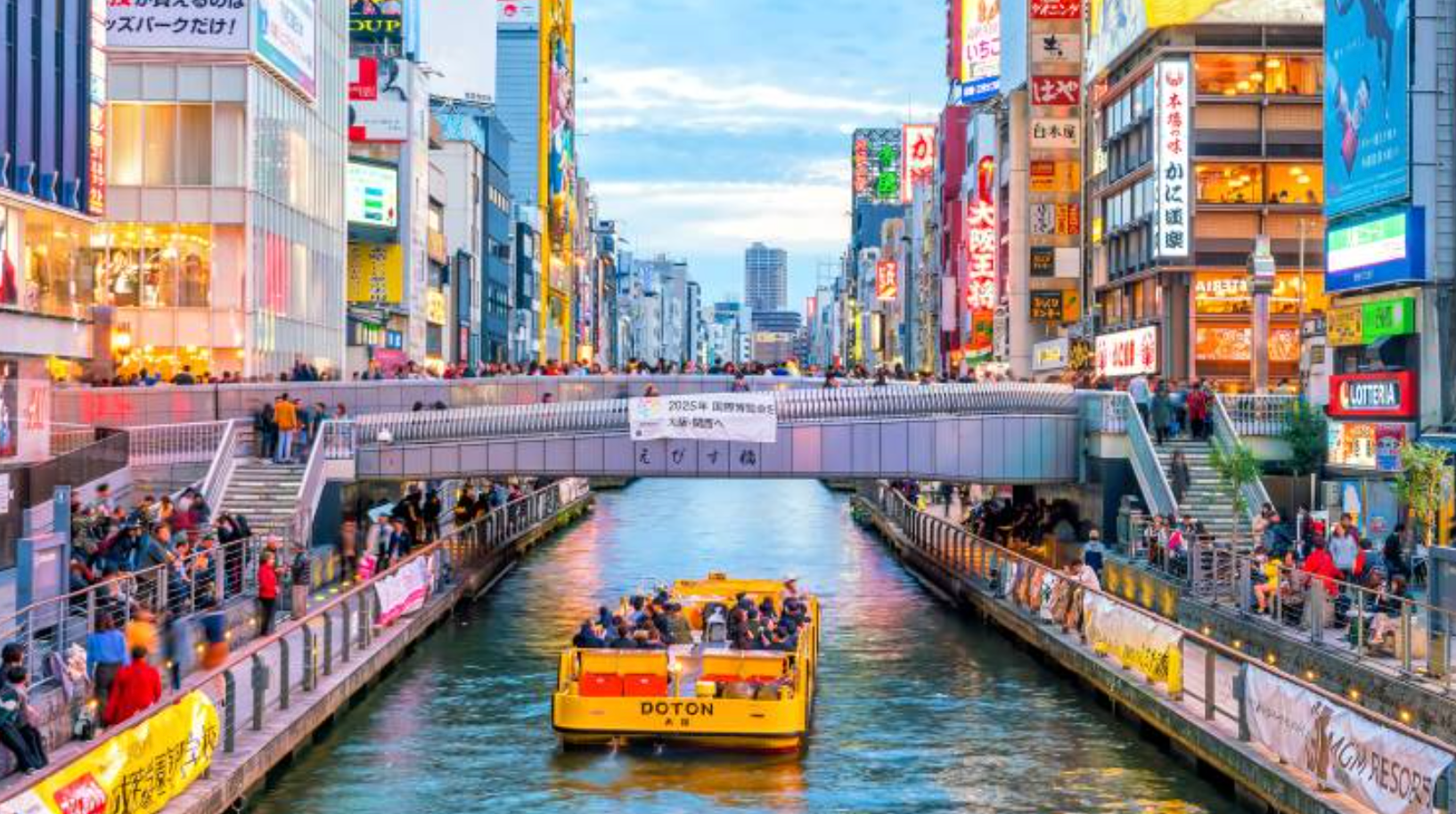
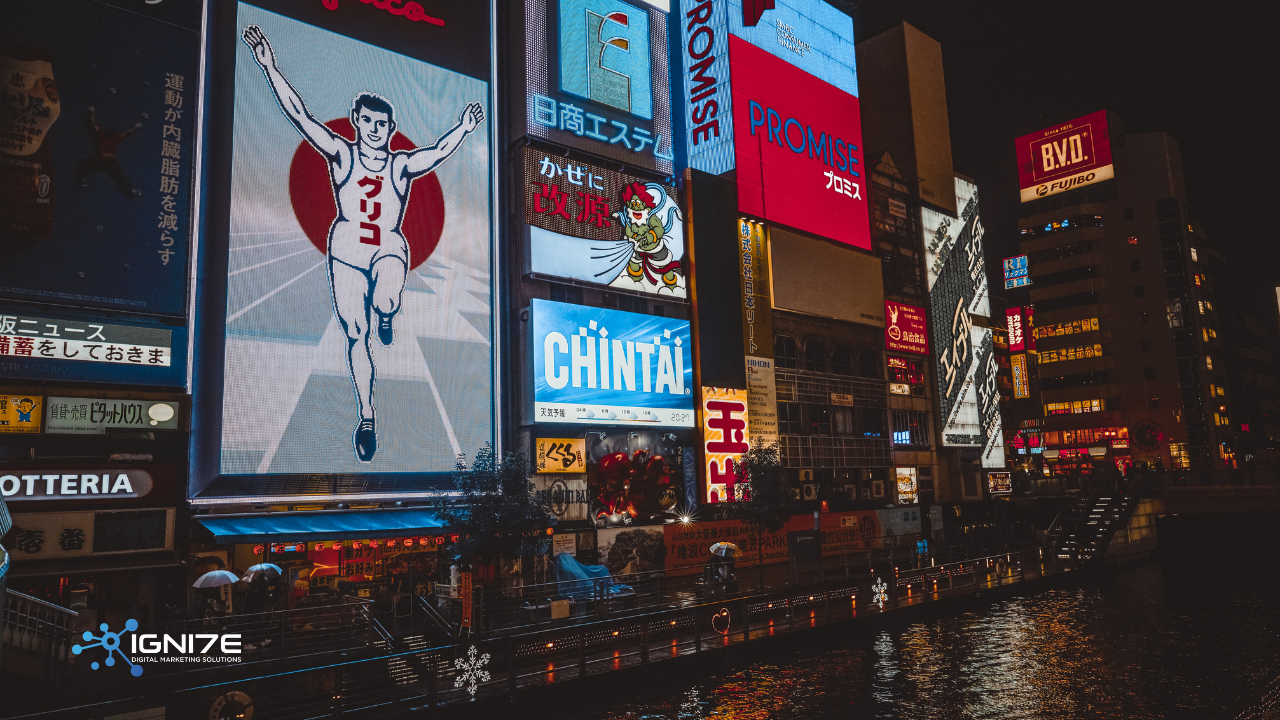
Most travelers to Osaka follow a predictable, neon-lit path. They walk the length of Dotonbori (道頓堀), take a selfie with the Glico Running Man, eat takoyaki until they can barely walk, and leave believing they have "done" Namba. And while these experiences are iconic for a reason—Dotonbori truly is one of the most spectacular streets in Asia—they only scratch the surface of what this neighborhood actually is. Namba is not just a tourist attraction; it is a living, breathing district with layers of history, culture, and local life that most visitors never glimpse because they never think to step one or two streets away from the main canal.
The real Namba exists in the narrow alleys behind the department stores, in the stone-paved lanes where paper lanterns cast warm pools of light onto moss-covered statues, in the underground whisky bars where a bartender with thirty years of experience serves you a single perfect pour while rain drums on the street three floors above. It exists in the 400-year-old shrines that sit in the shadow of skyscrapers, in the kitchenware shops where master chefs buy their knives, and in the tiny standing bars where you become a regular after your second visit because the owner remembers your drink. This is the Namba that the guidebooks overlook—not because it is secret, but because it does not scream for attention the way the neon signs do.
In this comprehensive 2026 guide, we are going deep beyond the tourist maps. We have hand-picked 10 hidden gems in and around Namba (難波) that offer a glimpse into the city's soul—the quiet, authentic, deeply human side of Osaka that reveals itself only to those who are curious enough to wander. Whether you are like Sarah—a solo traveler seeking authenticity, meaningful experiences, and stories worth telling—or simply someone who wants to escape the crowds for a few hours, these spots will fundamentally change how you see this city.
Why Explore Beyond Dotonbori: The "Backstage" of Osaka
Source: https://japancheapo.com/entertainment/guide-dotonbori-osaka/
Dotonbori is spectacular, but it is also, fundamentally, a performance—a carefully curated spectacle designed to dazzle international tourists with maximum sensory impact. When you explore the hidden gems of Namba, the performance ends and the real city begins. The contrast is so immediate, so dramatic, that it can feel like stepping through a portal. One moment you are surrounded by thousands of people, mechanical crabs, and blinding neon; sixty seconds of walking down a side street later, you are standing in a stone-paved alley so quiet you can hear the water dripping from a 300-year-old stone lantern.
The Contrast of Old and New
Osaka is a city of layers, and Namba is where those layers are most visible. Because this district survived the fires, earthquakes, and wartime bombings of centuries through a combination of luck and sheer stubbornness, you will find 400-year-old temples sitting literally in the shadow of ultra-modern skyscrapers. A Shinto shrine founded before Columbus reached the Americas shares a block with a convenience store selling AI-powered smartphone chargers. Exploring the backstreets allows you to see this "collage" of history in a way that the main tourist corridors—which have been largely rebuilt and modernized—simply cannot offer. For a traveler like Sarah, who wants to see the authentic side of Japan while avoiding the well-worn tourist circuits, these spots offer a chance to slow down, to breathe, and to connect with a city that has been welcoming merchants, travelers, and seekers for over a thousand years.
The Power of "Ura" Culture
In Japanese, the word "Ura" (裏) means "back" or "behind," and in Osaka's cultural lexicon, it has evolved into something far richer than a simple directional term. "Ura" culture refers to the hidden, local-facing side of a neighborhood—the places that exist behind the main streets, behind the tourist facades, behind the carefully maintained public face. In Namba, the "Ura" spots are where the locals go to escape the spotlight. You will find family-run bars that have been pouring drinks from the same counter for three generations, specialized markets where the city's top chefs do their morning shopping in professional silence, quiet parks where elderly couples sit on benches reading newspapers, and tiny record shops where the owner's personal taste is the only curation algorithm.
These spots are not "hidden" in the sense of being secret or exclusive. They are hidden because they do not feel the need to advertise, to compete for attention, to put up signs in six languages. They exist for the people who already know about them, and discovering them feels less like tourism and more like being let in on a conversation that has been going on for decades. This is the kind of travel that changes you—not because the sights are spectacular, but because the experiences are genuine.
10 Hidden Gems You Won't Find in Guidebooks
1. Hozenji Yokocho (法善寺横丁) – The Mossy Soul
Source: https://osaka-info.jp/en/spot/hozenji-yokocho/
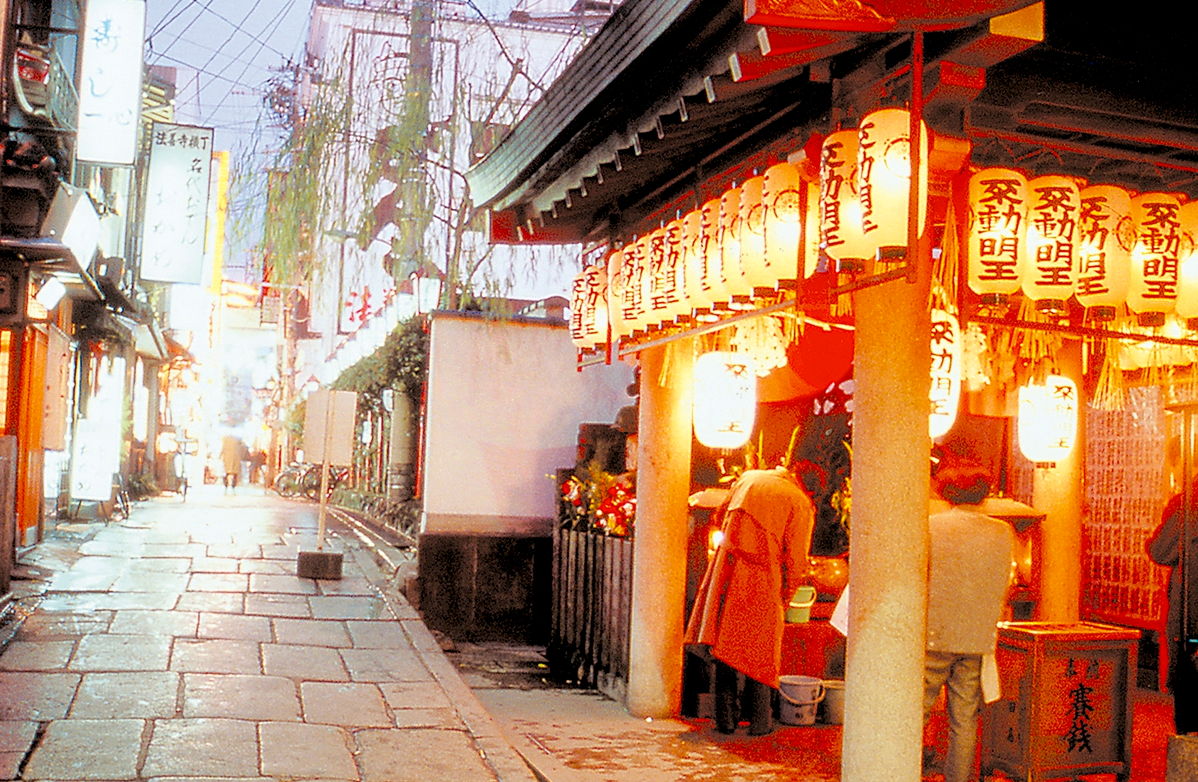
Just a three-minute walk from the chaos of the Glico sign—a distance so short it seems impossible that two such different worlds could coexist—is a narrow, stone-paved alleyway called Hozenji Yokocho. The moment you step onto its smooth, dark stones, worn silky by centuries of footsteps, the noise of the city disappears as if someone has pressed a mute button. This alley is home to dozens of traditional restaurants and tiny bars, all illuminated by soft paper lanterns that cast a warm, amber glow across the wet stones.
The heart of the alley is Hozenji Temple (法善寺), famous for the Mizukake Fudo statue—a Buddhist deity of determination and willpower that is covered in thick, lush green moss because visitors have been splashing water over it while making wishes for centuries. The moss is so dense and vibrant that the statue's features are barely visible beneath the green, giving it an almost otherworldly appearance, as if nature itself has embraced the deity. The ritual is simple: you stand before the statue, ladle water over it using the bamboo dipper provided, and make your wish in silence. Locals come here to pray for success in love, business, and personal growth, and the steady stream of visitors throughout the day—from suited businessmen on their lunch break to elderly women with their grandchildren—is a testament to the statue's enduring spiritual significance.
Sarah's Tip: Don't just take a photo and move on. Join the line, splash the water, and make a wish. There is something profoundly moving about participating in a ritual that people have been performing at this exact spot for hundreds of years. Then stay for dinner—the tiny restaurants lining the alley serve some of the finest traditional cuisine in Osaka at prices that are surprisingly reasonable given the atmosphere. Try the oden (hot pot) shops in winter, when the steam from the simmering broth mingles with the cold night air and the warm glow of the lanterns.
2. Namba Yasaka Shrine (難波八阪神社) – The Lion's Gate
Imagine walking through a quiet residential street, past laundry hanging from apartment balconies and bicycles parked against fences, and suddenly seeing a 12-meter-tall lion's head with a massive open mouth staring directly at you. That is the main hall of Namba Yasaka Shrine, and no matter how many photos you have seen online, nothing prepares you for the surreal impact of seeing it in person. The lion's head—called the "Ema-den"—is the shrine's ceremonial stage, with the open mouth serving as the performance space for traditional kagura dances and festivals.
The spiritual power of this shrine is tied directly to the lion's gaping mouth, which is said to swallow evil spirits and bad luck while drawing in good fortune, particularly for business success and academic achievement. During exam season (January-February), the shrine is crowded with students praying for success on university entrance exams, their ema (wooden prayer plaques) hanging in dense clusters from the shrine's boards, each one bearing a handwritten hope for the future.
While the lion head has gained considerable fame on social media in recent years, many tourists still miss it because the shrine is tucked away behind a large school, invisible from any main road, with no prominent signage pointing the way. The residential neighborhood that surrounds it is so ordinary, so completely devoid of tourist infrastructure, that stumbling upon the shrine feels like discovering a secret level in a video game.
Pro Tip: Arrive before 10:00 AM. In the early morning, the shrine is a peaceful oasis—you can photograph the lion without crowds, listen to the birds in the ancient trees, and watch the shrine's caretaker rake the gravel paths with meditative precision. The contrast between the enormous, dramatic lion head and the quiet, domestic neighborhood is magical at this hour.
3. Doguyasuji Shopping Street (道具屋筋) – The Chef's Secret
Source: https://osaka-info.jp/en/spot/sennichimae-doguyasuji-shopping-street/
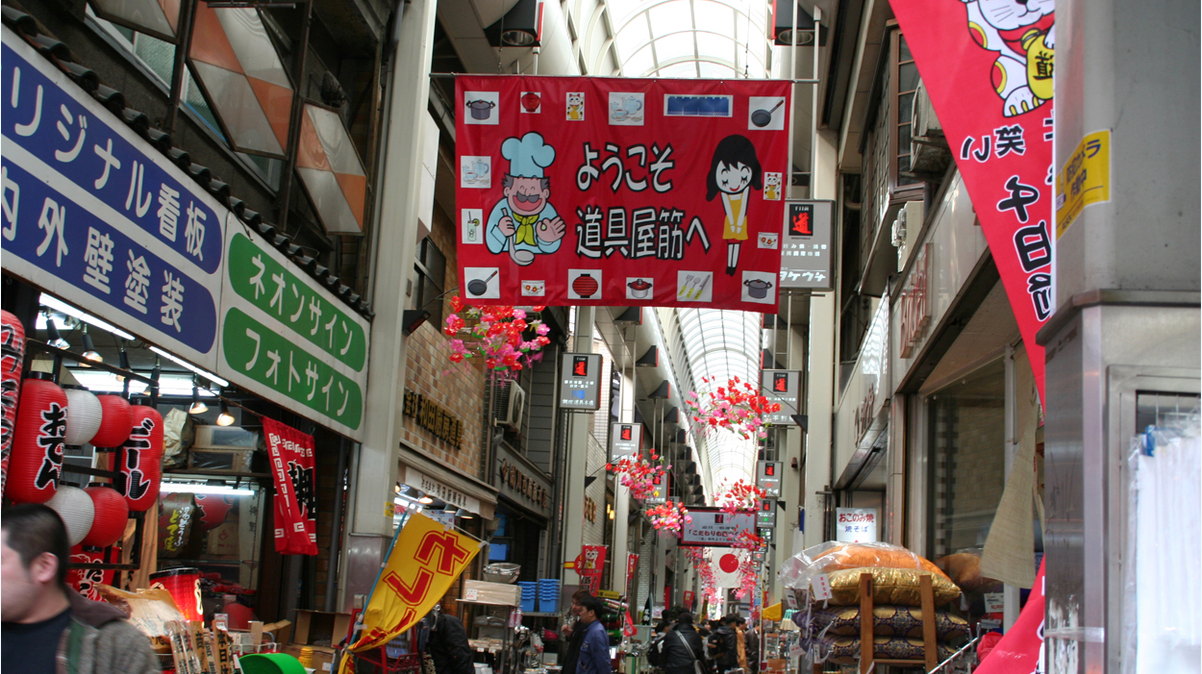
Known as "Kitchenware Street," this 150-meter-long covered arcade is where Osaka's professional chefs buy their tools, and walking through it feels like entering the backstage area of the city's culinary performance. While tourists in Dotonbori are eating the food, here you can see the instruments that create it—rows of gleaming Japanese knives displayed like jewels in velvet-lined cases, beautiful lacquerware bowls and plates, enormous industrial woks, and the hyper-realistic plastic food models (Sampuru) that sit in restaurant windows across Japan.
The shops here are not selling souvenirs. They are selling professional-grade equipment to professional chefs, and the difference in quality between what you find here and what you find in a tourist shop is immediately apparent when you pick up a knife and feel its balance, its weight, the way it seems to draw itself toward the cutting board. The shopkeepers are craftspeople themselves, many of them third or fourth-generation owners who inherited both the business and the deep expertise that comes with a lifetime spent around the finest tools in the world. They can explain the difference between a yanagiba (sashimi knife) and a deba (fish-butchering knife), recommend the right steel for your cooking style, and sharpen a blade to a mirror finish while you watch.
Pro Tip: Many knife shops offer a free name-engraving service if you purchase a high-end blade. Having your name—or a loved one's name—etched in Japanese characters onto a hand-forged kitchen knife is one of the most meaningful souvenirs you can bring home from Osaka. Budget ¥8,000 to ¥30,000 for a quality chef's knife that will last a lifetime.
4. Shinsekai's Back Alleys (新世界の裏路地) – Frozen in 1960
While many visitors come to the main street of Shinsekai to photograph the Tsutenkaku Tower and eat kushikatsu, very few venture into the tiny side streets that branch off from the Jan-Jan Yokocho alley. These narrow passages feel like stepping through a time warp into postwar Japan—the signage is hand-painted in fading colors, the buildings lean slightly with age, and the atmosphere carries a quiet melancholy mixed with stubborn vitality.
Here you will find tiny standing bars (Tachinomi) where local men gather in the afternoon to play Shogi (Japanese chess) and drink cheap beer, their conversations punctuated by the clacking of wooden pieces on the board. You will find barber shops with rotating candy-cane poles that have been cutting hair since the 1950s. You will find ramen shops so small that five customers is a full house, where the broth has been simmering since before dawn and the owner knows every regular by name. This is not the Osaka of tourist brochures; this is the Osaka of daily life, worn and comfortable and beautiful in its unpolished authenticity. Sarah should walk slowly, observe respectfully, and resist the urge to photograph every weathered surface—sometimes the best memories are the ones you carry only in your mind.
5. Kuromon Market's Morning Scene (黒門市場) – Before the Crowds
Kuromon Market has become undeniably touristy in recent years—by noon, the narrow aisles are packed with international visitors wielding selfie sticks and giant skewers of grilled seafood. But if you set your alarm and arrive between 7:30 AM and 9:00 AM, you will see the market as it was intended—as a working wholesale market where the city's professional chefs come to select the ingredients that will define their menus for the day.
The atmosphere during these early hours is completely different from the midday tourist experience. Restaurant owners in white coats move through the aisles with the focused intensity of athletes, inspecting cuts of tuna with the expertise of gemologists evaluating diamonds. Fishmongers call out their morning catches in rapid-fire Osaka dialect, their voices bouncing off the covered arcade's ceiling. The air is cold and smells of salt and ice. There is an energy of professional purpose—a sense that the food being selected right now will determine whether dozens of restaurants across the city have a good day or a bad one. Witnessing this process gives Sarah a deeper appreciation for every piece of sushi and every bowl of ramen she will eat during her trip.
6. Kamigata Ukiyo-e Museum (上方浮世絵館) – The World's Only Osaka Woodblock Gallery
Source: http://kamigata.jp/kmgt/english/
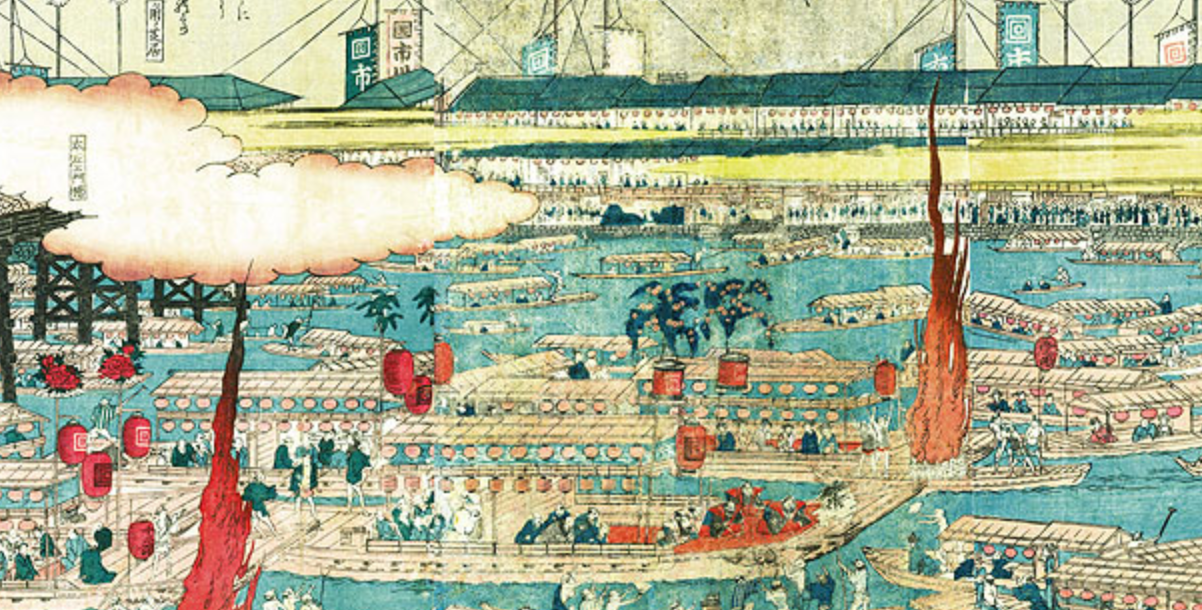
Hidden on a quiet side street near Hozenji—so close you could visit both in a single afternoon stroll—this tiny museum is dedicated to the art of Kamigata Ukiyo-e, woodblock prints made specifically in the Osaka and Kyoto regions. While most people associate ukiyo-e with the famous Edo-style prints of Hokusai and Hiroshige (Mount Fuji, the Great Wave), the Kamigata tradition was entirely different. These prints focused almost exclusively on the theatrical world—portraits of Kabuki actors in dramatic poses, scenes from famous plays, and the glamorous backstage lives of performers who were the celebrities of their era.
The museum is small—just two intimate floors in a traditional machiya (wooden townhouse)—but its intimacy is its greatest charm. You can study each print at close range, marveling at the precision of the carving and the subtle gradations of color that were achieved through a painstaking process of hand-pressing multiple layers of ink onto washi paper. A video demonstration of the printing process reveals just how labor-intensive this art form was—each print required dozens of separate color impressions, each aligned with hair's-breadth accuracy. You can also purchase authentic reproduction prints made using traditional techniques, providing a souvenir that is both beautiful and historically significant.
Why it is hidden: There are no large signs, no flashy banners, no tourist bus stops nearby. The entrance is tucked behind a traditional facade that blends seamlessly into the residential streetscape, and most tourists walk right past it without a second glance. Admission is just ¥500.
7. Sennichimae Doguyasuji's Sampuru Workshops (食品サンプル体験)
While the main street of Doguyasuji is well-known for selling kitchenware, the real magic happens in the Sampuru (plastic food model) workshops located at the back of a few specialized stores. Sampuru is a uniquely Japanese art form—the hyper-realistic plastic food models that sit in restaurant windows across the country, helping diners choose their meals before entering. What appears to be a glistening bowl of ramen or a perfectly marbled steak is actually a hand-crafted wax or vinyl creation so lifelike that your brain genuinely struggles to accept it is not real food.
For around ¥2,500, Sarah can take a 30-minute workshop where she creates her own incredibly realistic plastic tempura or parfait, dipping wax into water at precise temperatures and shaping it with her hands while it is still warm and pliable. The workshops are run by artisans who produce sampuru for actual restaurants, and their patience and skill in guiding beginners through the process makes the experience feel both educational and genuinely fun. The finished product is a uniquely "Osaka" souvenir that will spark conversation for years.
Why it is hidden: The workshops are not heavily advertised in English, and there are no signs outside indicating their existence. You need to walk into the store—which looks like any other kitchenware shop from the outside—and ask: "Taiken dekimasu ka?" (Can I do the experience?). Booking in advance via phone or the store's website is recommended during peak tourist season.
8. Triangle Park After Dark (Amemura) – The Youth Culture Hub
Source: https://discover.osaka-info.jp/en/articles/amemura-idol-guide
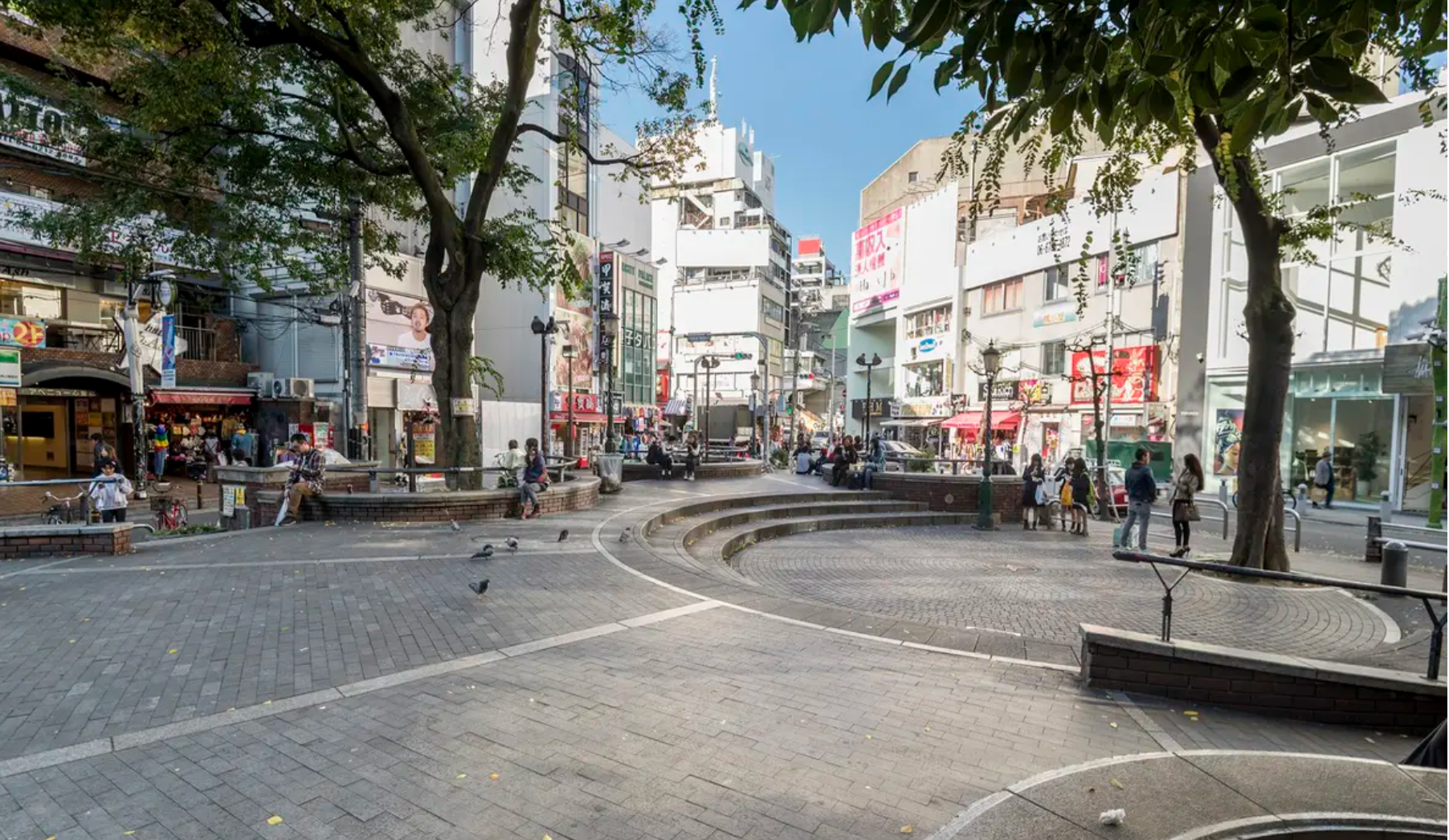
Located in the heart of Amerikamura, "Triangle Park" (Sankaku Koen / 三角公園) is a tiny concrete plaza that becomes the social epicenter of Osaka's alternative youth culture after 9:00 PM. During the day, it is an unremarkable wedge of concrete surrounded by streetwear shops and vintage record stores. After dark, it transforms into an outdoor stage where the city's creative energy concentrates into a dense, kinetic spectacle.
On any given Friday or Saturday night, you will find breakdancers spinning on flattened cardboard boxes, street musicians performing original compositions, aspiring comedians testing material on patient crowds, and groups of teenagers in elaborately styled outfits that reference everything from 1990s hip-hop to futuristic anime aesthetics. There are no organizers, no schedules, no admission fees. People simply show up, perform, watch, socialize, and disappear into the night. The energy is raw, democratic, and genuinely exciting—a grassroots expression of creative freedom that reveals a side of Osaka completely invisible from the tourist corridors.
Why it is hidden: Most guidebooks ignore Triangle Park because there is nothing to "do" in the conventional sense—no monument to photograph, no food to eat, no ticket to buy. The point is to observe, to absorb the energy, and to understand that Osaka's culture is not just about temples and takoyaki. For Sarah, visiting Triangle Park after dark is a chance to see the city's future being shaped in real time.
9. The Underground Whisky Bars of Kitashinchi (地下のバー)
Just a short walk north from Namba lies Kitashinchi (北新地), the city's most exclusive nightlife district—a grid of narrow streets where the facades are polished and the clientele is well-heeled. While the street-level establishments are visible and approachable, the real treasures are hidden in the basements, accessible only through small, unassuming doorways and narrow staircases that descend into dimly lit corridors.
Recommended Bar: Bar K — A 12-seat counter presided over by a bartender who has curated a collection of over 1,000 bottles of Japanese and Scottish whisky spanning decades of distillation. The vibe is refined but never pretentious—this is a place where knowledge is shared generously, where a question about the difference between Islay and Speyside malts will be answered with a thoughtful explanation and a comparative tasting. The bartender's movements are precise and unhurried, each pour measured with the accuracy of a pharmacist, each ice ball carved by hand into a perfect sphere that melts at exactly the rate needed to open up the whisky's flavors without diluting them.
Why it is hidden: There are literally no signs. You find these places by word of mouth, by stumbling upon a small, unassuming doorway in a row of anonymous buildings, and by having the courage to take an elevator down to a floor that shows no indication of what awaits. The reward for this small act of exploration is one of the finest drinking experiences in Japan. Budget ¥2,000 to ¥4,000 for a single premium pour, and consider it money well spent.
For more nightlife options including clubs and late-night dining, check our 12-osaka-nightlife-guide.
10. Nanba Shrine (難波神社) – An Oasis in the Concrete Jungle
In the middle of the Shinsaibashi shopping frenzy—surrounded on all sides by department stores, fashion boutiques, and the constant flow of shoppers—there is a surprisingly large and peaceful Shinto shrine that most tourists rush past without noticing. Nanba Shrine (難波神社) was originally founded over 1,000 years ago, and while the current structures have been rebuilt over the centuries, the sacred ground itself carries a weight of history that you can feel the moment you step through the torii gate and leave the commercial world behind.
The shrine grounds are a quiet refuge where you can sit on a bench under ancient camphor trees whose branches have been growing for centuries, listening to the wind rustle through the leaves while the city buzzes just meters away on the other side of the walls. In spring, the plum blossoms bloom early here, offering a preview of the cherry blossom season that will follow. The shrine is also home to a small market on the third Sunday of each month, where local artisans sell handmade crafts, vintage kimono fabrics, and organic sweets.
Why it is hidden: The shrine's entrance is surrounded by commercial buildings and blends into the urban landscape so seamlessly that it becomes essentially invisible. Thousands of people walk past it every day without realizing it is there. Once you step through the gate, the transformation is immediate and almost surreal—from the noise and chaos of Shinsaibashi to the ancient quiet of sacred ground in a single step.
Sarah's Tip: Visit at dusk. The paper lanterns along the shrine's pathways light up as darkness falls, and the contrast between the warm, golden glow of the lanterns and the cool blue twilight reflected in the glass towers above creates one of the most photogenic scenes in all of Osaka. The shrine is also significantly less crowded at this hour—you may have it entirely to yourself.
FAQ: Exploring Namba's Secret Side
Source: https://www.japan-guide.com/e/e4001.html
Are these places safe for solo female travelers? Absolutely. Osaka is consistently ranked as one of the safest major cities in the world, and the neighborhoods described in this guide—including the "grittier" areas like Shinsekai's back alleys—are very safe for solo travelers like Sarah. Japan's overall crime rate is extraordinarily low, and violent crime against tourists is virtually unheard of. That said, practice standard urban awareness: stay in well-lit areas after dark, keep an eye on your belongings in crowded markets, and trust your instincts if a situation feels uncomfortable.
Do I need to speak Japanese? Not necessarily, though a few key phrases will dramatically enhance your experience. While these hidden gems are less touristy than Dotonbori, people in Osaka are famously warm and helpful—the city has a well-deserved reputation for being the friendliest place in Japan. Even if communication requires a creative combination of gestures, smartphone translation apps, and mutual goodwill, you will find that most interactions end with smiles and the genuine satisfaction of having connected across a language barrier.
What is the best time of day for photography? For street photography, the "Golden Hour" (around 4:00 to 5:00 PM in winter or 5:30 to 6:30 PM in summer) is ideal for capturing the warm glow of the lanterns against the twilight sky. Hozenji Yokocho is most magical after 8:00 PM, when the lanterns are fully lit and the wet stone paths reflect their amber light. Kuromon Market photographs best between 8:00 AM and 9:00 AM, when the morning light is soft and the vendors are at their most energetic. Namba Yasaka Shrine is best in the early morning, when the dramatic lion head is lit by the low angle of the rising sun.
Which spots are good for rainy days? Several hidden gems are actually enhanced by rain. Hozenji Yokocho becomes even more atmospheric when the stone paths are wet and reflecting the lantern light—professional photographers specifically seek out rainy evenings for this reason. The Ukiyo-e Museum and the Sampuru workshops are entirely indoors. And for a rainy afternoon, the underground whisky bars of Kitashinchi are perfect—there is something wonderfully contemplative about sipping rare Japanese whisky while rain drums on the streets three floors above.
Can I bring children to these spots? Most of these spots are family-friendly and can provide children with experiences they will never forget. The Sampuru workshops are particularly popular with kids aged 6 and up—they love the process of creating their own realistic plastic food. Namba Yasaka Shrine is perfect for children who are fascinated by the giant lion's head—it is dramatic enough to capture any child's imagination. Kuromon Market's morning fish auction atmosphere can be thrilling for curious kids. However, the underground whisky bars and Triangle Park's late-night scene are strictly for adults.
How much should I budget for a full day of exploring? A hidden gems day is surprisingly affordable compared to the tourist-focused experiences in Dotonbori. Here is a realistic sample budget:
- Ukiyo-e Museum entry: ¥500
- Sampuru workshop: ¥2,500
- Lunch at a standing udon stall in Tenma: ¥800
- Afternoon coffee in Hozenji: ¥600
- Knife browsing in Doguyasuji (optional purchase): ¥0 to ¥30,000
- Dinner at a local izakaya in Ura-Namba: ¥2,500
- Total (excluding purchases): Around ¥7,000
Where are the best places to meet local Osakans? If you want to interact with locals, head to the Tachinomi (standing bars) in Tenma or the tiny counters in Ura-Namba. Osakans are famously gregarious—especially after a drink or two—and the standing bar format, where everyone is packed together at a single counter, naturally encourages conversation. The staff at the smaller shops in Doguyasuji are also incredibly knowledgeable and often happy to chat about their craft if you show genuine interest. A simple "Sugoi desu ne!" (That is amazing!) while watching a craftsman work will usually open a conversation.
Can I combine multiple hidden gems into a single walking tour? Absolutely, and the geography of Namba makes this easy. Here is an efficient route: Start at Namba Yasaka Shrine (morning), walk to Doguyasuji for knife browsing and a Sampuru workshop (mid-morning), continue to Kuromon Market for a seafood lunch, visit Hozenji Yokocho and the Ukiyo-e Museum in the early afternoon, and finish with dinner and drinks in Ura-Namba or Shinsekai's back alleys. The entire route covers approximately 3 kilometers and can be completed at a leisurely pace in 6 to 8 hours.
Final Thoughts: Sarah's Perfect "Off-Beaten-Path" Day
If you want to live like Sarah for a day—exploring with intention, moving slowly, choosing depth over breadth—here is the formula:
- Morning: A visit to the Lion Shrine (Yasaka) for luck, followed by coffee at a quiet cafe in the surrounding residential streets.
- Mid-Morning: Knife browsing in Doguyasuji, perhaps a Sampuru workshop.
- Lunch: ¥800 udon in the Namba Walk underground or at a standing stall in Tenma.
- Afternoon: The Ukiyo-e Museum, then a slow wander through Hozenji Yokocho.
- Evening: A quiet drink in Hozenji Yokocho, watching the moss grow on the Buddha, followed by dinner at a tiny counter restaurant in Ura-Namba.
- Night (optional): Triangle Park to absorb the energy, or a descent into a Kitashinchi whisky bar.
Osaka is a city that rewards the curious. The neon-lit main streets will give you the photographs, but the hidden alleys will give you the stories. Don't be afraid to take the "wrong" turn—in Namba, that is usually where the best experiences begin.
For more about what to eat during your explorations, our 72-osaka-street-food-guide covers every neighborhood mentioned here. And when the sun goes down, our 12-osaka-nightlife-guide will guide you through the best bars and late-night experiences in the city.