Complete Guide to Osaka Street Food 2026: The Ultimate "Kuidaore" Adventure
Last updated: February 2026
Welcome to Osaka, Japan's undisputed street food capital—a city where the sidewalks themselves seem to sizzle, where the air carries the competing aromas of a thousand grills, and where eating is elevated from daily necessity into a high-contact, multi-sensory performance art. While Tokyo may boast more Michelin stars and Kyoto offers the refined elegance of kaiseki, Osaka has the soul—and the stomach—of the nation. This is the city that invented takoyaki, perfected okonomiyaki, and turned the simple act of deep-frying food on a stick into a culinary philosophy. From the rhythmic clicking of takoyaki picks against cast iron molds to the hypnotic sizzle of okonomiyaki batter meeting a hot iron plate, from the explosive crunch of freshly fried kushikatsu to the gentle hiss of steam escaping a freshly split butaman, the soundtrack of Osaka is the sound of cooking—and the sound of people eating with unrestrained, unapologetic joy.
There is a word the locals use to describe their relationship with food: kuidaore (食い倒れ), which roughly translates to "eat until you fall over." But this is no mere cute expression—it is a civic identity, a philosophical stance, a way of life that has shaped the city's architecture (entire districts are designed around food), its social customs (strangers bond over shared plates), and its economy (some of the world's most profitable food businesses were born on these streets). In every other Japanese city, the saying goes, people spend their money on fashion, on homes, on cars. In Osaka, they spend it on food. And the result is a street food ecosystem so dense, so competitive, and so astonishingly good that even a random stall chosen at random on a random side street is likely to serve something extraordinary.
In this massive, exhaustive guide for 2026, we cover everything you need to know about experiencing the best street food Osaka has to offer. Whether you are walking through the neon-lit canyons of Dotonbori (道頓堀), exploring the retro alleys of Shinsekai (新世界), or venturing into the local-only markets of Tenma, we have prepared the ultimate roadmap for you. Put on your most comfortable shoes, arrive with an empty stomach, and prepare to discover why this city is the world's greatest open-air kitchen.
Why Osaka Is Japan's Street Food Capital: The Philosophy of Kuidaore
To truly enjoy the food here, Sarah, you must first understand the cultural DNA that makes Osaka's street food scene unlike anything else on earth. This is not just a city with good food—it is a city built around, by, and for food.
The Nation's Kitchen (Tenka no Daidokoro)
Historically, Osaka earned the title "Tenka no Daidokoro" (天下の台所) or "The Nation's Kitchen" during the Edo period (1603-1868). As Japan's dominant commercial hub and the country's largest rice market, high-quality ingredients from every province in Japan flowed into Osaka's ports and warehouses. Rice from Niigata, soy sauce from Wakayama, fish from the Seto Inland Sea, vegetables from the fertile plains of Nara—all converged on this single city, creating a population of incredibly discerning foodies who demanded bold flavors at accessible prices. Unlike the aristocratic food culture of Kyoto or the samurai-class cuisine of Edo (Tokyo), Osaka's food was merchant food—democratic, practical, and intensely flavorful.
This heritage lives on today in every family-run takoyaki stand, in every century-old kushikatsu shop, and in the fierce pride that even the most humble street vendor takes in their craft. In Osaka, food is not a transaction; it is a conversation, an exchange of skill and appreciation that has been refined over centuries. The vendor who has been making takoyaki at the same corner for thirty years does not see herself as selling snacks—she sees herself as carrying on a tradition, maintaining a standard, and feeding her community. Understanding this is the key to understanding why Osaka's street food is so much more than the sum of its ingredients.
The Secret Weapon: "Dashi" Culture
While most international food enthusiasts know about soy sauce and wasabi, the true backbone of Osaka's cuisine is dashi—a delicate stock made from kelp (kombu) and bonito flakes (katsuobushi). Osaka's version of dashi tends to be lighter and more kombu-forward than the bonito-heavy broths of Tokyo, and this subtle difference ripples through the entire street food landscape. The batter in takoyaki, the sauce on okonomiyaki, the broth in udon—everything in Osaka is built on this foundation of umami that adds a depth of flavor you cannot quite identify but absolutely cannot stop eating. Sarah will notice this difference immediately: Osaka street food has a "rounded" quality, a savory completeness that keeps pulling you back for one more bite even when you are convinced you are full.
The Best Street Food Districts in Osaka: A 2026 Hub Map
1. Dotonbori (道頓堀) – The Neon Epicenter
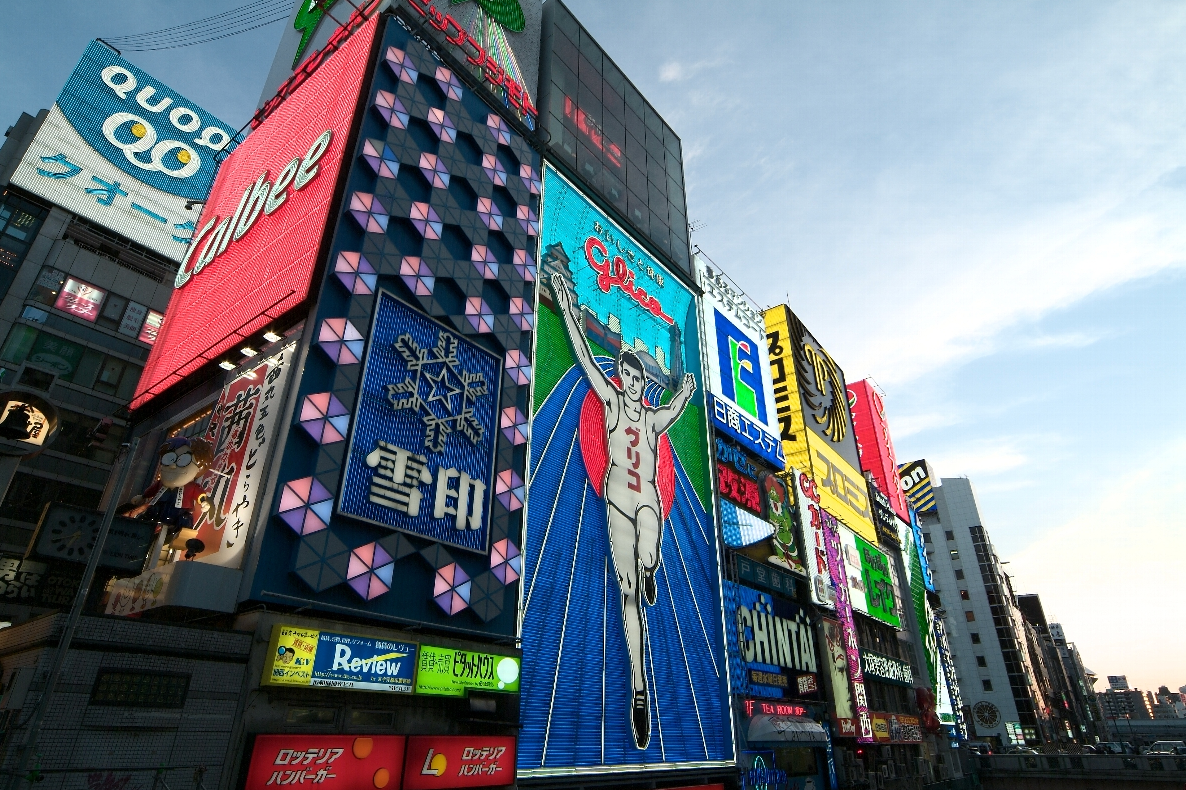
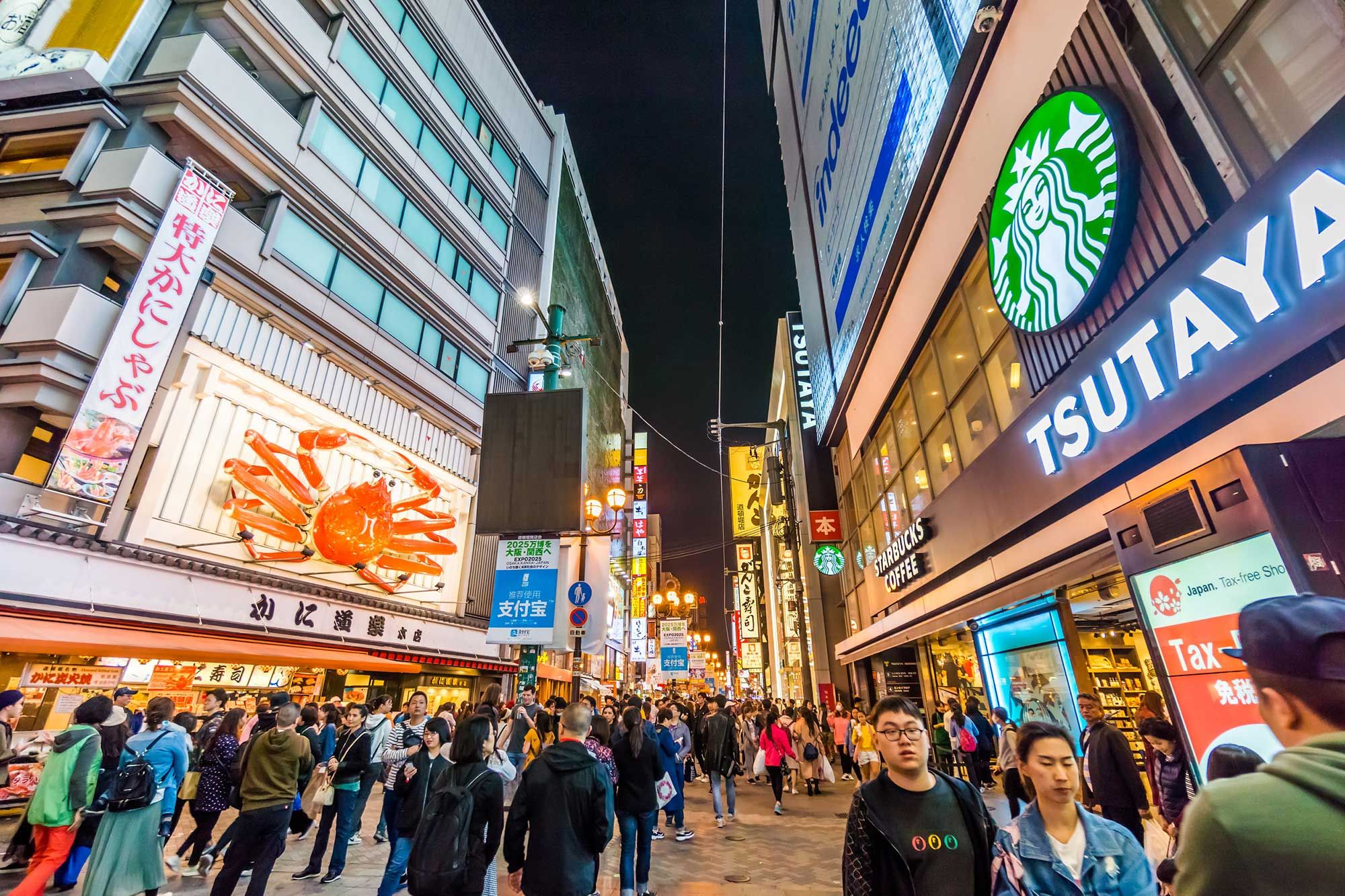
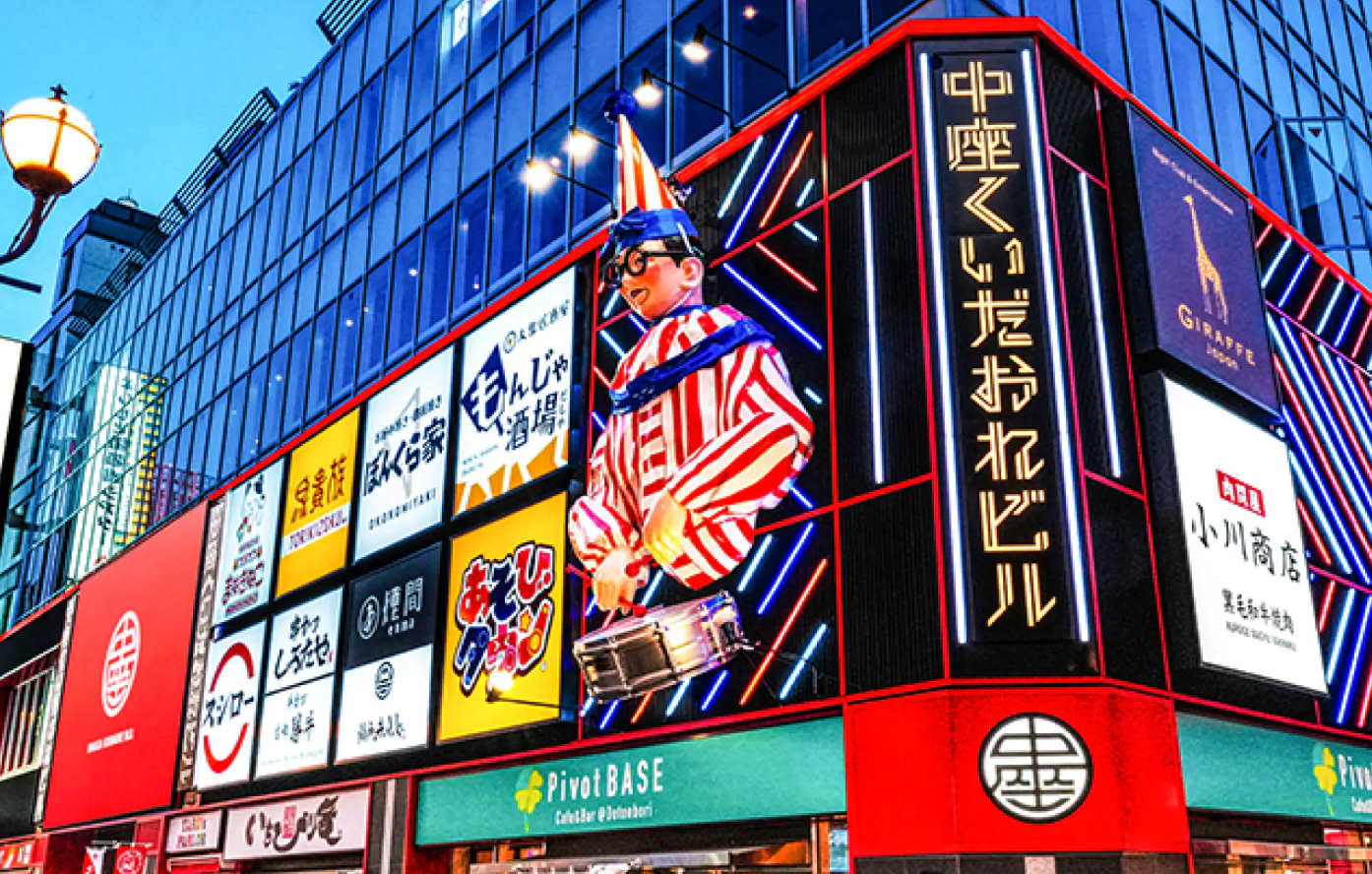
Dotonbori is the iconic heart of Osaka's food scene, and nothing in the world quite prepares you for the sensory overload of seeing it for the first time. This canal-side street is a theatrical explosion where giant mechanical crabs wave their legs overhead, a three-dimensional pufferfish glows against the night sky, and the legendary Glico Running Man sign casts its triumphant silhouette across the water. Between these monuments to commercial exuberance, the street-level shops are packed shoulder to shoulder—takoyaki vendors with lines snaking past their neighbors, okonomiyaki restaurants with iron griddles visible through open storefronts, and kakigori (shaved ice) stalls that seem to materialize out of nowhere during summer months.
The vibe is high-energy, chaotic, and spectacular. In 2026, many stalls now offer "Express Pick-up" via mobile apps, allowing Sarah to order from her phone and skip the sometimes forty-minute physical lines that form at the most popular spots. The must-try experiences here are the takoyaki stalls near the Ebisubashi Bridge—where the concentration of vendors creates a competitive intensity that drives quality to extraordinary heights—and the charcoal-grilled crab legs from Kani Doraku, whose massive mechanical crab sign has been an Osaka landmark since 1960.
Sarah's Tip: Visit Dotonbori twice—once during the day to photograph the signs and eat comfortably, and once after 9:00 PM when the neon reflects off the canal water and the energy level reaches a fever pitch. The experience is completely different at night, and many stalls offer late-night specials you will not find during the day.
2. Shinsekai (新世界) – Retro Nostalgia
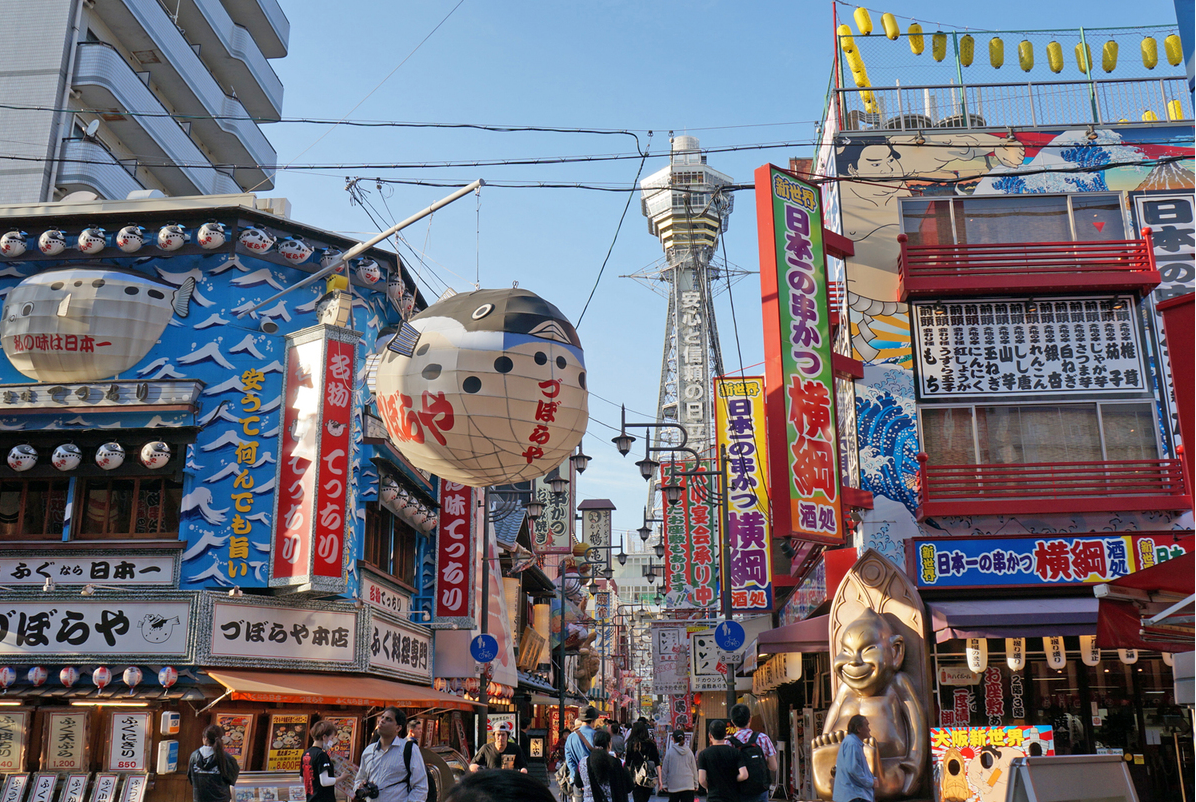
Shinsekai ("New World") is a neighborhood that feels frozen in the 1960s, a place where time seems to have paused and left behind a perfectly preserved snapshot of postwar Osaka. Located under the shadow of the Tsutenkaku Tower—a structure modeled after the Eiffel Tower that has become one of Osaka's most recognizable silhouettes—this area is the birthplace of Kushikatsu (deep-fried skewers), a dish so closely associated with this neighborhood that you will see its name on literally every other storefront.
The vibe is gritty, colorful, and unapologetically "Old Osaka." Massive illuminated signs in retro fonts promise the best kushikatsu in the city. Pachinko parlors blast electronic music onto the sidewalks. Elderly men sit on plastic stools outside tiny bars, drinking beer in the afternoon sun. And through it all, the smell of hot oil and breadcrumbs fills the air with a warm, inviting haze. The golden rule of kushikatsu dining in Shinsekai: "No Double-Dipping!" (Nido-zuke Kinshi / 二度漬け禁止). Each table has a communal trough of thick, dark, sweet-savory sauce. You dip your skewer into it once—exactly once. If you want more sauce, use the cabbage leaves provided as a spoon to scoop additional sauce onto your food. This is not just etiquette; it is sacred law, and breaking it will earn you a stern correction from both the staff and your fellow diners.
3. Kuromon Market (黒門市場) – The Gourmet's Kitchen
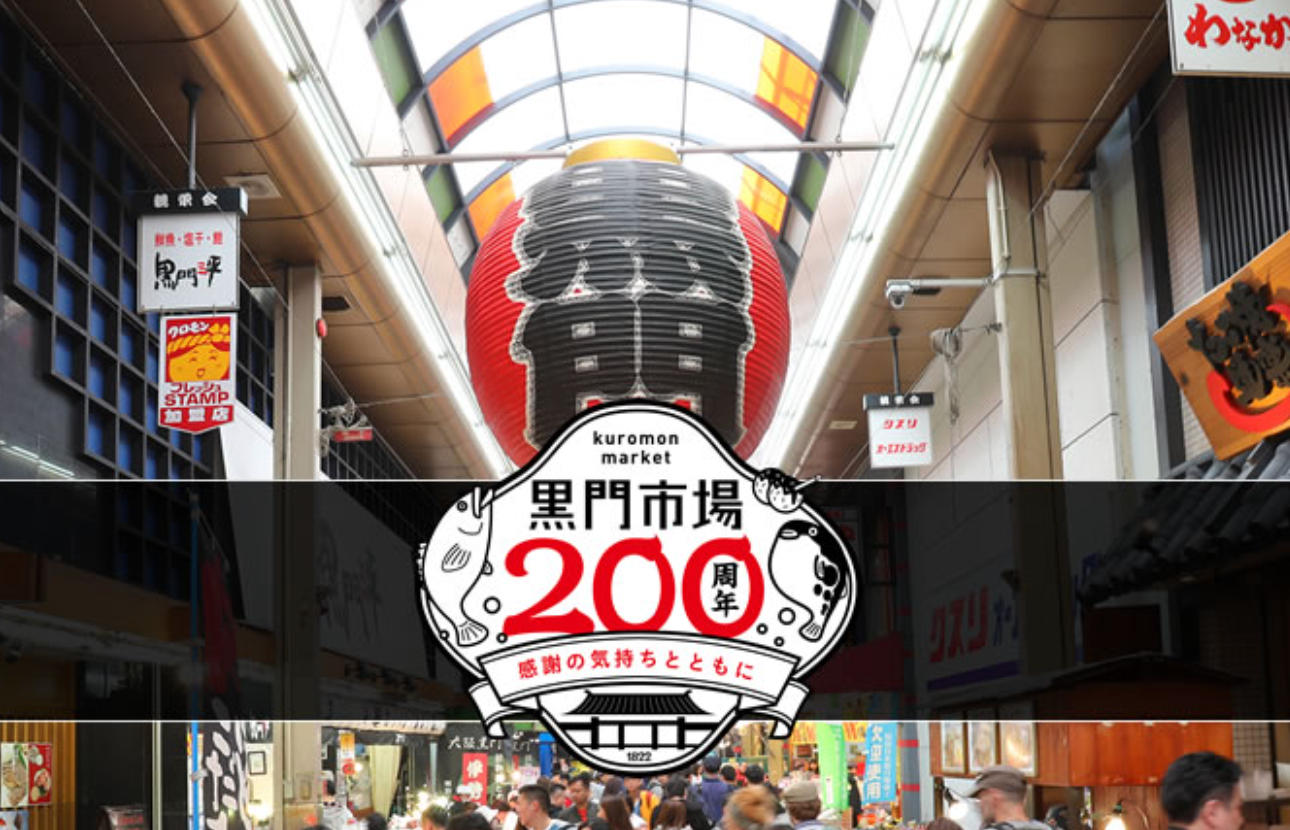
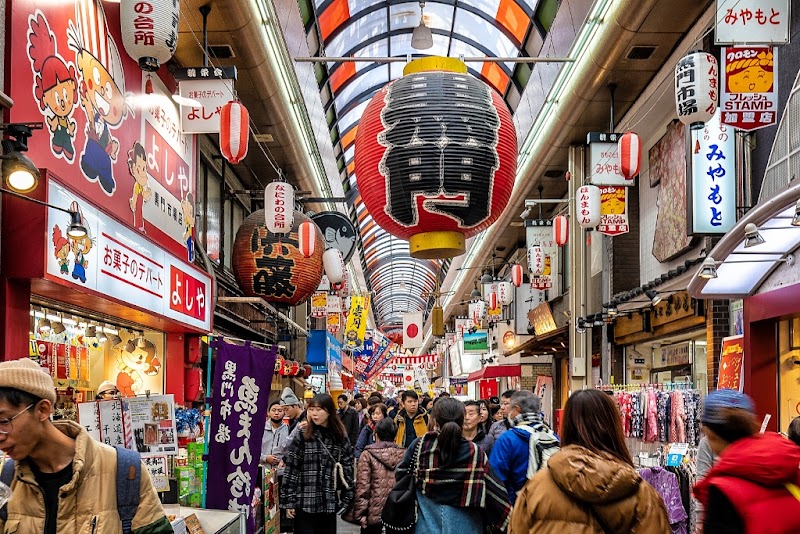
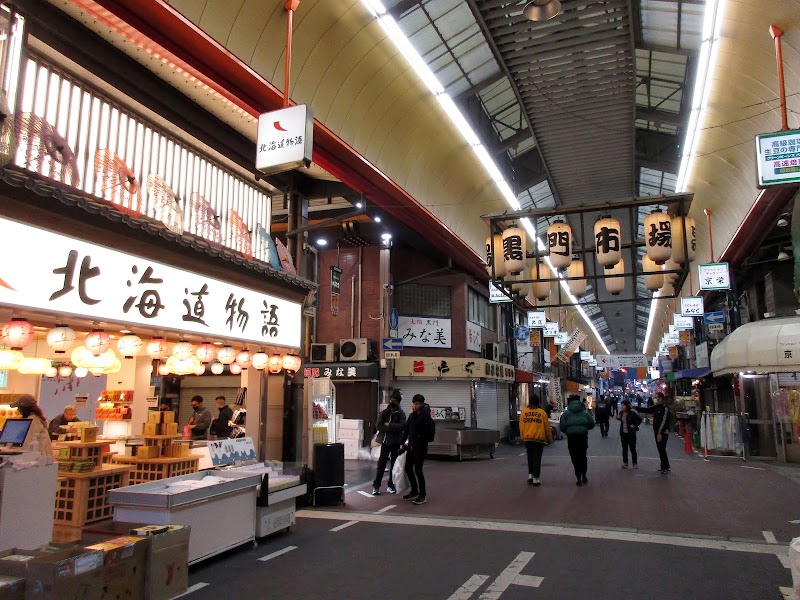
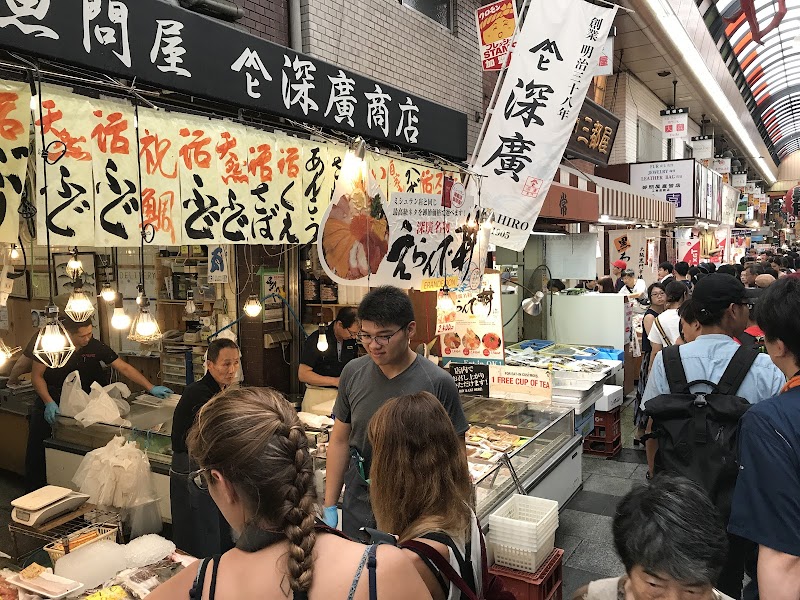
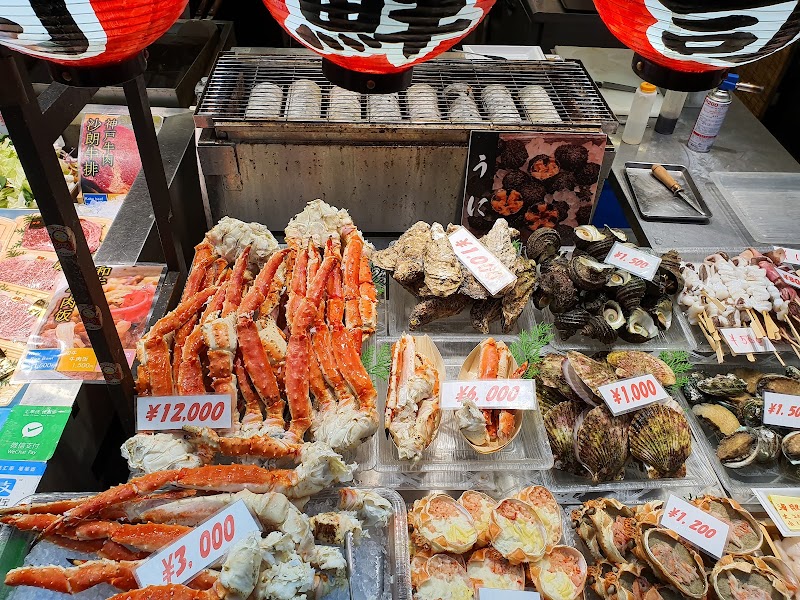
Known for over 190 years as "Osaka's Kitchen," this covered market stretches for nearly 600 meters and is where the city's top chefs do their daily shopping before most tourists have finished breakfast. The market has adapted to its growing international fame without losing its professional core—you will still see white-coated sushi masters carefully inspecting cuts of tuna at 7:00 AM, even as the tourist crowd begins filling in by mid-morning.
The vibe is professional yet welcoming, a fascinating collision of working market and food theme park. You can watch masters at work slicing ¥5,000 pieces of O-toro (fatty tuna) with knives that cost more than a laptop, or stand mesmerized as a vendor grills scallops right in front of you, the butter melting and bubbling in the shell while the sweet ocean flesh turns golden. For the adventurous eater, Kuromon offers sea urchin served directly from its spiny shell, sliced pufferfish (fugu) arranged in translucent flower patterns, and skewers of wagyu beef that drip with marbled fat as they turn over charcoal. Budget tip: Arrive before 9:00 AM when some vendors offer discounted "morning sets" to attract the early crowd. For the full market experience, see also our 03-osaka-sushi-guide for the best sushi stalls inside Kuromon.
4. Tenma & Tenjinbashisuji (天満) – The Local's Secret
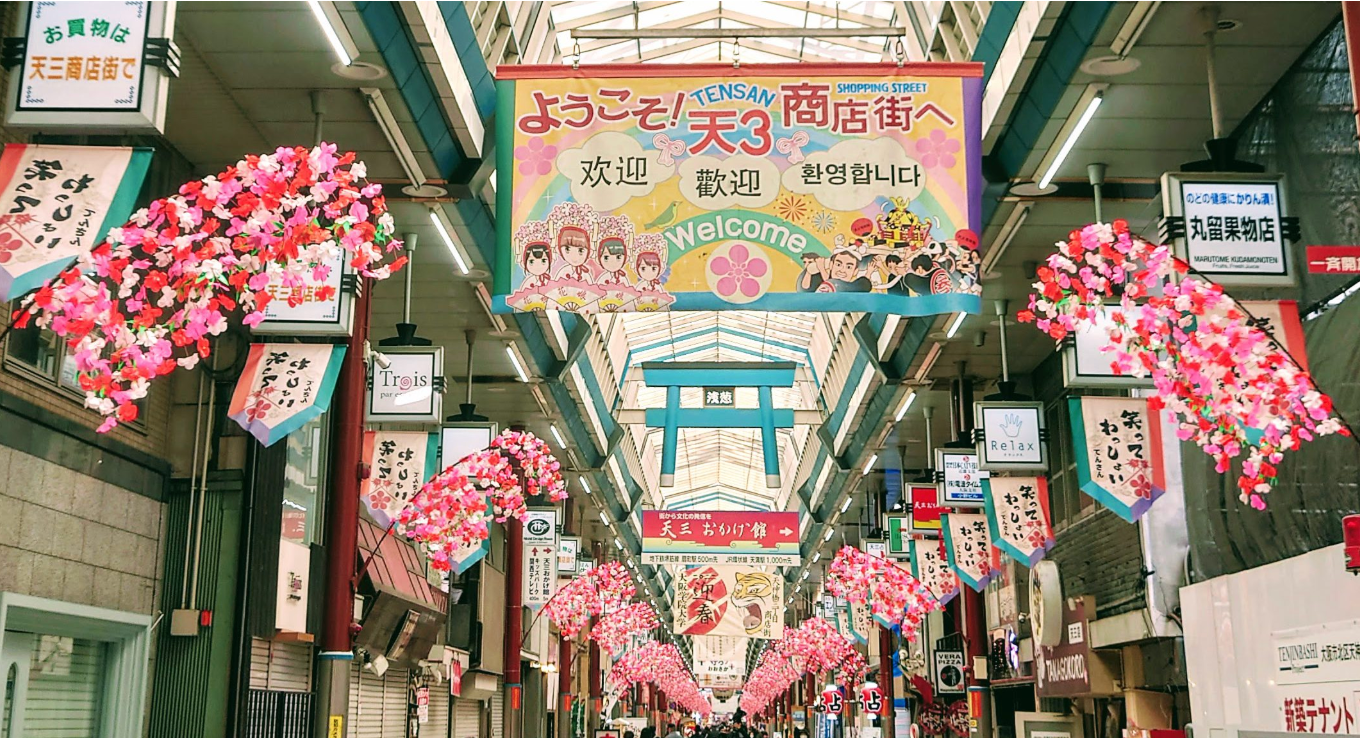
If you want to escape the tourist crowds and eat where real Osakans eat—the taxi drivers, the office workers, the grandmothers who have been shopping at the same stalls for decades—head north to Tenma. This neighborhood is home to Japan's longest covered shopping arcade at 2.6 kilometers, a seemingly endless tunnel of small shops, family restaurants, and food stalls where the prices are shockingly low and the quality is maintained by the unforgiving standards of a hyper-local clientele who will simply stop coming if the food drops below their expectations.
The vibe is authentic, gritty, and incredibly cheap. This is where the local "Salarymen" gather after work, loosening their ties at standing bars and ordering rounds of beer with plates of yakitori. The takoyaki here costs 30% less than Dotonbori and is often made by vendors who have been perfecting their technique for longer than most tourists have been alive. Sarah should specifically seek out the tiny standing udon stalls in the arcade—a bowl of thick, hand-cut noodles in Osaka's signature light dashi broth costs under ¥400 and is one of the purest expressions of the city's culinary philosophy.
5. Amerikamura (アメリカ村) – The Youth Food Lab
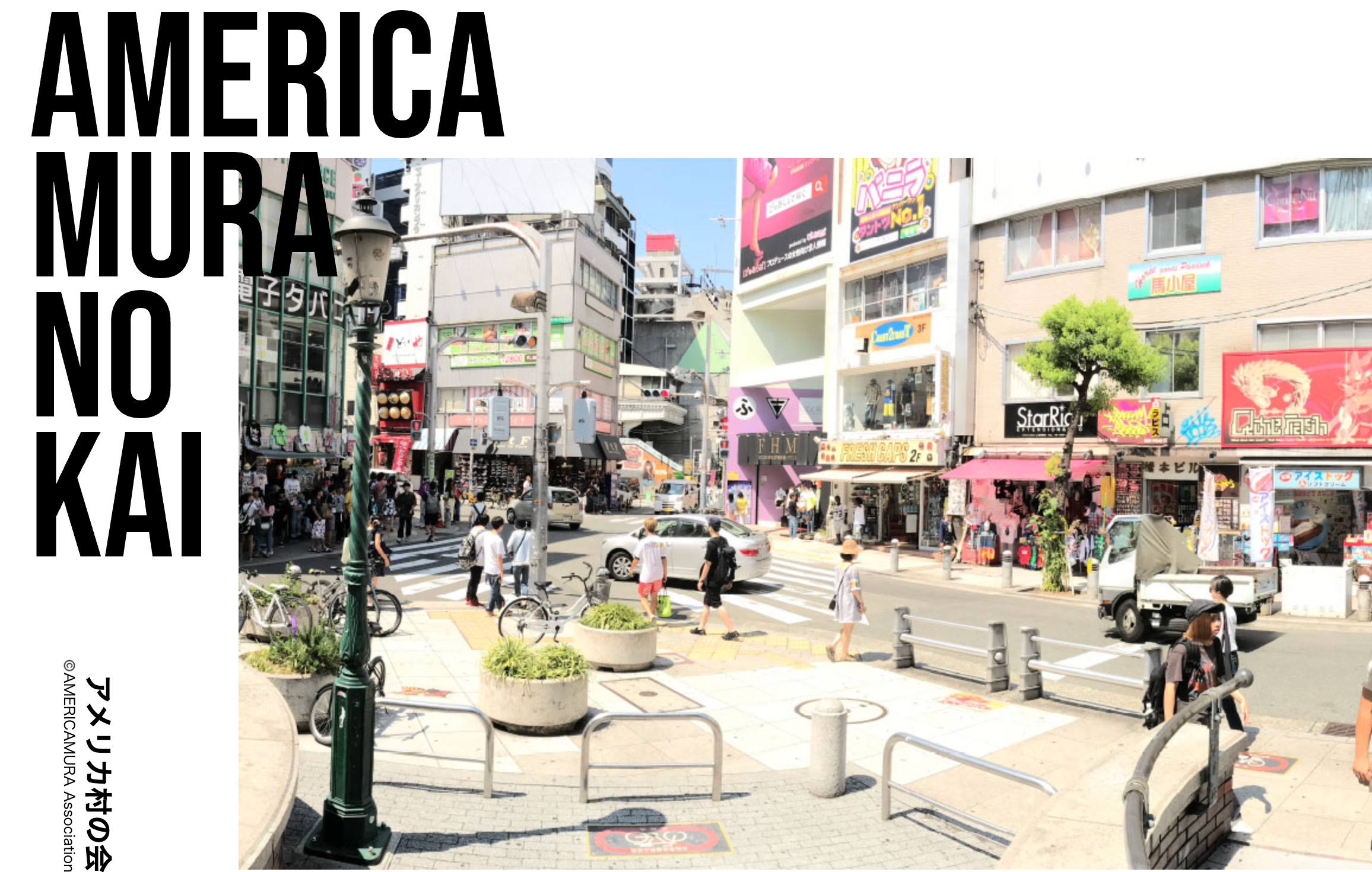
Nestled between Dotonbori and Shinsaibashi, Amerikamura (American Village) is Osaka's counterculture hub and a hotbed of food innovation. While the other districts are defined by tradition, Amemura is where young chefs experiment with fusion concepts that would make purists gasp—and then come back for seconds. Think matcha-flavored takoyaki, Korean-Japanese fusion corn dogs coated in ramen noodle crumbs, and towering soft-serve ice cream cones that bend the laws of physics. The food here is Instagram-ready by design, but do not dismiss it as mere aesthetics—the competition among young vendors is fierce, and only the genuinely delicious survive more than a season.
Top 20 Street Foods You Must Try in Osaka
We have curated this list to include the absolute essentials and the rising stars of the 2026 local scene. For each item, we provide the context, the flavor profile, and exactly where to find the best version in the city.
1. Takoyaki (たこ焼き) – The King of Osaka
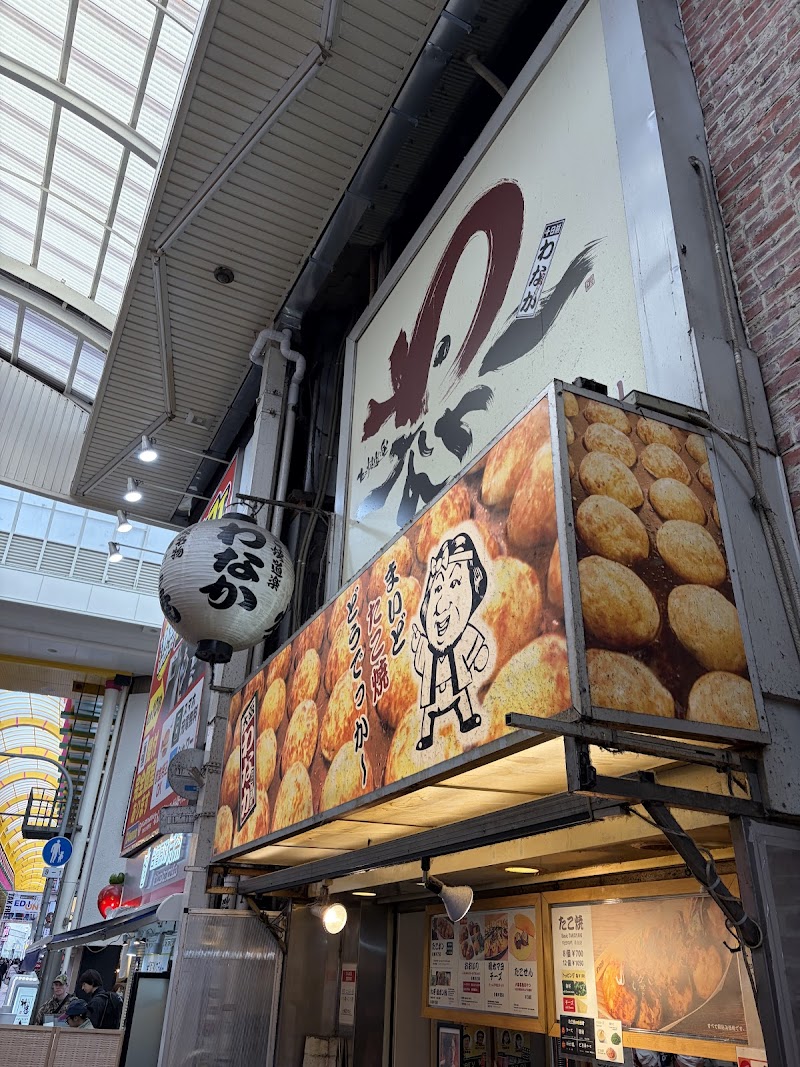
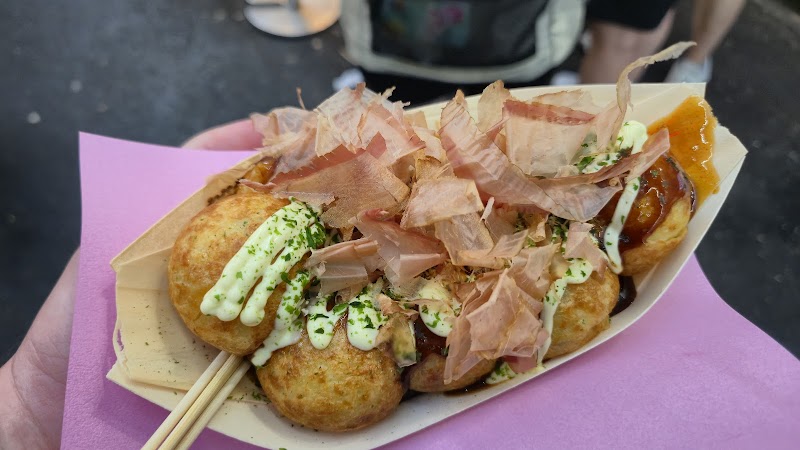
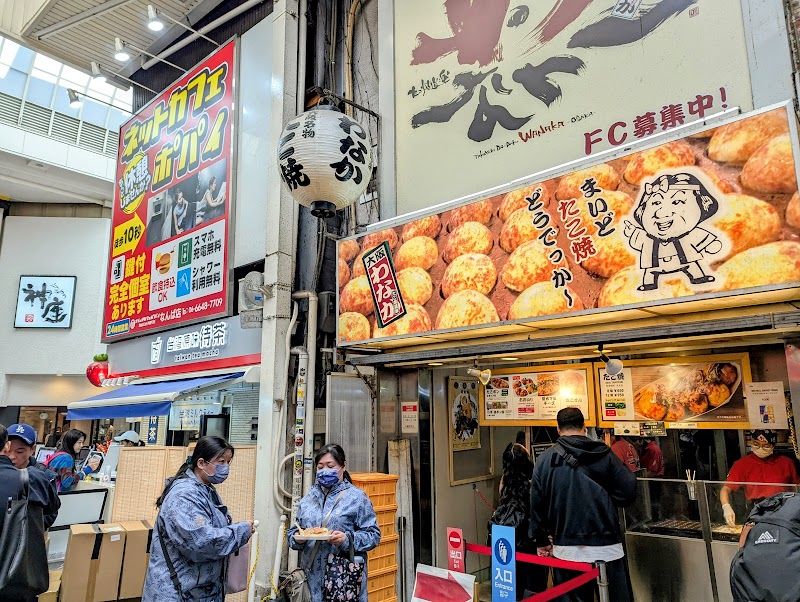
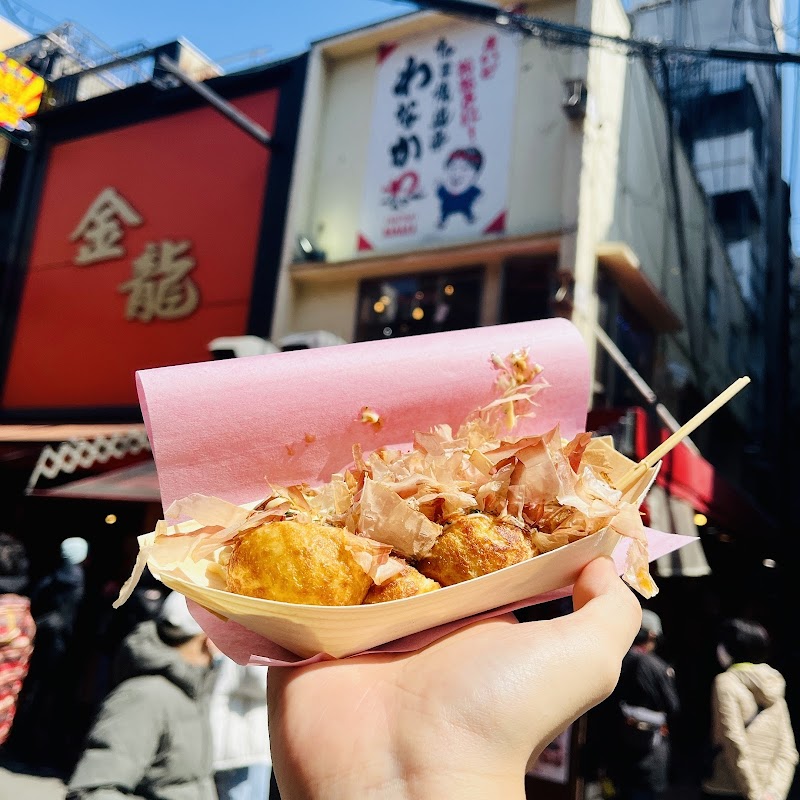
Takoyaki is the undisputed symbol of Osaka, a food so deeply intertwined with the city's identity that many Osakans grow up with a takoyaki pan in their kitchen alongside the rice cooker and the kettle. These golden spheres of savory batter are filled with a piece of tender octopus (tako), pickled ginger (beni shoga), green onion, and tempura scraps (tenkasu), then grilled in specially designed cast-iron molds until the exterior is crisp and the interior remains a flowing, almost molten center of savory cream. The Osaka twist that distinguishes true Osaka takoyaki from all imitations: the inside is intentionally left "toro-toro" (creamy/liquid), creating a dramatic contrast between the crispy shell and the lava-like interior that will burn your mouth if you are not patient enough to let it cool.
Where to try: Wanaka (わなか) near Namba Station is the perennial local favorite—their takoyaki has a thin, lacquered crust and a filling so creamy it borders on broth. For a more upscale experience, Kukuru (くくる) in Dotonbori uses whole baby octopus and offers creative flavor variations including mentaiko (spicy cod roe) and cheese. For the purist, Aizuya (会津屋) in Tamagawa is considered the birthplace of takoyaki itself—they serve the original version without sauce, relying entirely on the dashi-flavored batter to carry the taste. Price: ¥500 to ¥700 for 8 pieces.
2. Okonomiyaki (お好み焼き) – Savory "Pizza" Pancake
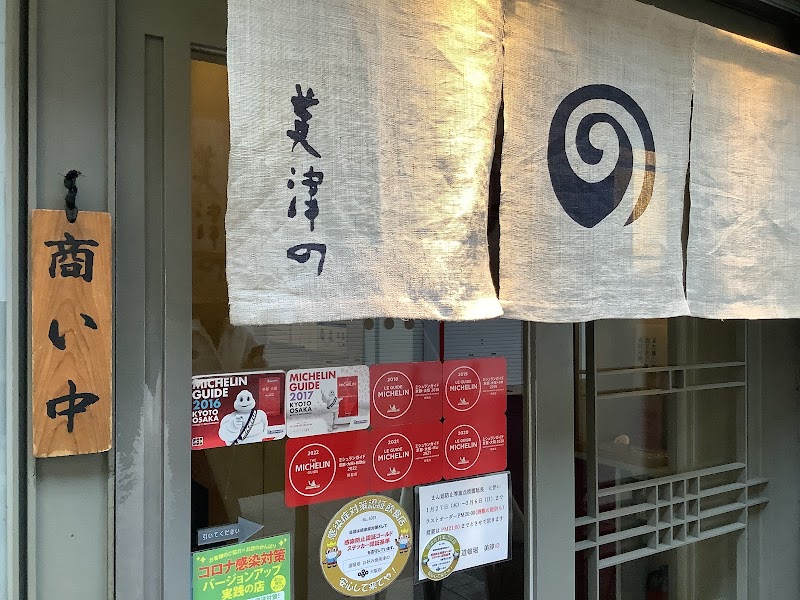
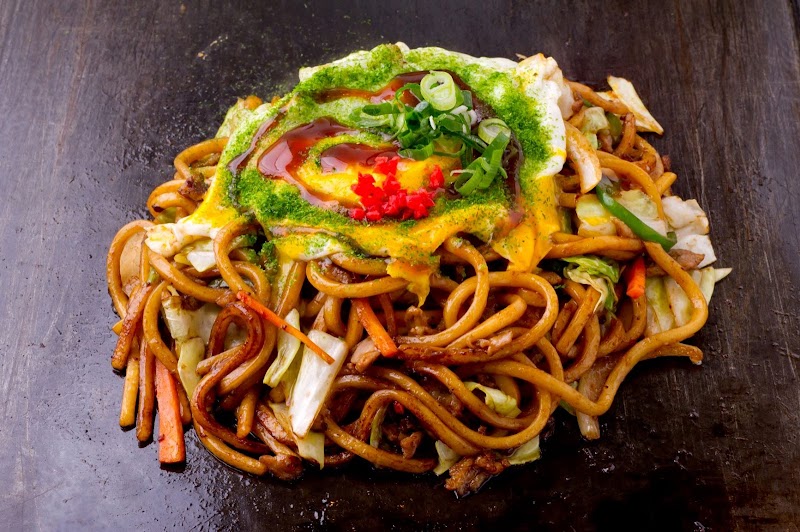
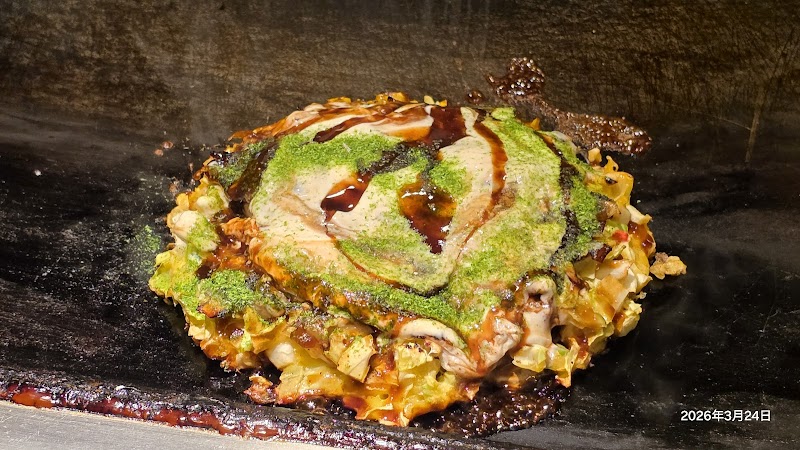
Often called "Japanese Soul Food" or "Japanese pizza," okonomiyaki is a thick savory pancake made from a batter of flour, mountain yam (which gives it an ethereal fluffiness), eggs, and shredded cabbage, mixed with your choice of fillings—typically pork belly, shrimp, squid, or cheese. In Osaka, the "Osaka-style" method means everything is mixed together in a bowl before hitting the grill, resulting in a thick, fluffy disc that bears little resemblance to the Hiroshima style, where ingredients are layered. The pancake is cooked until golden and crispy on both sides, then painted with a sweet, tangy brown sauce, zigzagged with creamy Kewpie mayonnaise, and showered with dancing bonito flakes that wave in the rising heat as if the dish itself is alive.
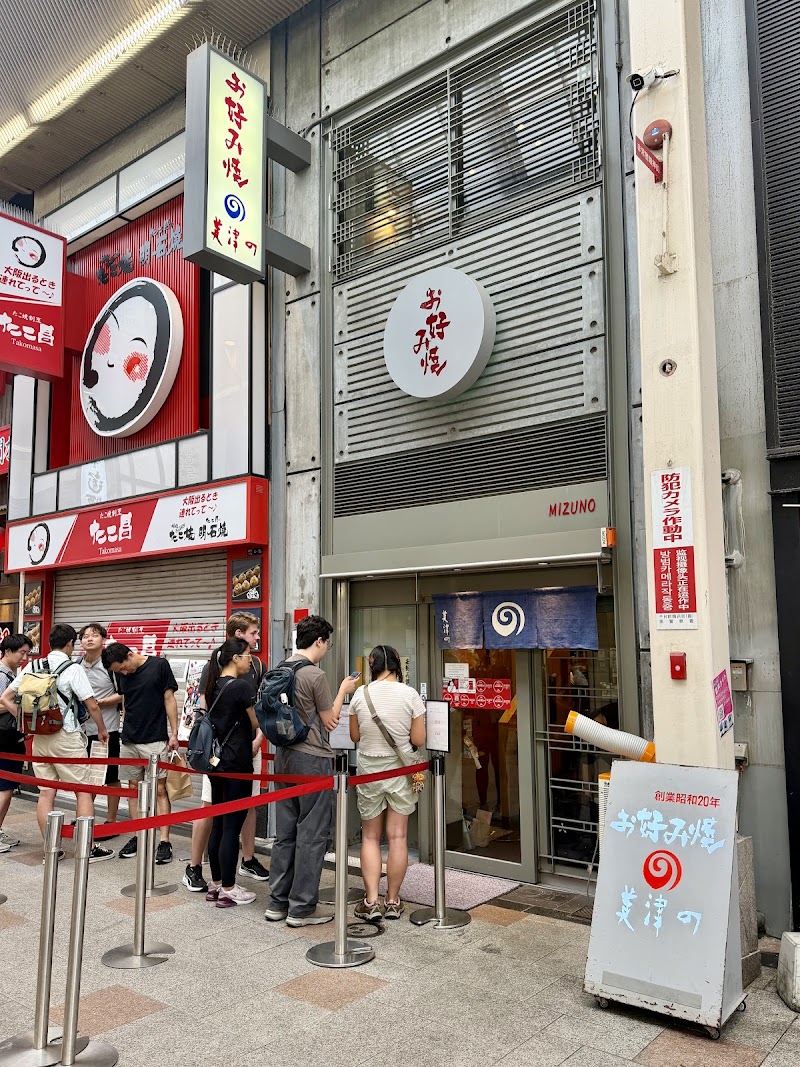
Where to try: Mizuno (美津の) in Dotonbori has been serving since 1945 and is widely considered the gold standard—their yam-enriched batter creates a texture so light and airy it seems to defy the laws of physics for something that involves that much cabbage. Kiji (きじ) in Umeda's Shin-Umeda food alley is a hidden gem where the chef cooks each okonomiyaki with theatrical flair on a teppan iron griddle directly in front of you. Price: ¥900 to ¥1,500.
3. Kushikatsu (串カツ) – The Deep-Fried Delight
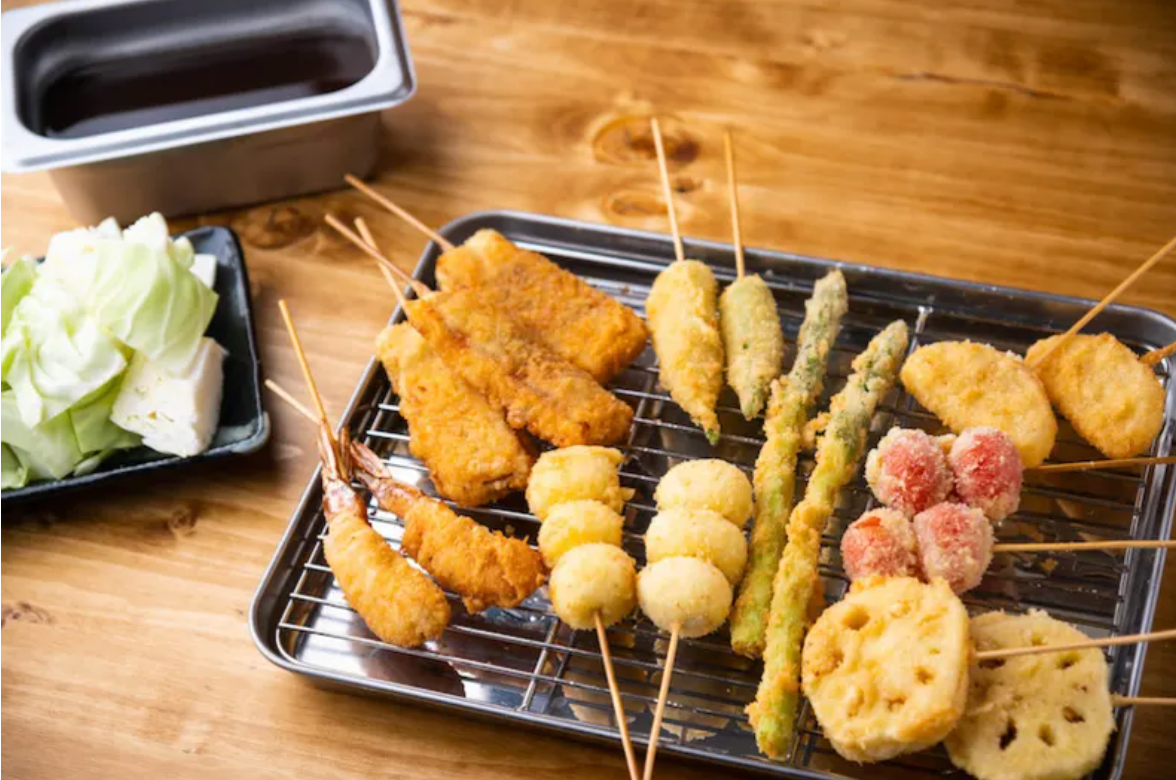
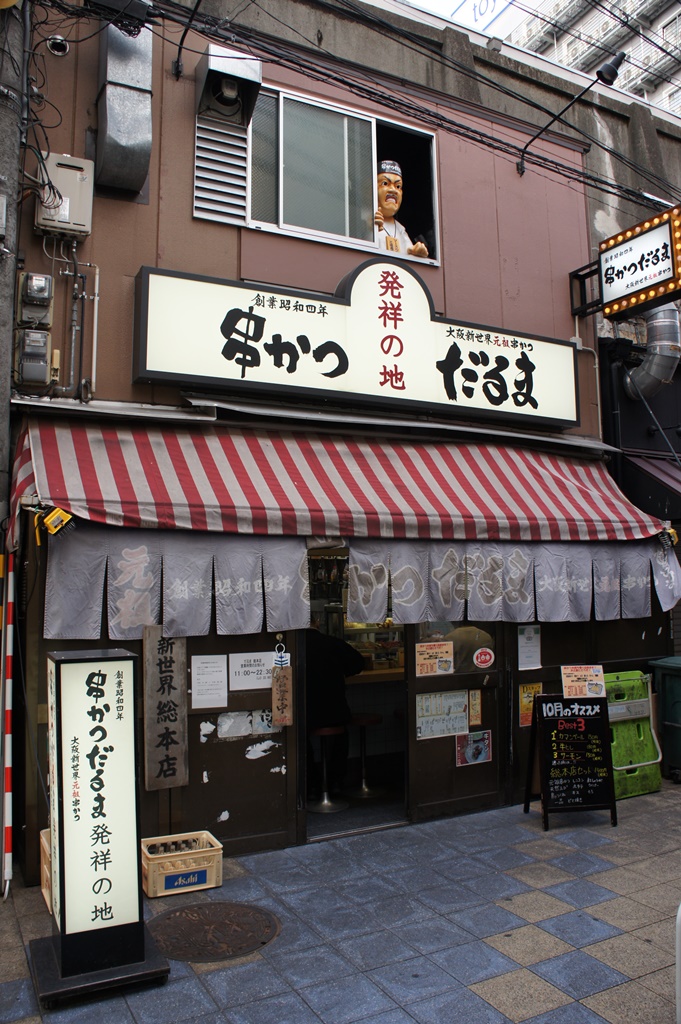
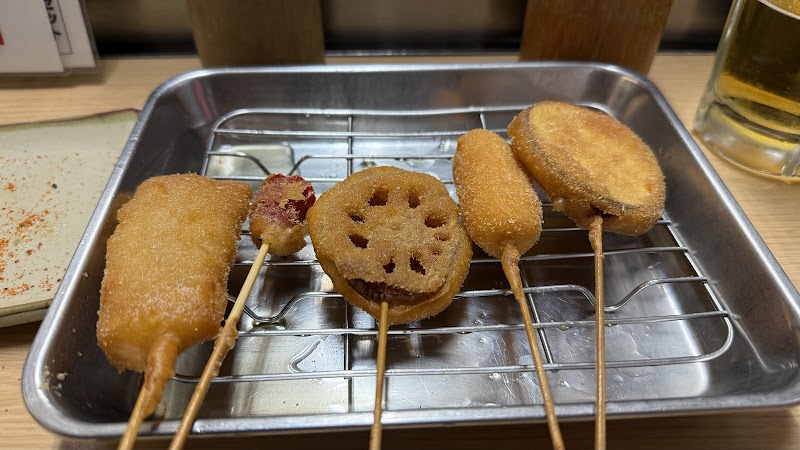
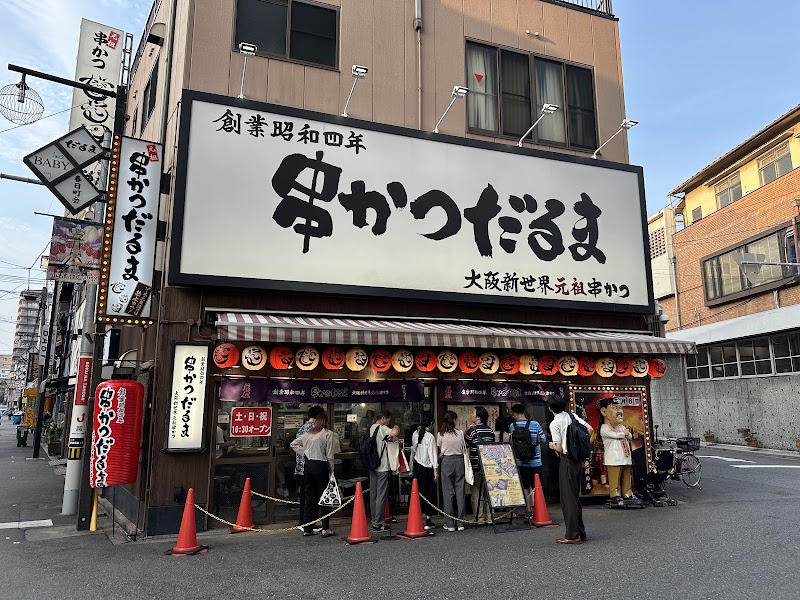
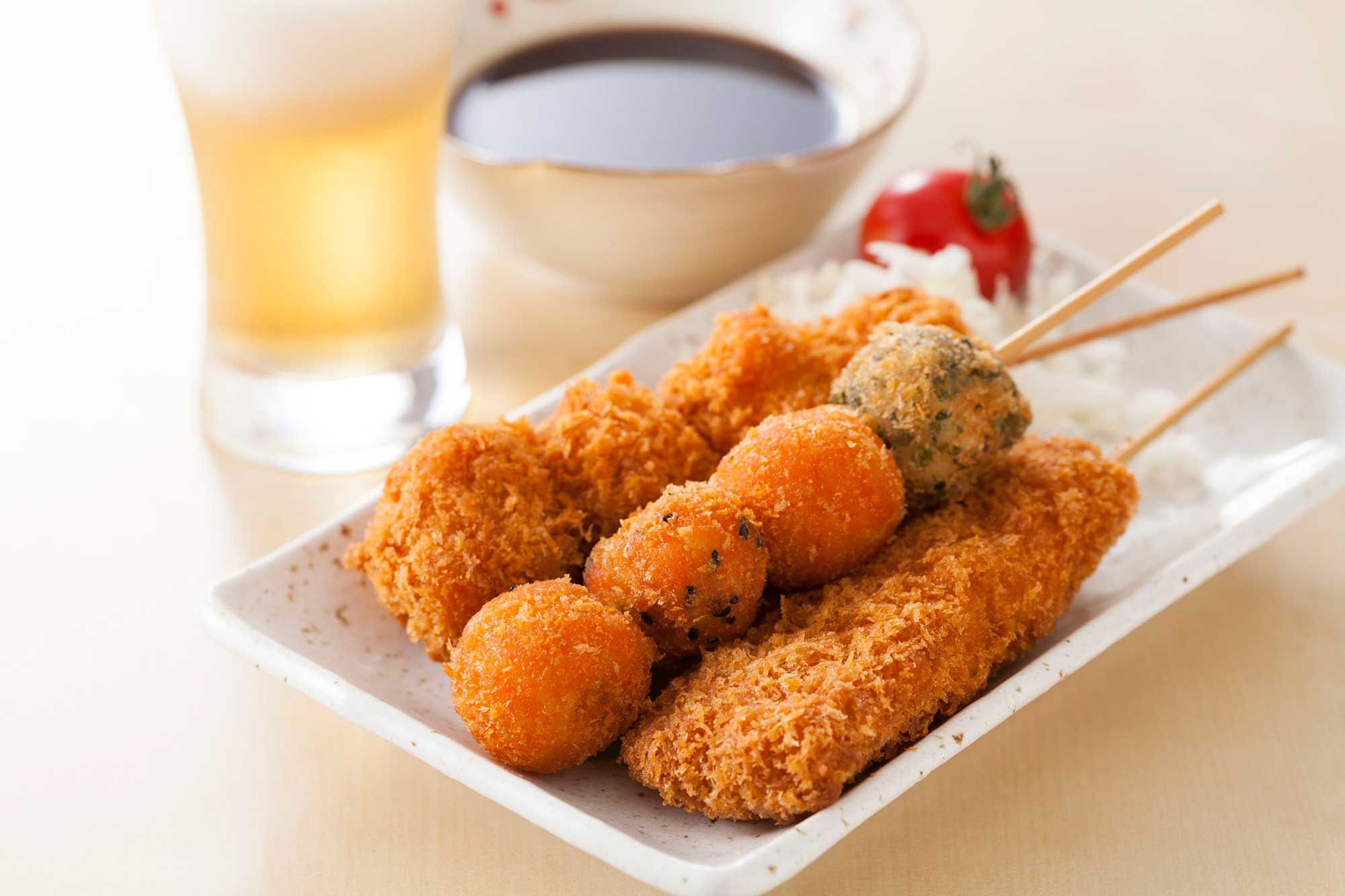
Breaded and deep-fried skewers of meat, seafood, and vegetables, kushikatsu is Shinsekai's gift to the world. The variety is endless and part of the joy is exploring the menu: try the lotus root (Renkon) for its satisfying crunch, the quail egg (Uzura) for its creamy yolk surprise, the shiso-wrapped pork for its herbal brightness, or the mochi (rice cake) for its unexpectedly chewy, gooey interior beneath the crispy shell. Each skewer is dipped in a light panko breadcrumb coating and fried at high temperature for just seconds, producing an impossibly thin, shatteringly crisp shell around a perfectly cooked interior.
Where to try: Daruma (だるま) is the most iconic chain, recognizable by the angry-looking Daruma figure out front. For a more local experience, try Yaekatsu (八重勝) in Shinsekai, which has been operating since the 1940s and where the oil is changed multiple times per day to maintain its legendary crispness. Price: ¥100 to ¥200 per skewer; a satisfying meal is usually 10 to 15 skewers (¥1,200 to ¥2,500).
4. Ikayaki (イカ焼き) – The Grilled Squid Pancake
Unique to Osaka and virtually unknown outside the Kansai region, ikayaki is a "squid pancake" made by pressing whole squid and a thin wheat batter between two scorching hot iron plates. The result is a flat, chewy, intensely savory creation that is salty, slightly sweet from the caramelized squid, and wonderfully smoky from the iron press. It is the kind of food that sounds simple on paper but delivers a complexity of flavor that keeps you coming back. The most famous spot is the ikayaki stand in the Hanshin Department Store basement in Umeda, where the line of salarymen and housewives stretches past neighboring shops during lunch hours. They have been making the same recipe for decades, and there is a reason they have never needed to change it. Price: ¥200 to ¥400.
5. Butaman (豚まん) – Steamed Pork Buns
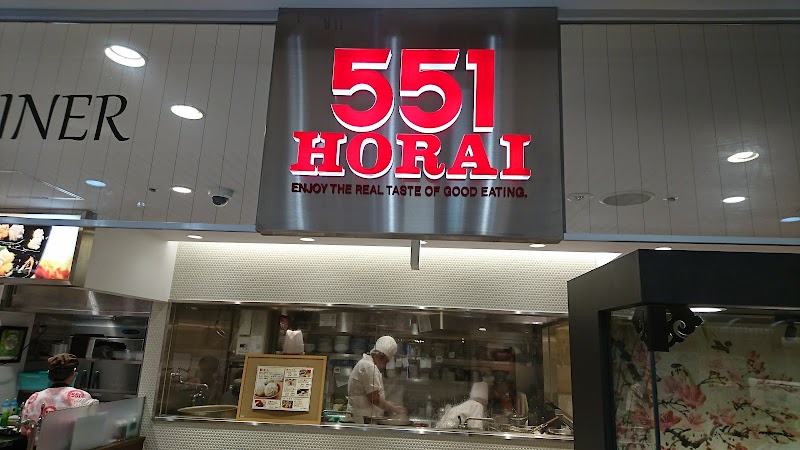
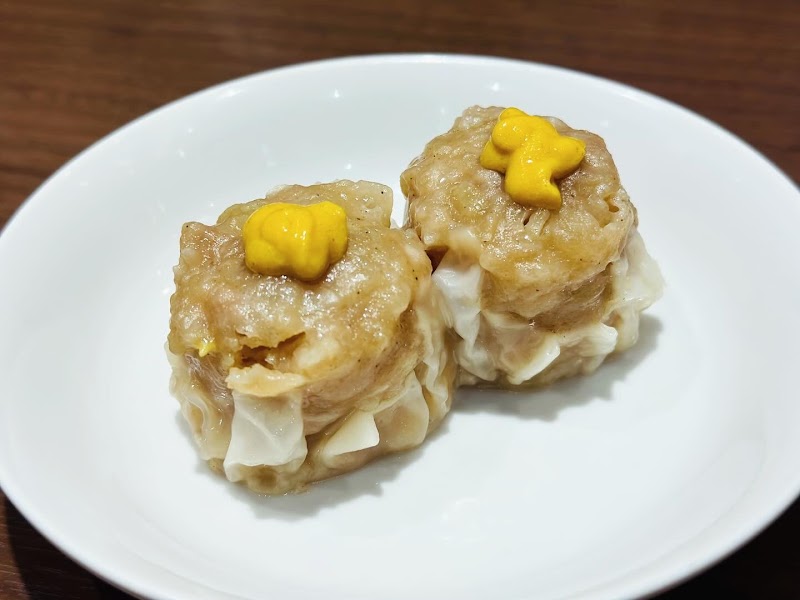
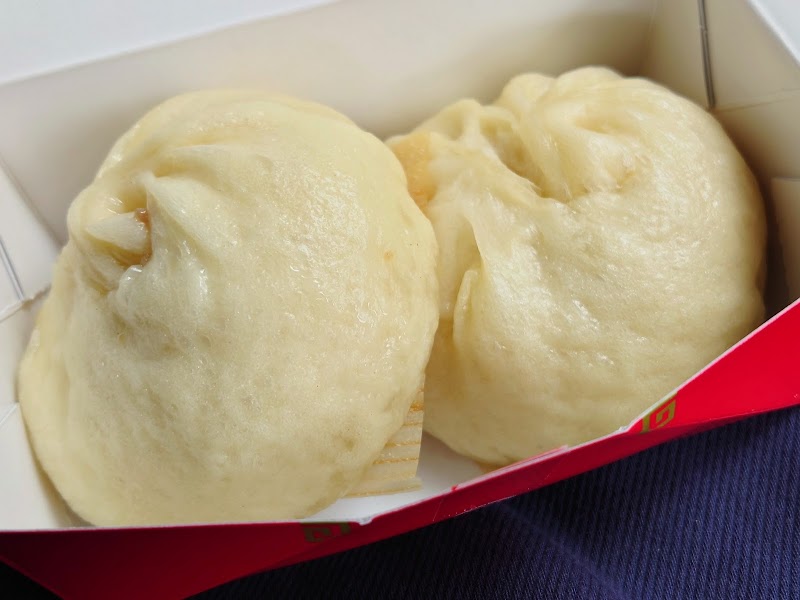
The legendary brand is 551 Horai (551蓬莱), and in Osaka, these steamed pork buns are called "Butaman," never "Nikuman" (the Tokyo term). This distinction matters to Osakans in the same way that calling soda "pop" matters in certain American cities—it is a marker of local identity. The 551 Horai butaman is a work of precise engineering: a thin, slightly sweet dough wraps around a filling of seasoned pork and onions that has been ground to the perfect texture—coarse enough to feel substantial but fine enough to release a burst of savory, slightly gingery juice with every bite. The buns are steamed fresh continuously throughout the day, and the aroma that wafts from every 551 Horai storefront is so distinctive and so irresistible that Osakans joke about it being an "invisible advertisement." You can identify a 551 location with your eyes closed. They are best eaten piping hot while standing on a street corner, the steam curling from the torn paper bag into the city air. Price: ¥200 per bun, ¥380 for two.
6. Negiyaki (ねぎ焼き) – Green Onion Power
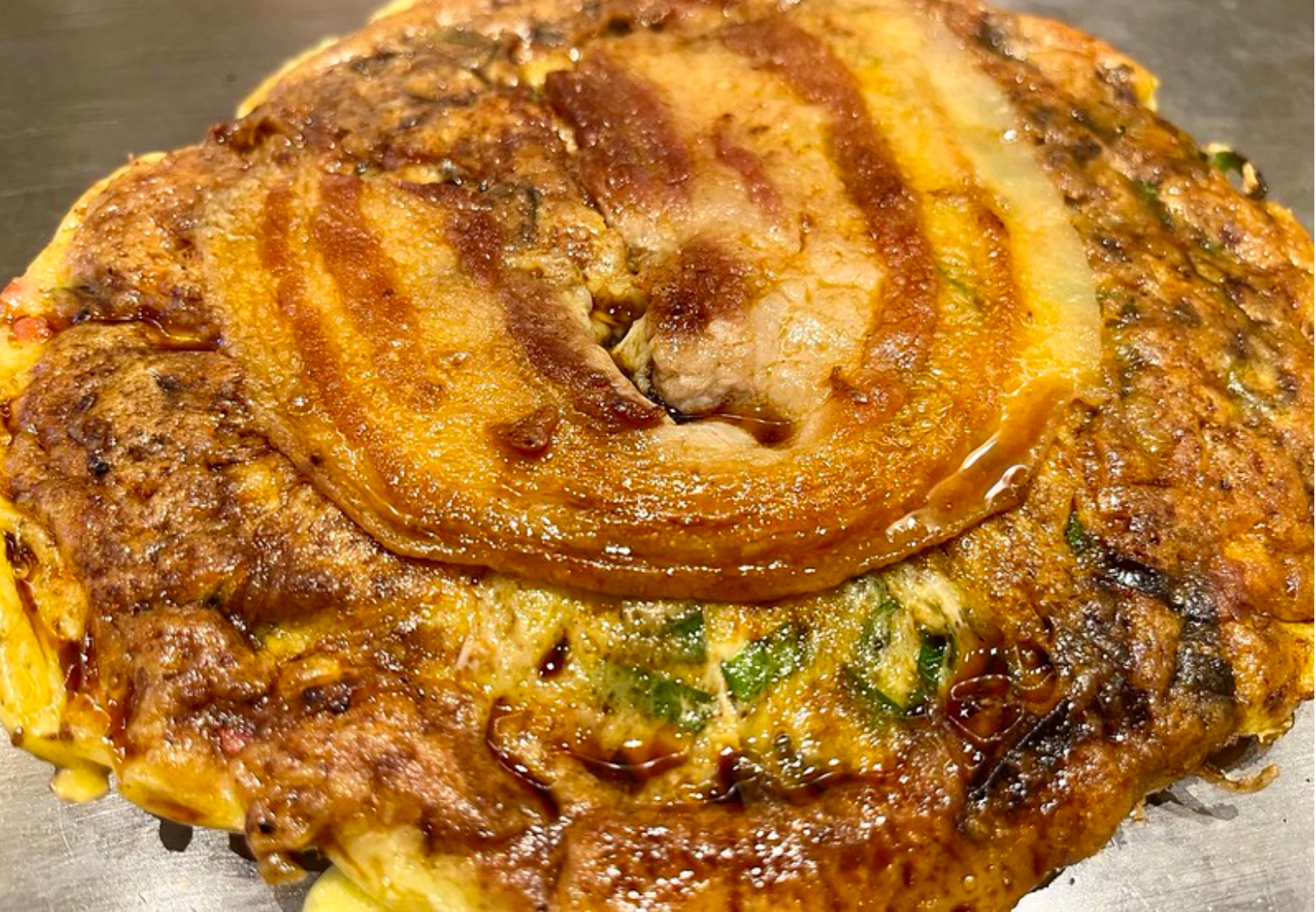
A variation of okonomiyaki that replaces the cabbage with massive quantities of green onions (negi), creating a thinner, more aromatic pancake with a distinctly different character—herbaceous, slightly sharp, and beautifully charred where the onions meet the griddle. While okonomiyaki is a meal of comforting density, negiyaki is lighter and usually seasoned with soy sauce and a squeeze of lemon instead of the heavy brown sauce and mayo. It pairs exceptionally well with cold beer, making it a favorite in the izakaya (pub) scene. Try it at Negiyaki Yamamoto (ねぎ焼やまもと) in Umeda's Shin-Umeda food alley—they are the pioneers of this style and have been perfecting it for over forty years. Price: ¥800 to ¥1,200.
7. Mitarashi Dango (みたらし団子) – Sweet Soy Dumplings
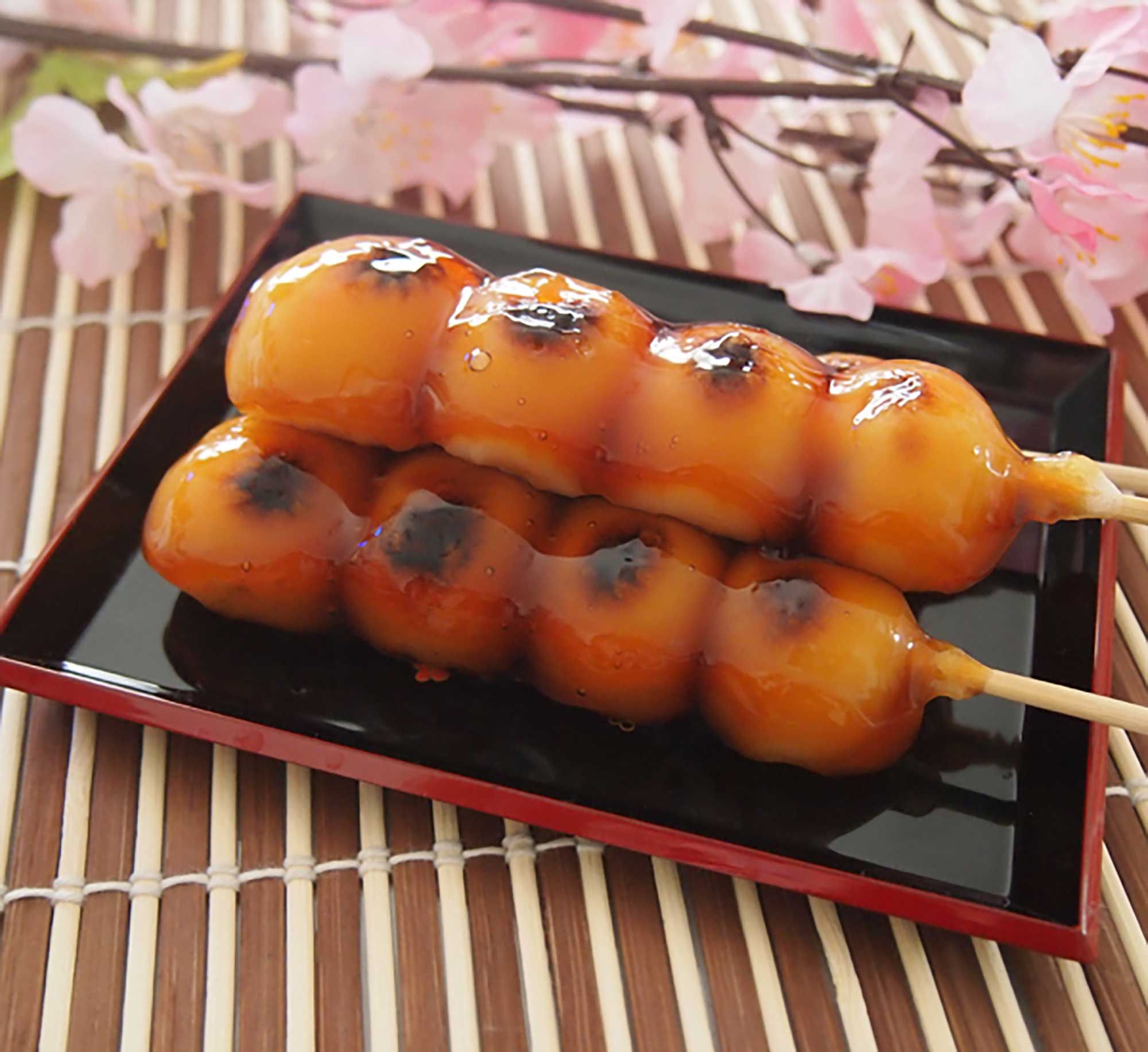
Chewy rice flour balls skewered on a bamboo stick, charred slightly on a grill until the exterior develops a thin, crackling skin, then coated in a thick, glossy glaze of sweet soy sauce that walks the perfect line between dessert and savory snack. The warmth of the fresh dango, the chewiness of the mochi-like texture, and the caramelized sweetness of the glaze create a simple pleasure that has been satisfying Osakans for centuries. Find them at shrine festivals, temple approaches, and in the traditional sweets (wagashi) shops scattered throughout the Tenma shopping arcade. Price: ¥150 to ¥300 per stick.
8. Taiyaki (たい焼き) – The Fish Waffle
A fish-shaped waffle filled with sweet red bean paste (anko), taiyaki is one of Japan's most beloved street snacks—the shape representing tai (sea bream), a symbol of good luck and celebration. The batter is poured into a fish-shaped iron mold, filled with smooth or chunky anko, and pressed shut until the exterior is golden and crispy while the filling becomes warm and molten. In 2026, modern fillings have expanded the taiyaki universe: matcha custard, chocolate ganache, truffle cheese, and even savory versions filled with ham and cheese or curry. The debate between "thin tail" (more crispy, less filling) and "thick tail" (more filling, softer overall) is one that Osaka takes surprisingly seriously. Price: ¥200 to ¥400.
9. Korokke (コロッケ) – Potato Croquette
Simple, crispy, and comforting, korokke is the street food equivalent of a warm hug. A mixture of mashed potato and seasoned ground beef (or pork, or curry, or cream corn) is shaped into an oval patty, coated in breadcrumbs, and deep-fried until the exterior shatters like glass and the interior steams with creamy, savory warmth. The best ones are found at local butcher shops (nikuya) in the covered shopping arcades, where they are made fresh throughout the day and sold for pocket change. Price: ¥100 to ¥200.
10. Kitsune Udon (きつねうどん) – The Comfort Bowl
Osaka's standing udon stalls are a staple of the street food scene, serving bowls of thick, hand-cut wheat noodles in the city's signature light, clear dashi broth. Kitsune udon features a large piece of sweet, fried tofu (Aburaage) draped over the noodles like a golden blanket—the tofu has been simmered in a sweet soy and mirin mixture until it becomes a sponge of rich, syrupy flavor that releases its sweetness into the broth as you eat. The dish is a study in contrasts: the clean, oceanic clarity of the dashi against the sweet richness of the tofu, the chewy resilience of the noodles against the soft, yielding texture of the aburaage. It is comfort in a bowl, and at under ¥500 at most standing stalls, it is one of the best-value meals in the city. Born in Osaka, this is considered one of the city's original contributions to Japanese cuisine.
11. Grilled Scallops (Hotate) – Kuromon Market's Crown Jewel
In Kuromon Market, you can find palm-sized Hokkaido scallops grilled in their shells over charcoal, with nothing more than a knob of butter, a splash of soy sauce, and the patient attention of a vendor who knows exactly when the flesh reaches that magical moment of caramelized sweetness on the surface while remaining translucent and juicy within. The butter melts and pools in the shell, mixing with the natural brine of the scallop to create a sauce so good that you will find yourself tilting the shell to drink every last drop. Price: ¥500 to ¥800 per scallop.
12. Strawberry Mochi (Ichigo Daifuku)
A soft, pillowy rice cake wraps around a whole fresh strawberry and a layer of smooth sweet bean paste, creating a dessert that is at once chewy, juicy, sweet, and subtly earthy. The best versions use seasonal strawberries that are so ripe they burst when you bite through the mochi shell, flooding your mouth with fresh juice that mingles with the gentle sweetness of the anko. Perfect for spring (February through April) when Japanese strawberries reach their peak sweetness. Price: ¥300 to ¥500.
13. Horumon-yaki (ホルモン焼き) – Grilled Offal
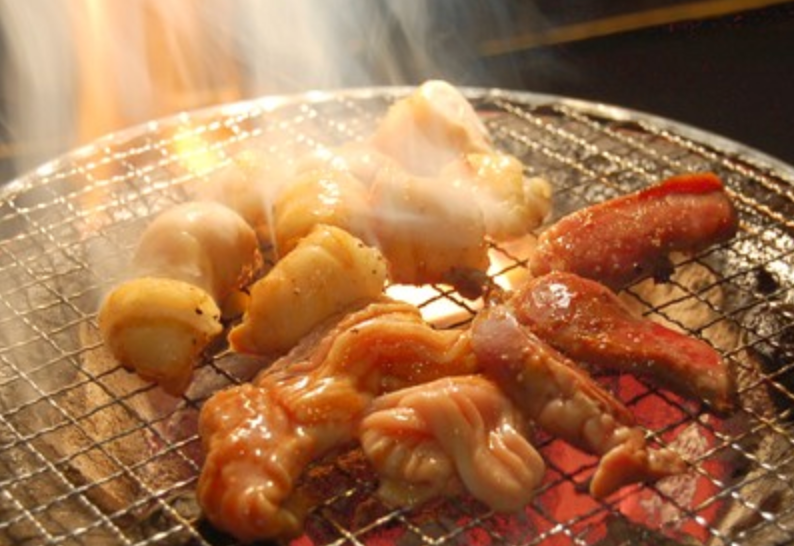
For the adventurous eater, horumon-yaki is grilled offal—tripe, intestine, liver, and heart—seasoned with a spicy miso-based sauce and charred over high heat until the exterior is crispy while the interior retains a rich, fatty chewiness. This is a staple of "Deep Osaka" culture, the kind of food that locals eat at tiny, smoke-filled counters in the back streets of Tsuruhashi or Shinsekai, washed down with cold draft beer. The flavors are bold and unapologetic—exactly what you would expect from a city that has never been interested in polite restraint. Price: ¥300 to ¥600 per portion.
14. Tamagoyaki-on-a-Stick – The Rolling Omelet
A sweet and savory Japanese rolled omelet, cooked layer by layer on a rectangular griddle until it forms a golden, striped log of delicate egg custard. Street vendors often serve it on a stick for easy walking consumption, and the best stalls make them fresh to order—you can watch the cook patiently rolling each thin layer of egg into the next, building the omelet one translucent sheet at a time. Price: ¥300 to ¥500.
15. Yakisoba (焼きそば) – Fried Noodle Festival
Thick wheat noodles fried with pork belly, cabbage, and a tangy, sweet sauce on a massive outdoor griddle, topped with pickled ginger, aonori (green seaweed flakes), and mayonnaise. Yakisoba is the undisputed champion of Japanese festival food—no matsuri (festival) is complete without the smoky aroma of noodles hitting a hot surface. In Osaka, yakisoba is often served as a side dish to okonomiyaki, creating what locals call the "Carb-on-Carb" double play that horrifies nutritionists but delights everyone else. Price: ¥500 to ¥800.
The Physics of the Perfect Takoyaki: A Culinary Masterclass
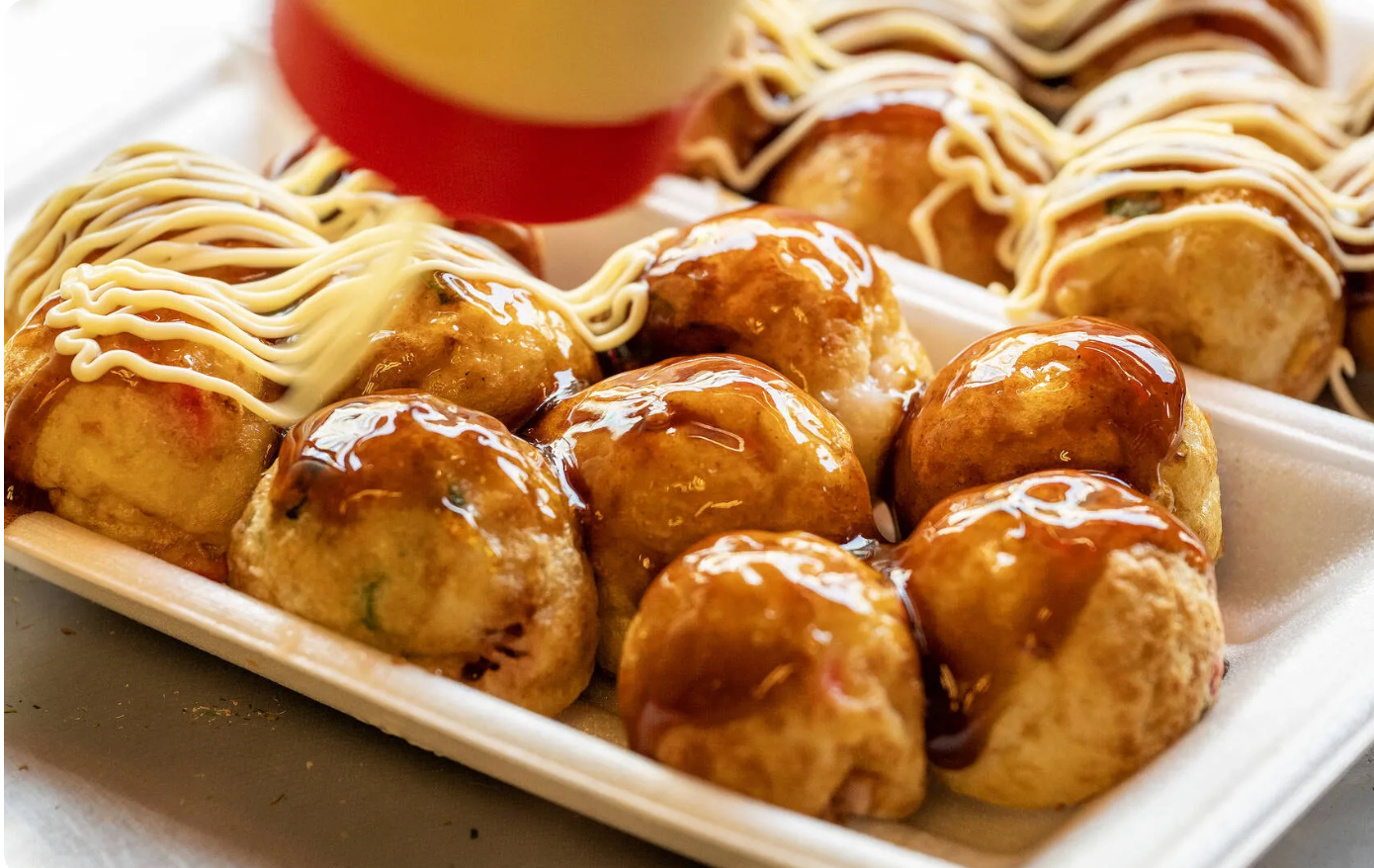
To the untrained eye, making takoyaki looks like a simple game of flipping batter balls. But for the masters of Osaka, it is a high-stakes performance of physics, timing, and muscle memory refined over thousands of hours of practice.
1. The Cast Iron Grid
The pans are heavy, cast-iron molds with hemispherical depressions that must be heated to exactly the right temperature—too hot and the exterior burns before the interior sets, too cool and the ball absorbs too much oil and becomes greasy. The best vendors can judge the temperature by the sound the batter makes when it hits the iron: a sharp, confident sizzle means the pan is ready.
2. The Pour and the "Click"
The batter is poured across the entire plate, flooding every depression and the flat spaces between them. As it sets around the edges, the chef uses two slender metal picks—extensions of their hands at this point—to carve "grid lines" separating each ball. With a practiced flick of the wrist, they rotate the forming batter 90 degrees, tucking the overflow into the hemisphere to create a hollow sphere that slowly fills with steam. The clicking sound of metal picks against cast iron is the heartbeat of Osaka's street food scene.
3. The "Gooey" Center
In Osaka, takoyaki must be gooey. This is non-negotiable. When you bite into a perfect takoyaki ball, the crispy exterior should give way to a molten center that flows out like savory lava—a creamy, dashi-rich liquid surrounding the tender piece of octopus at the core. If the center is fully solid, it is overcooked. If there is no crispy exterior, it is undercooked. The master walks a razor-thin line between these states, and the consistency with which they hit that target—ball after ball, hour after hour—is what separates a takoyaki artisan from someone who merely makes takoyaki.
Street Food Festivals (Matsuri) in Osaka: The 2026 Calendar
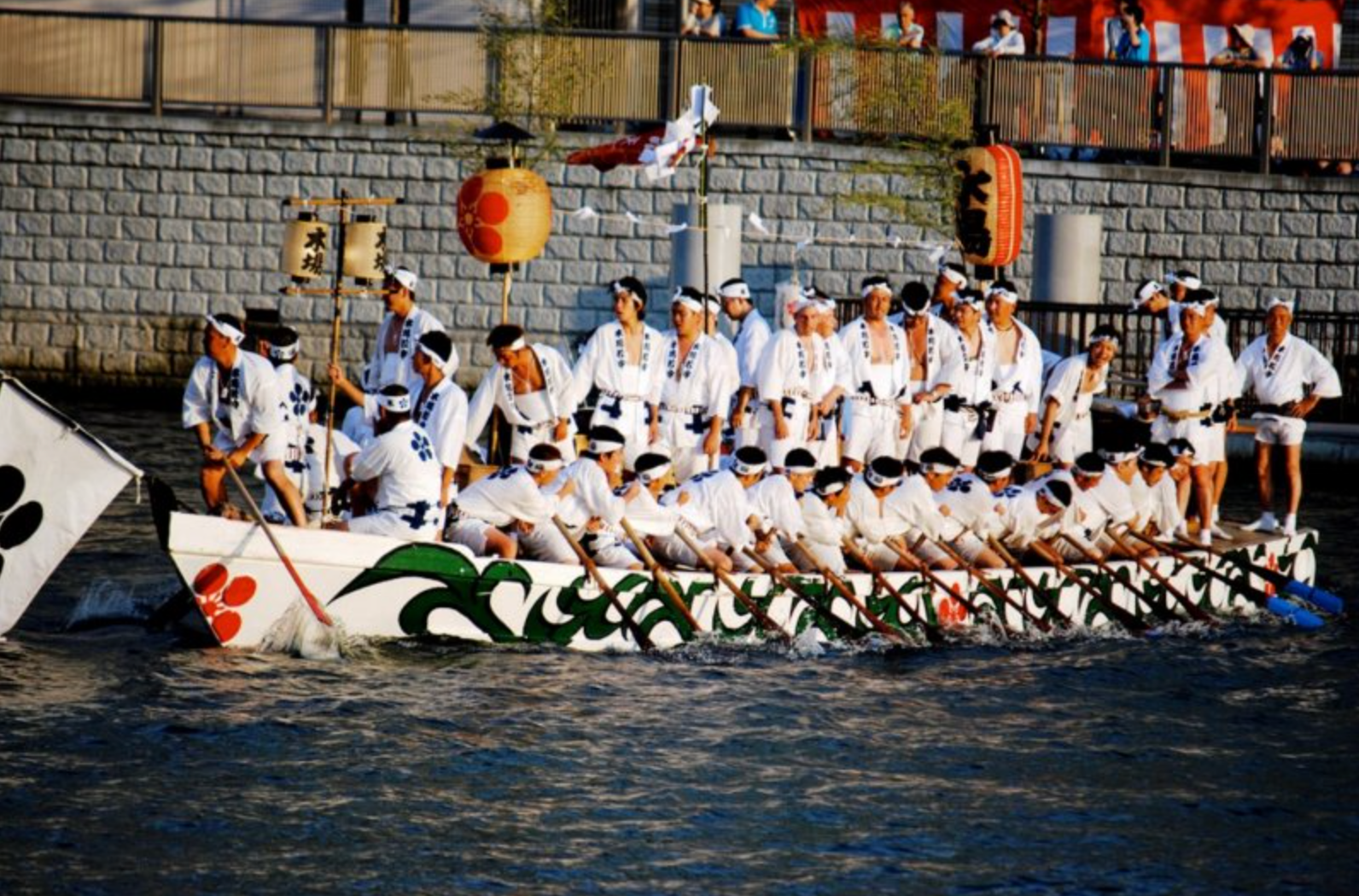
Osaka's festival calendar is punctuated by events where the street food scene goes from impressive to absolutely overwhelming, transforming entire neighborhoods into open-air food courts that stretch for kilometers.
- Toka Ebisu (January 9-11): The "Business God" festival at Imamiya Ebisu Shrine, where millions flock to pray for commercial success. The streets surrounding the shrine are packed with stalls selling everything from luck-bringing snacks to grilled whole squid on sticks, creating a corridor of food that stretches for blocks.
- The Cherry Blossom Peak (Late March - Early April): The grounds of Osaka Castle and along the Okawa River become a 24-hour hanami food festival where families and friend groups spread blue tarps under the blossoms and feast on a combination of homemade bento and street vendor food. The smell of yakisoba and yakitori mingles with the scent of falling cherry petals.
- Tenjin Matsuri (July 24-25): One of Japan's top three festivals and arguably the greatest food event of the year. Over 3,000 stalls line the streets around Osaka Tenmangu Shrine, offering every imaginable variation of festival food. The evening boat procession on the Okawa River, illuminated by thousands of lanterns and accompanied by fireworks, provides the backdrop for one of the most memorable eating experiences on earth.
- Kishiwada Danjiri (September): Famous for its dangerously fast float-pulling through narrow streets, this festival in southern Osaka transforms the Kishiwada neighborhood into a non-stop street food marathon where vendors fuel the adrenaline-charged crowds.
Practical Tips for the Ultimate 2026 Food Crawl
1. Payment: Cash vs Digital
While mobile payments like PayPay and various IC cards are becoming increasingly common at larger establishments, many of the best small stalls—the family-run operations that have been doing things the same way for decades—still operate on cash only. Always carry at least ¥5,000 in ¥1,000 notes and a heavy pocketful of ¥100 coins. Sarah's Tip: Withdraw cash from any 7-Eleven or Japan Post ATM, which reliably accept international bank cards.
2. Etiquette: The "Aruki-taberu" Rule
In Japan, eating while walking (Aruki-taberu / 歩き食べ) is generally considered impolite. The correct way is to buy your snack, stand near the stall or at the designated eating area to finish it, and then dispose of your trash properly. This is not just cultural convention—it is also practical, as public trash cans are extremely rare in Japan, so eating at the stall means you can use their trash disposal. If you must eat on the move, be discreet and always carry a small plastic bag for your trash.
3. The Hydration Strategy
Street food in Osaka tends to be salty, savory, and fried—a combination that will leave you desperately thirsty. Japan's ubiquitous vending machines (jidohanbaiki) are your salvation. You will never be more than 50 meters from one, and they sell cold green tea, barley tea, water, and sports drinks for ¥100 to ¥160. In summer, look for "Strong" mugicha (barley tea)—it is ice cold, caffeine-free, and the perfect counterbalance to rich food.
4. Sarah's Pacing Strategy
The biggest mistake first-time visitors make is eating too much too fast in a single district. Instead, Sarah should adopt the "Three District Crawl" strategy: start with a light breakfast at Kuromon Market (grilled scallop + sea urchin), have a mid-morning stop in Tenma or Tenjinbashisuji (udon + takoyaki), take a rest, and then hit Dotonbori or Shinsekai for the evening session (okonomiyaki + kushikatsu). This pacing allows for recovery between rounds and ensures you actually have room to appreciate each dish rather than forcing food into an already-full stomach.
FAQ: Your Osaka Food Questions Answered

Is the street food safe? Absolutely. Japan consistently ranks among the safest countries in the world for food hygiene. Street food stalls are regularly inspected by local health authorities, and the high turnover at popular stalls means everything is cooked fresh. In our years of covering Osaka's food scene, we have never encountered a hygiene issue at any of the recommended stalls.
How much should I budget for a full day of eating? For a "grazing" day where you try 5 to 7 different items across multiple districts, budget between ¥4,500 and ¥6,500. If you are adding Kuromon Market seafood to the mix, budget ¥7,000 to ¥9,000. For a budget-conscious approach focusing on the "carb heavy" items (takoyaki, okonomiyaki, udon, korokke), you can eat exceptionally well for under ¥3,000.
What about food allergies? Allergen awareness is improving in Japan but is still behind Western standards. Common allergens in Osaka street food include wheat (in almost everything), eggs, shrimp/shellfish, and soy. If you have serious allergies, prepare a card in Japanese listing your allergens—most vendors will check ingredients carefully if you show them the card. The phrase is: "Watashi wa [allergen] arerugii desu" (I have a [allergen] allergy).
Is there vegetarian or vegan street food? Yes, though you need to know where to look. Kitsune udon (with a vegetable dashi base—ask for "konbu dashi"), sweet potato fries, mitarashi dango, taiyaki with anko filling, and roasted sweet potatoes (yakiimo) are naturally plant-based. Many okonomiyaki shops will make a vegetarian version if you ask. However, be aware that standard dashi contains bonito (fish), so strict vegetarians should confirm the broth base.
Can I take a food tour instead of going solo? Absolutely, and for first-time visitors, a guided food tour can provide cultural context that transforms the experience. Several reputable companies operate small-group tours in Dotonbori, Shinsekai, and Kuromon Market, typically running 3 hours and including 8 to 10 tastings. Budget ¥8,000 to ¥12,000 per person. That said, one of the joys of Osaka is that the food is so accessible you truly do not need a guide—just follow the lines and trust the crowds.
What is the best time of year for street food? Every season brings something special. Spring (March-April) has cherry blossom festivals with seasonal treats. Summer (July-August) brings kakigori (shaved ice) and matsuri food stalls. Autumn (October-November) features seasonal sweet potatoes and matsutake mushrooms. Winter (December-February) is peak season for oden (hot pot stalls) and amazake (sweet rice wine) at shrine markets. That said, Osaka's core street food—takoyaki, okonomiyaki, kushikatsu—is available and excellent year-round.
Final Thoughts: The Joy of Discovery
Osaka's street food scene is more than just a list of dishes on a travel blog; it is a living, breathing expression of the city's identity—its generosity, its humor, its fierce pride, and its deep-seated belief that extraordinary food should be available to everyone, not just those who can afford white tablecloths and wine pairings. Every takoyaki vendor with a thirty-year-old pan, every kushikatsu master who has been perfecting their oil temperature for decades, every grandmother selling hand-made dango at a temple market—they are all participating in a culinary tradition that is as much a part of Osaka as its rivers, its bridges, and its legendary sense of humor.
Sarah, dive in. Be brave. Try the thing you cannot identify. Stand at the counter next to the salaryman who eats here every day. Point at the menu item with no English translation and trust the chef. In Osaka, the golden rule is simple: Kuidaore! Eat until you drop—and when you get back up, eat some more.
For late-night cravings after your food crawl, check out our 12-osaka-nightlife-guide for the best bars and restaurants that stay open until dawn. And if you want to discover the secret side of the neighborhoods you have been eating through, our 11-namba-hidden-gems guide reveals the hidden alleys and local spots that most tourists never find.