Osaka has quietly become the tattoo capital of western Japan. Where Tokyo dominates the headlines, Osaka has built a deeper, more eclectic scene over the last decade—part traditional Japanese irezumi rooted in centuries-old craft, part international art studio pulling in walk-in travelers from Amerikamura and the Tanimachi 9-chome district. The studios are spread across a handful of pockets rather than one strip: a cluster around Tanimachi 9-chome and Uehonmachi, the Amerikamura and Minamihorie area west of Shinsaibashi, and a few specialists further out. Since the previous wave of guides went up in 2023 and 2024, a few things have shifted. One well-known shop (Nishitenma Urojiya) has closed its doors, and Instagram DMs have officially overtaken email as the default booking channel.
If you are a foreign visitor or resident in Japan and you want to get inked in Osaka, this is the 2026 update you need. We have kept the still-operating studios from the older Osaka tattoo lists with corrected, verified locations, removed shops that no longer take clients, and added a couple of studios that have built strong reputations with English-speaking customers. You will find pricing, lead times, deposit policies, language support, and—importantly—what to do about onsen and gym afterward.
Whether you want a tiny souvenir flash piece before your flight home or a full back-piece tebori session that takes a year of appointments, Osaka has the artist for you. Here is how to find them, book them, and not waste anyone's time.
Things to Know Before Getting a Tattoo in Osaka
Age requirement
You must be 18 or older to get tattooed in Japan, and every reputable Osaka studio will check ID. Some shops set their own minimum at 20 (the legal adult age until 2022) and will not budge. If you are 18 or 19, message the shop in advance and confirm—do not assume. Bring your passport. A Japanese driver's license or residence card also works.
Booking lead time
Walk-ins exist, but they are the exception. Most reputable Osaka studios are booked 1 to 4 weeks out for small flash pieces, and 2 to 6 months out for custom medium and large work. Famous artists like Hori Benny at Invasion Club or the senior artists at Three Tides can have waitlists stretching past six months for big custom projects. If you are visiting Osaka for a short trip, DM the shop the moment you know your travel dates—ideally six weeks ahead.
Deposit
A non-refundable deposit of ¥10,000 to ¥20,000 is standard once your appointment is confirmed. This is usually paid by bank transfer, PayPay, or in cash on a pre-consultation visit. The deposit comes off the final price. If you no-show or cancel within 48 hours, you lose it. International visitors are sometimes asked to pay slightly more upfront because cancellations are harder to chase.
Walk-ins vs appointments
A handful of Osaka studios run dedicated walk-in days, usually on weekends, for small flash pieces from a printed sheet. Good Times Ink in Amerikamura welcomes walk-ins for consultations, Three Tides runs a separate walk-in studio in Shinsekai, and Hyper Space has historically been friendly to walk-in flash. For anything custom or larger than a palm, expect to book.
Payment: cash vs card
Cash is still king at smaller studios. Larger shops in Shinsaibashi and Amerikamura now accept credit cards, PayPay, and sometimes even Apple Pay, but it is wise to bring cash for at least your deposit and tip if you choose to leave one (tipping is not expected in Japan, but is increasingly welcomed in tattoo shops). Treat every price in this guide as an approximate starting range—rates move with the artist, the design, and the year, so confirm the real quote in your first DM or consultation.
Language and English service
The Osaka scene is the most English-friendly tattoo scene in Japan after Tokyo. Almost every studio on this list has at least one staff member or artist who speaks conversational English, and several—Invasion Club, Three Tides, JP Style Ink—are explicitly foreigner-friendly. If English is critical, mention it in your first DM and ask which artist will be on the floor that day.
Onsen and bathhouses afterward
This trips up almost every traveler. You cannot soak in an onsen with a fresh tattoo, full stop. Healing takes 4 to 6 weeks before the skin is safe in hot mineral water, and even healed tattoos are often refused entry to traditional public baths in Japan. If a soak is on your itinerary, book the bath days first and the tattoo last, or look at our guide to tattoo-friendly onsen in Osaka for places that accept inked guests. If you must visit a bath in the awkward middle window after healing, see our guide on covering fresh tattoos for onsen, and read up on onsen tattoo etiquette before you go.
9 Best Tattoo Studios in Osaka
These are the nine studios we recommend for 2026, based on reputation, English support, consistent reviews from foreign clients, and verified current operation. Studios are listed in no particular ranking order—each fits a different style and budget. Locations and stations below are checked against each studio's own website and the previous edition of this guide.
1. Three Tides Tattoo (Minamihorie)
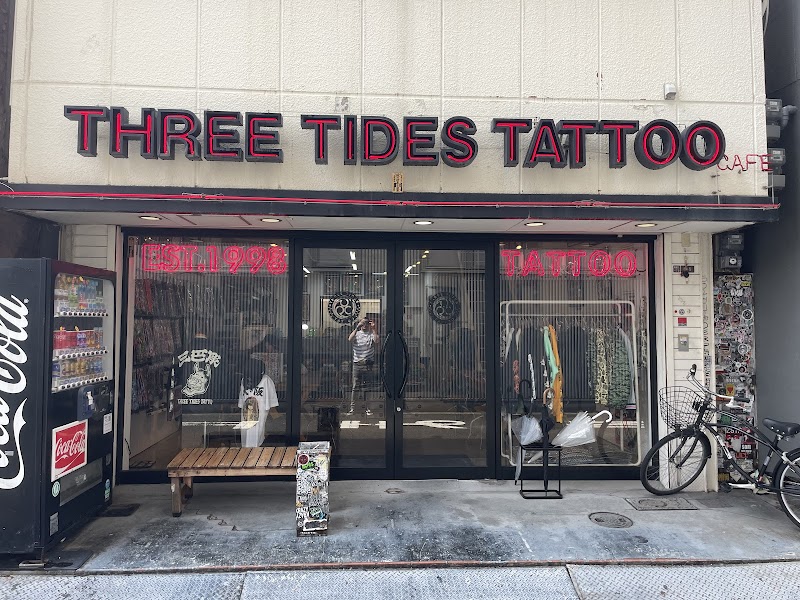
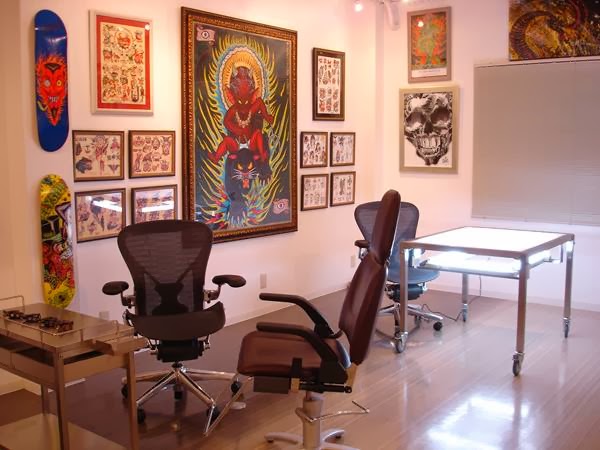
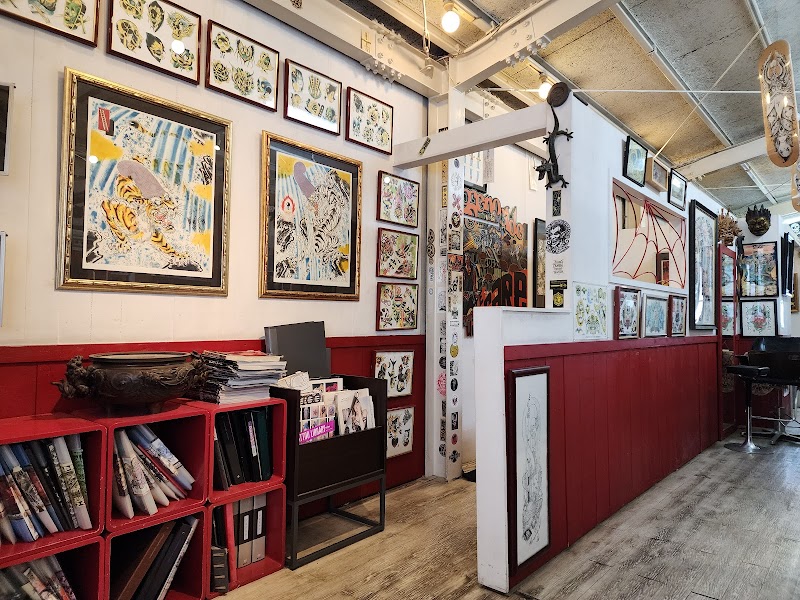
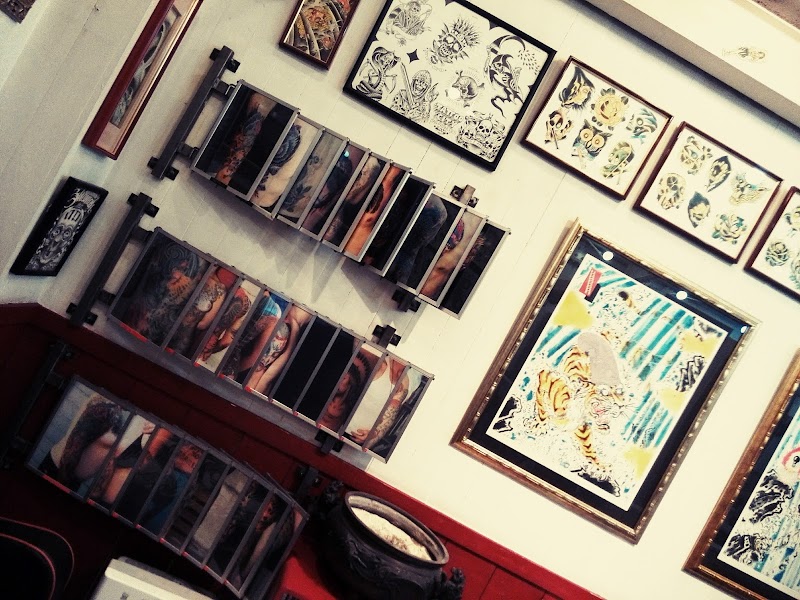
Three Tides is the most internationally famous studio in Osaka. Open since the late 1990s, it sits in Minamihorie just west of Amerikamura and has been a magnet for traveling artists and high-end collectors for decades. The roster shifts with guest spots from across Japan and overseas, and there is a separate walk-in studio in Shinsekai for smaller flash work.
- Specialty: Traditional Japanese blended with contemporary art, large-scale custom, sleeves, cover-ups
- Price: Larger custom is quoted by the session in consultation; smaller pieces typically from around ¥20,000
- English: Yes, fluent
- Booking: Instagram DM @threetidestattoo or the official site — wait 1 to 6 months for resident artists
- Address: 1-8-5 Minamihorie, Nishi-ku, Osaka
- Nearest station: Yotsubashi Station or JR Namba Station, 5–7 min walk
2. Hyper Space Tattoo (Tennoji)
A landmark in the Osaka scene, Hyper Space has been pulling in travelers, skateboarders, and serious collectors for over a decade. Four artists (three male, one female) work across tribal, traditional Japanese, blackwork, color, and lettering, and the studio handles everything from small flash to large custom work. English-speaking staff are on hand, which makes it a friendly spot for first-timers.
- Specialty: Tribal, traditional Japanese, blackwork, color, lettering, flash
- Price: Roughly ¥10,000 for a small piece up to ¥100,000+ for large work
- English: Yes, conversational
- Booking: Official site or walk-in for flash on weekends
- Address: 3F Cherry Bldg, 1-16 Ikutamamaemachi, Tennoji-ku, Osaka
- Nearest station: Tanimachi 9-chome Station (Subway), 1 min walk
3. Invasion Club Tattoo — Hori Benny (Nipponbashi)
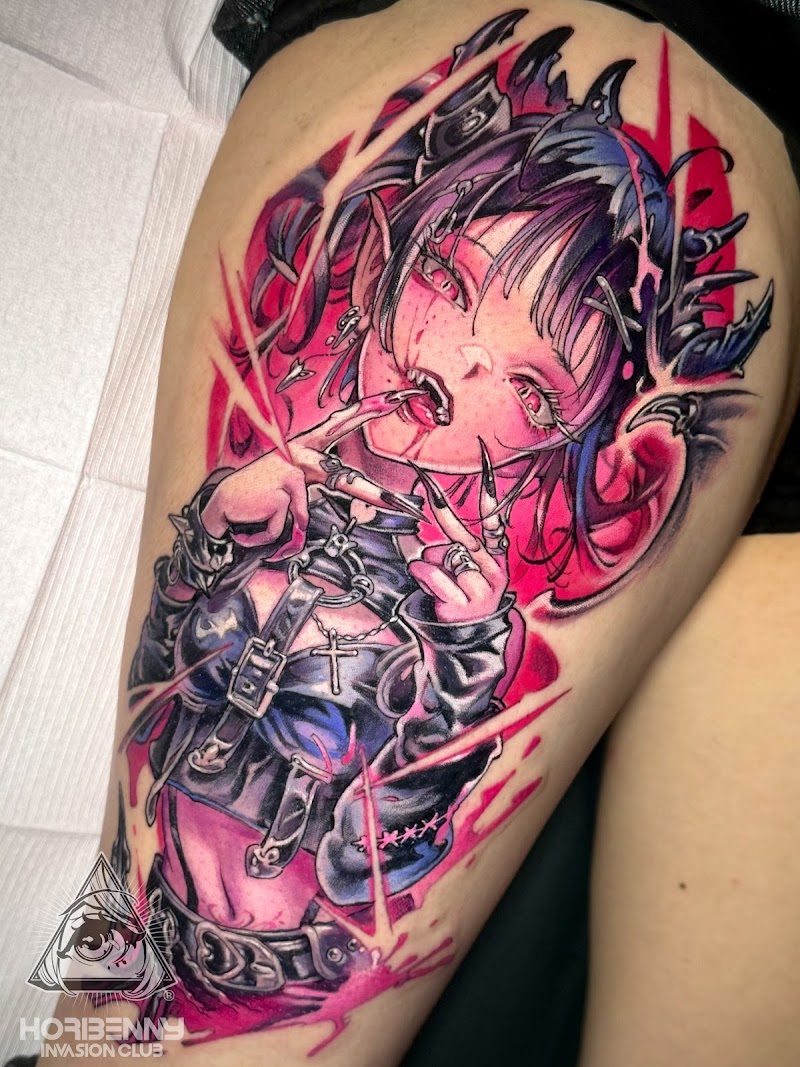
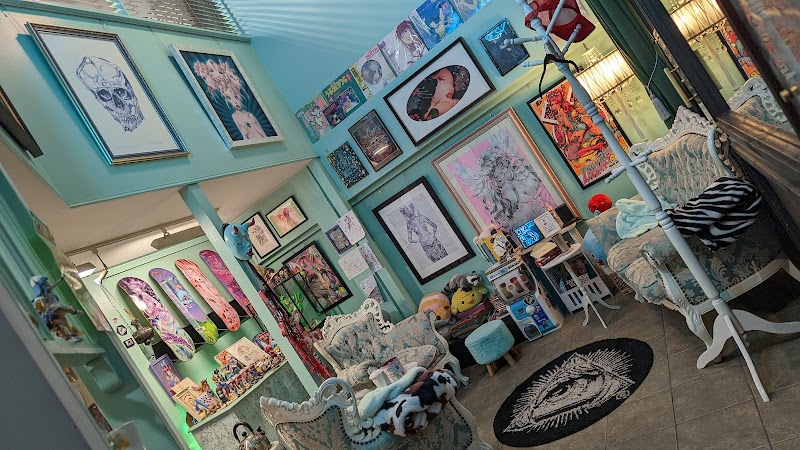
Hori Benny at Invasion Club is one of the few non-Japanese tattooers in Japan with a real reputation for Japanese work. Born in Minneapolis, he moved to Japan in 2002, trained under a Japanese master in Osaka, and founded Invasion Club near Nipponbashi—the city's otaku culture center—in 2014. He is best known for "Otattoo," a fusion of anime and manga imagery with Japanese tattoo technique, alongside traditional irezumi sleeves and body suits. For foreigners who want serious work without a language barrier, he is one of the most approachable artists in the scene.
- Specialty: "Otattoo" (anime/manga), traditional Japanese irezumi, large-scale machine work, body suits
- Price: Larger projects span multiple sessions and run into the hundreds of thousands of yen; confirm in consultation
- English: Yes, native
- Booking: Instagram DM @horibenny or invasion.club — waitlist often 6+ months for large pieces
- Address: Junwa Bldg 1F, 2-3-9 Shimodera, Naniwa-ku, Osaka (Nipponbashi)
- Nearest station: Shitennoji-mae Yuhigaoka Station, short walk


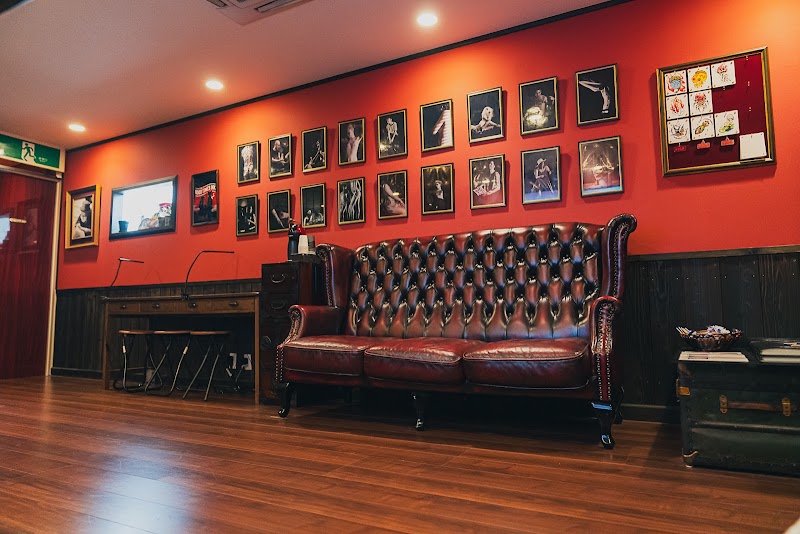
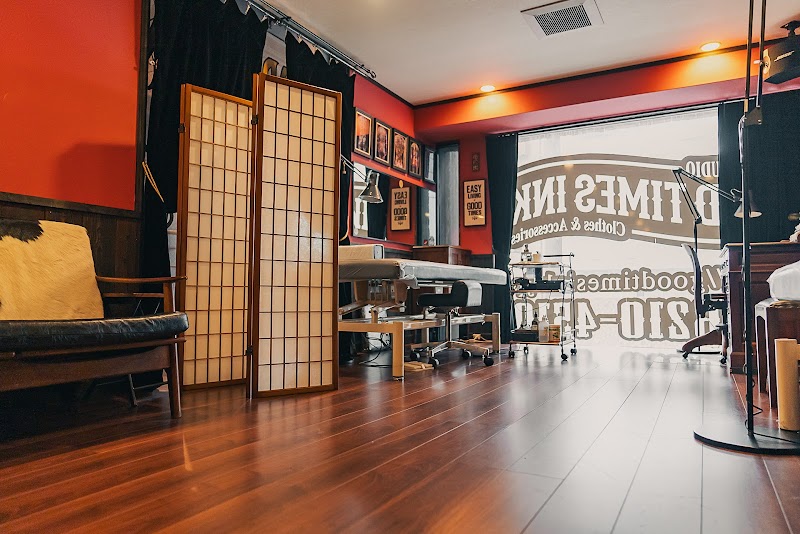
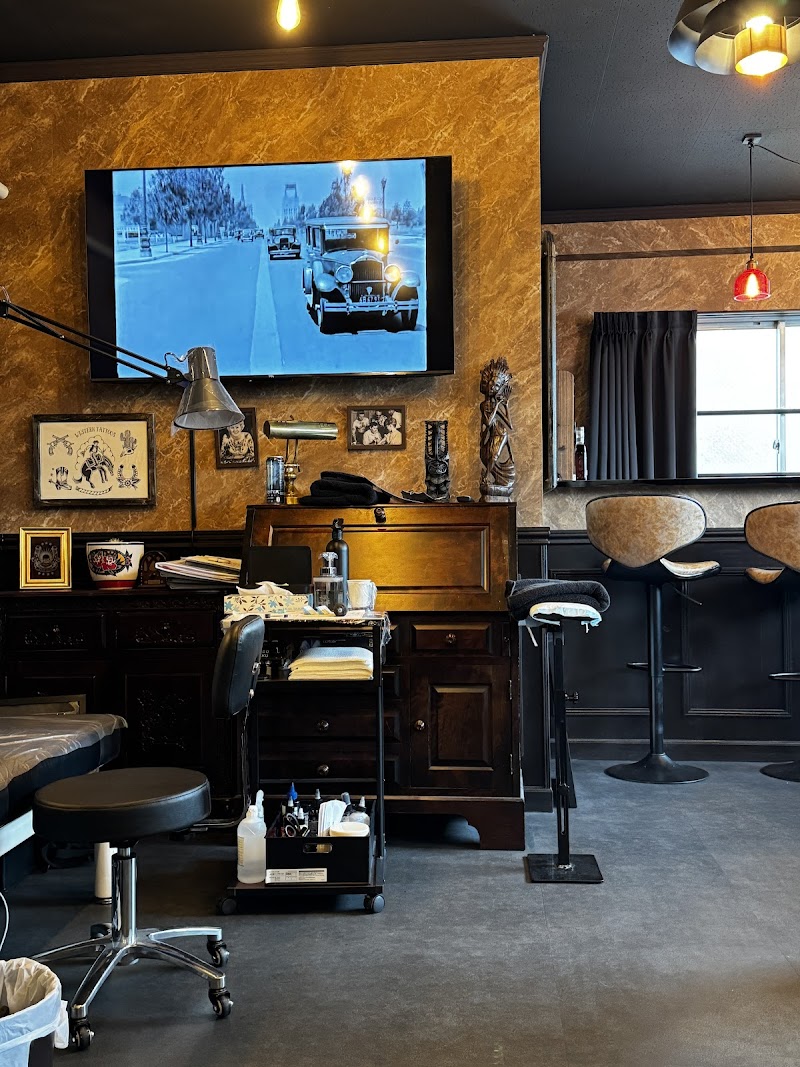
4. Good Times Ink (Amerikamura)
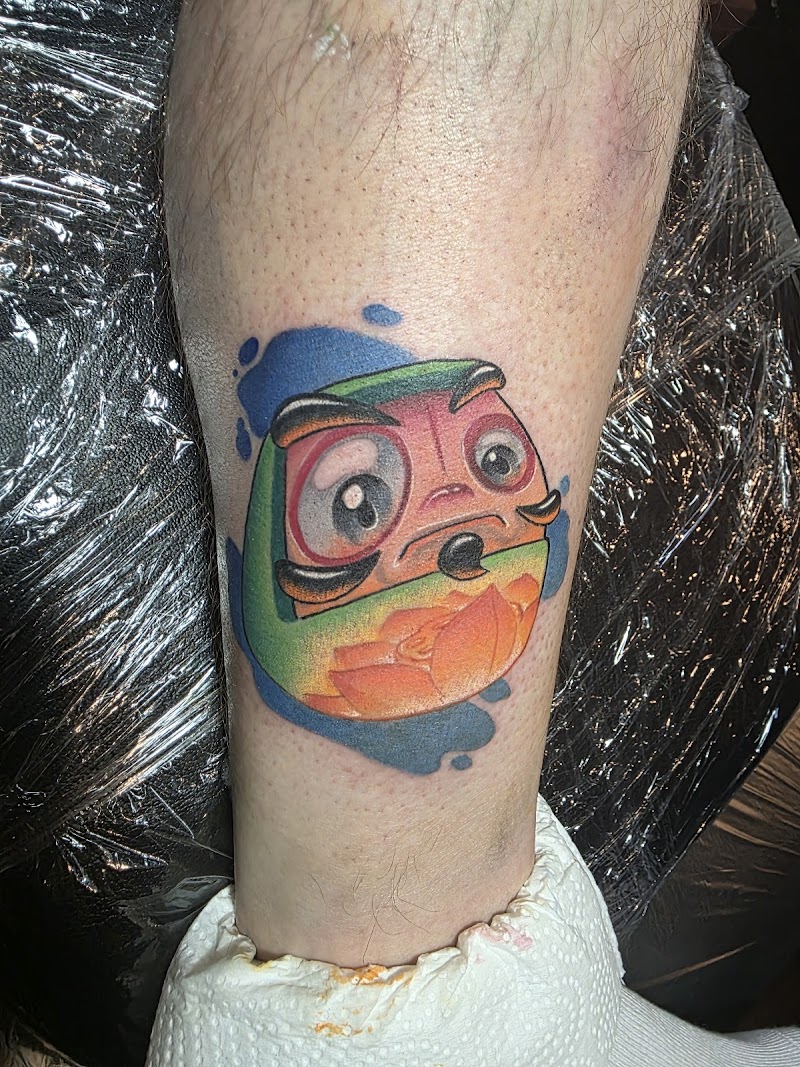
Good Times Ink sits right in Amerikamura (Nishi-Shinsaibashi) and is the closest thing to a one-stop shop on this list. The studio runs a large roster—around a dozen staff and guest artists—covering traditional Japanese irezumi, American traditional, blackwork, tribal, portraits, and new school. Because the team is big and walk-in consultations are welcome, it is a practical first stop for travelers who want to match a style to an available artist quickly.
- Specialty: Japanese irezumi, American traditional, blackwork, tribal, portraits, new school
- Price: Varies widely by artist and style; confirm in consultation
- English: Yes
- Booking: Walk-in consultation, official site, or Instagram DM @goodtimesink
- Address: 4F Ocean Drive, 2-12-14 Nishi-Shinsaibashi, Chuo-ku, Osaka
- Nearest station: Shinsaibashi or Yotsubashi Station, 5 min walk
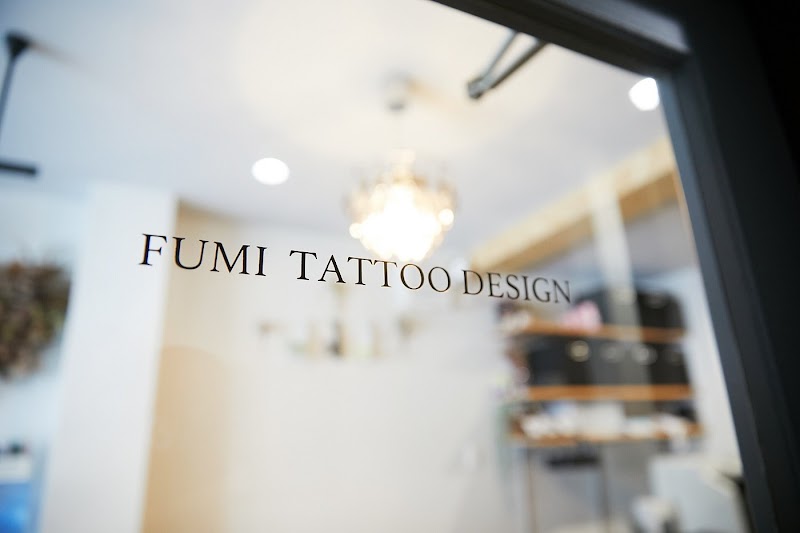
5. Fumi Tattoo (Tennoji)
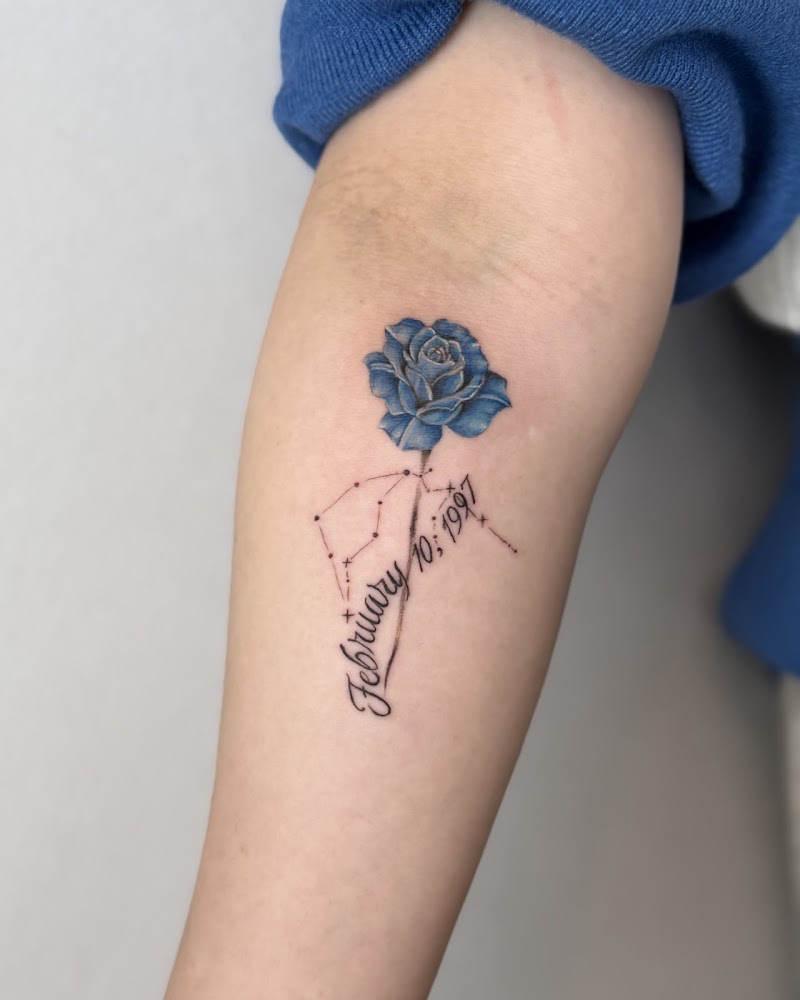
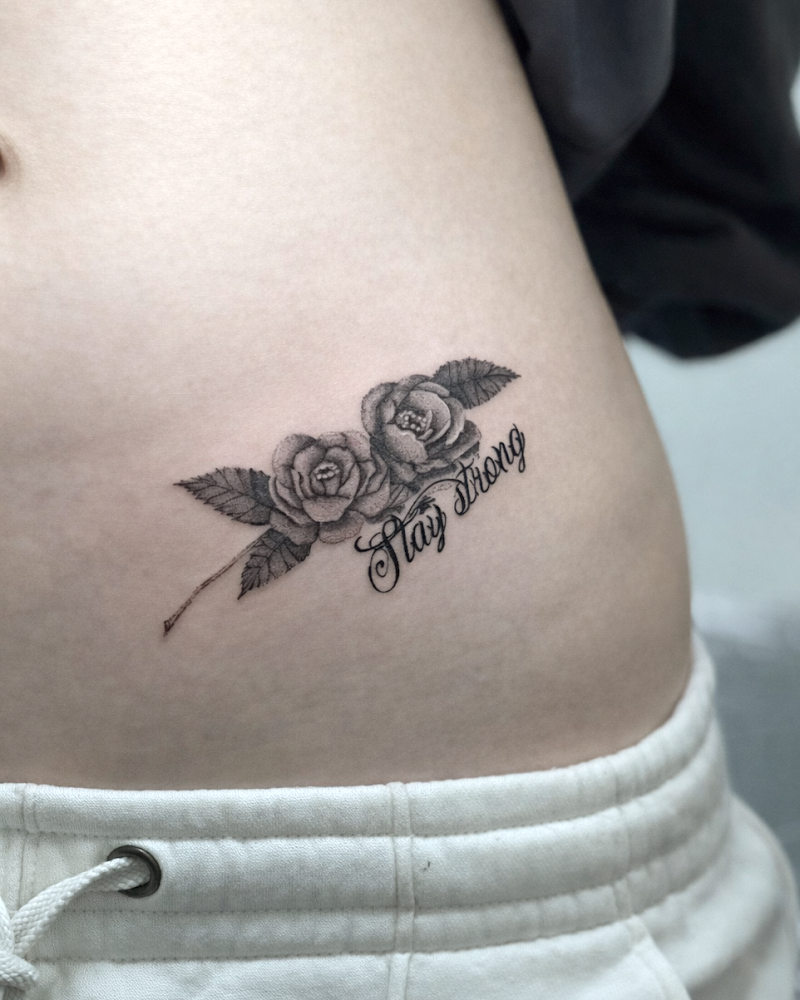
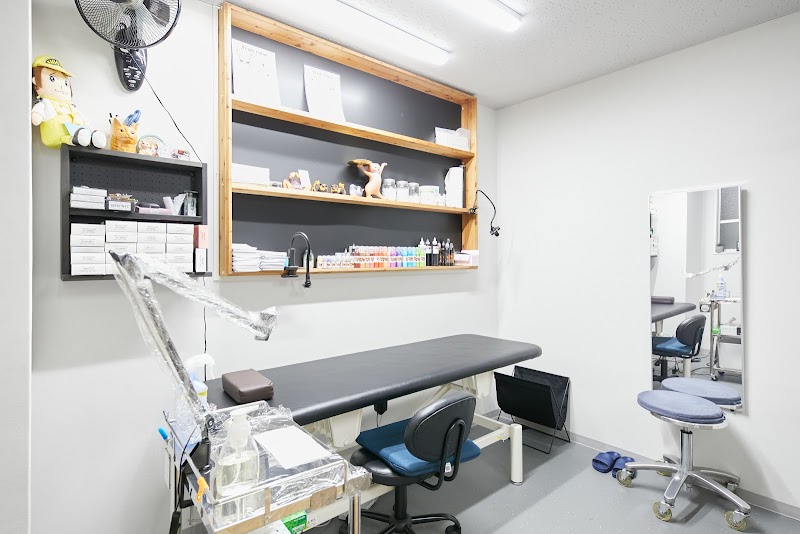
Fumi Tattoo is a women-run studio established in Tennoji more than two decades ago, with a team of female artists. The focus runs from delicate, meaningful small pieces—florals, geometric work, animals, Japanese motifs—through to bolder custom designs, and the studio was deliberately designed as a warm, comfortable space. English-speaking staff make it an easy, low-pressure choice for first-timers, and it shares the Ichimura Building with Omura Tattoo (below) near Tanimachi 9-chome.
- Specialty: Fine line, florals, geometric, Japanese-inspired small to medium custom
- Price: Small pieces from around ¥10,000; larger custom quoted on consultation
- English: Yes
- Booking: Instagram DM @fumi_tattoo_design or the official site
- Address: 2F Ichimura Bldg, 1-27 Ikutamamaemachi, Tennoji-ku, Osaka
- Nearest station: Tanimachi 9-chome Station, 1 min walk (Uehonmachi Station, 3 min)
6. JP Style Ink (Higashiyodogawa)
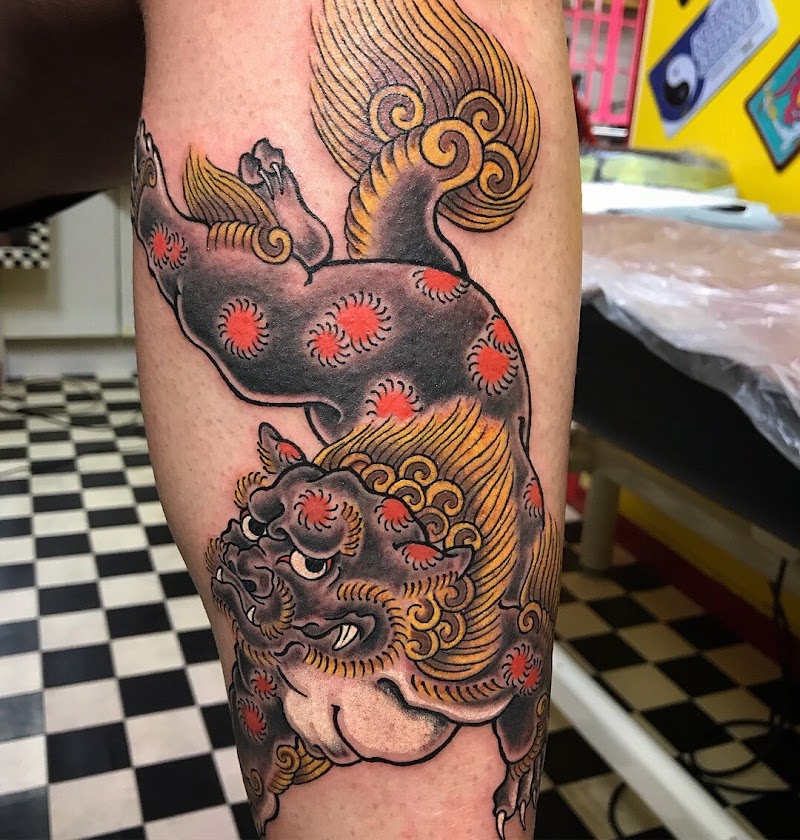
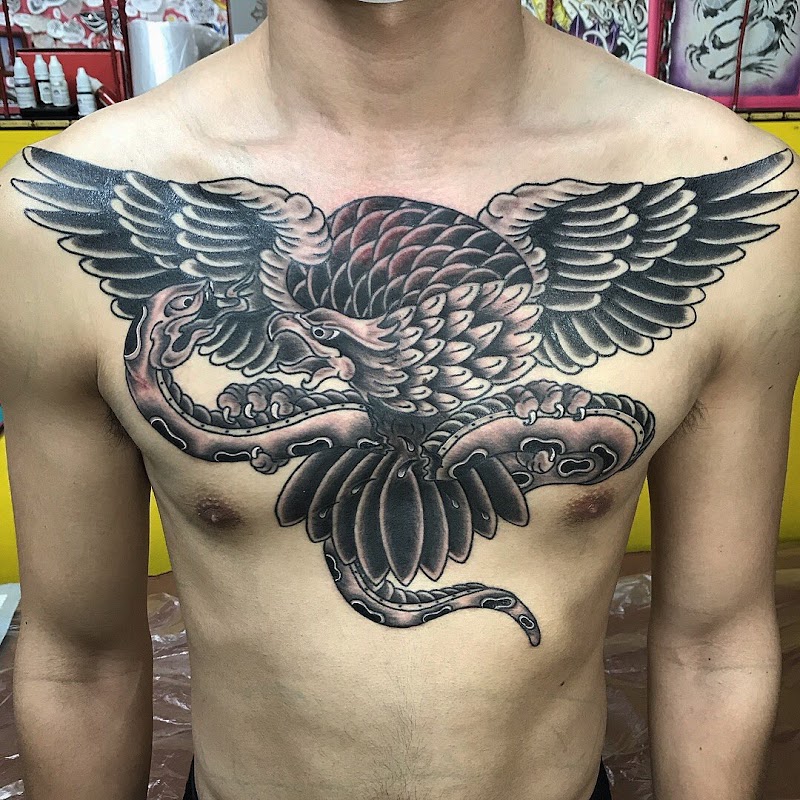
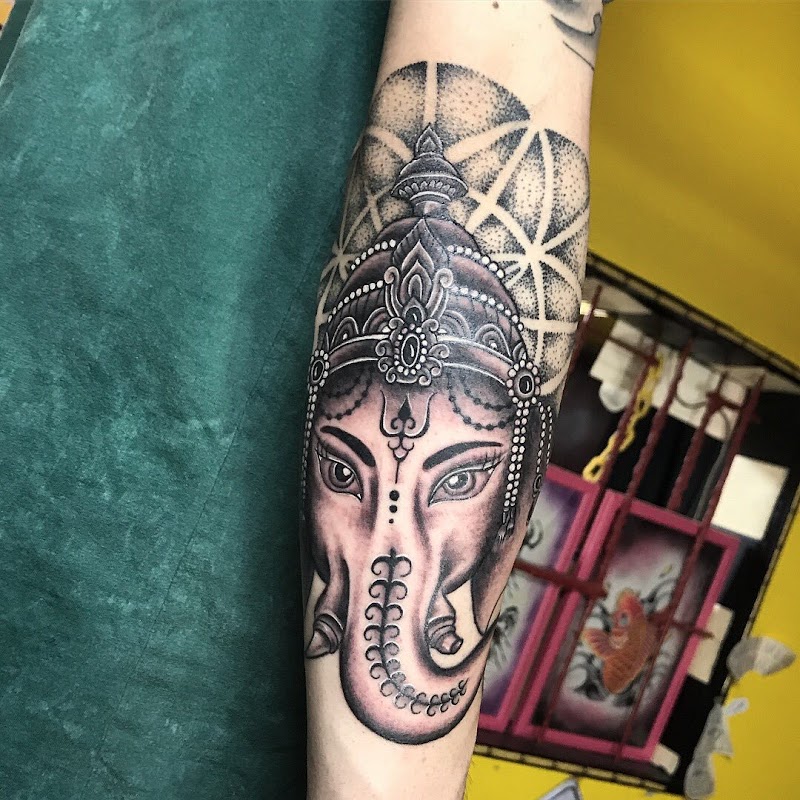
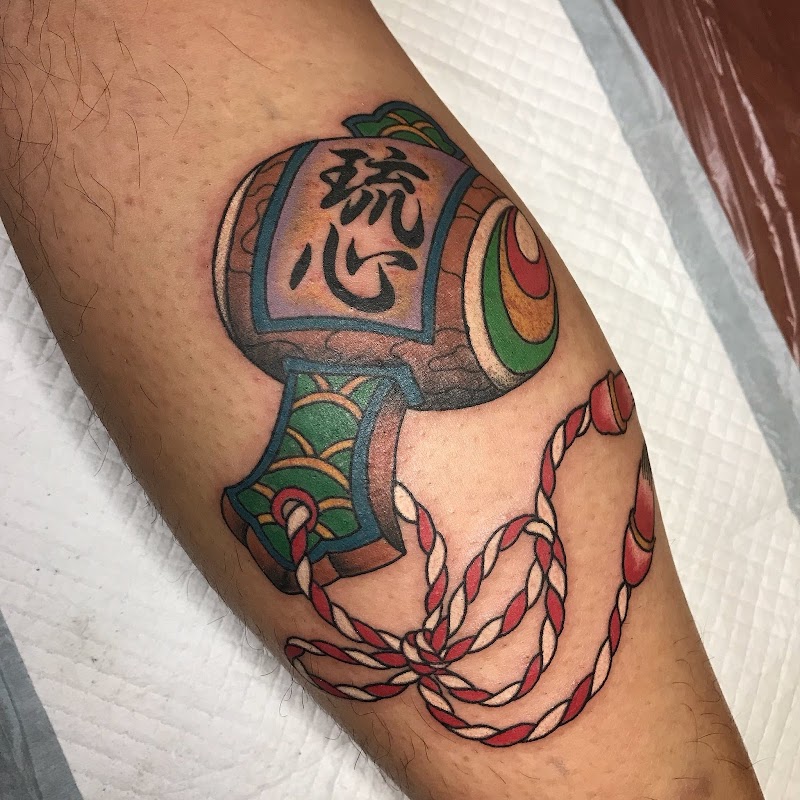
JP Style Ink is artist Mitsuki's studio, north of the city center in Higashiyodogawa. It has a name for being foreigner-friendly, with a clear consultation process and a wide range of work: portraits, western and tribal designs, traditional Japanese, and lettering in both Latin and Japanese scripts, in black-and-grey or color. A solid pick if you are based near Shin-Osaka or do not mind a short ride out from the center.
- Specialty: Portraits, western, tribal, traditional Japanese, lettering, cover-ups
- Price: Roughly ¥10,000–¥40,000 depending on size
- English: Yes
- Booking: Instagram DM @jp_style_ink
- Address: 4F, 1-9-10 Komatsu, Higashiyodogawa-ku, Osaka
- Nearest station: Kami-Shinjo Station, or Subway Daido-Toyosato Station
7. Lucky Round Tattoo (Nishi-Shinsaibashi)
Lucky Round is a good first-timer studio in the Nishi-Shinsaibashi area west of the main shopping streets. The artists take time with people new to tattoos and work across tribal, western, and Japanese designs at any size, including women-specific designs, lettering in English and Japanese, and cover-ups. A friendly choice for a considered souvenir piece rather than something loud.
- Specialty: First-timer friendly, tribal, western, Japanese, lettering, cover-ups
- Price: Small pieces from around ¥10,000; larger work on consultation
- English: Conversational
- Booking: Instagram DM @luckyroundtattoo
- Address: 2-18-6 Nishi-Shinsaibashi, Chuo-ku, Osaka
- Nearest station: Yotsubashi Station, short walk
8. Omura Tattoo (Tennoji)
Omura Tattoo specializes in wabori—traditional Japanese tattooing—and works almost entirely in original designs, though it welcomes client concepts. It shares the Ichimura Building with Fumi Tattoo near Tanimachi 9-chome, so the two make an easy pair to visit on the same consultation trip if you are weighing styles. Free consultations and an English site make it approachable for travelers set on classical Japanese work.
- Specialty: Traditional Japanese (wabori), original custom designs
- Price: Quoted on consultation
- English: Yes
- Booking: Official site or in-person consultation
- Address: 2F Ichimura Bldg, 1-27 Ikutamamaemachi, Tennoji-ku, Osaka
- Nearest station: Tanimachi 9-chome Station, 1 min walk (Uehonmachi Station, 5 min)
9. Radical Skin Tattoo (Matsubara)
Radical Skin, run by artist Horitaka, sits out in Matsubara City south of central Osaka and is worth the trip for large-scale work. The studio leans into big traditional Japanese pieces and portraits—chest, back, and full-arm coverage—built up over multiple sessions. If you want something substantial rather than a quick flash piece, this is the call. Note it is cash only.
- Specialty: Large traditional Japanese, portraits, full-coverage custom
- Price: From around ¥15,000 for smaller work; roughly ¥10,000/hour for large pieces; cash only
- English: Conversational (Horitaka replies in English by DM)
- Booking: Instagram DM @horitaka_tattoo or the official site
- Address: Sugii Bldg 3F, 4-5-35 Takaminosato, Matsubara City, Osaka
- Nearest station: Takaminosato Station, or Kawachi-Matsubara Station
How to Choose the Right Studio for You
Nine studios is a lot. Here is a fast decision tree based on what most foreign visitors actually want.
You want a small souvenir piece, walk-in, today or tomorrow → Good Times Ink (Amerikamura), Hyper Space (Tennoji), or the Three Tides walk-in studio in Shinsekai. Bring cash, a sample image, and your passport.
You want fine, delicate, or first-timer-friendly work → Fumi Tattoo (Tennoji) or Lucky Round (Nishi-Shinsaibashi). DM a few weeks ahead with a clear reference and placement description.
You want traditional Japanese imagery (koi, dragon, peony) in a clean modern way → Fumi Tattoo (Tennoji) or JP Style Ink (Higashiyodogawa). Both are kind to first-timers and handle English well.
You want serious traditional Japanese irezumi—sleeve, chest panel, back piece → Hori Benny at Invasion Club (Nipponbashi) or Three Tides (Minamihorie) for machine work, or Omura Tattoo (Tennoji) for classical wabori. Plan months ahead and budget for multiple trips.
You want large-scale Japanese or portrait work → Radical Skin (Matsubara) for full-coverage pieces, or Three Tides for resident and guest artists.
You want anime or manga-inspired tattoos done properly → Hori Benny at Invasion Club is the specialist.
You want guaranteed English, a broad roster, and a quick match → Good Times Ink, Three Tides, or Invasion Club.
If your trip is short and you cannot decide, default to Three Tides or Good Times Ink and message them six weeks before your flight. Both have enough roster depth to fit most styles.
Japanese Tattoo Styles Explained
If you are getting tattooed in Osaka, it is worth knowing what you are looking at. Japanese tattooing is not a single style—it is a family of styles with deep history and clear visual conventions.
Irezumi (traditional Japanese tattooing)
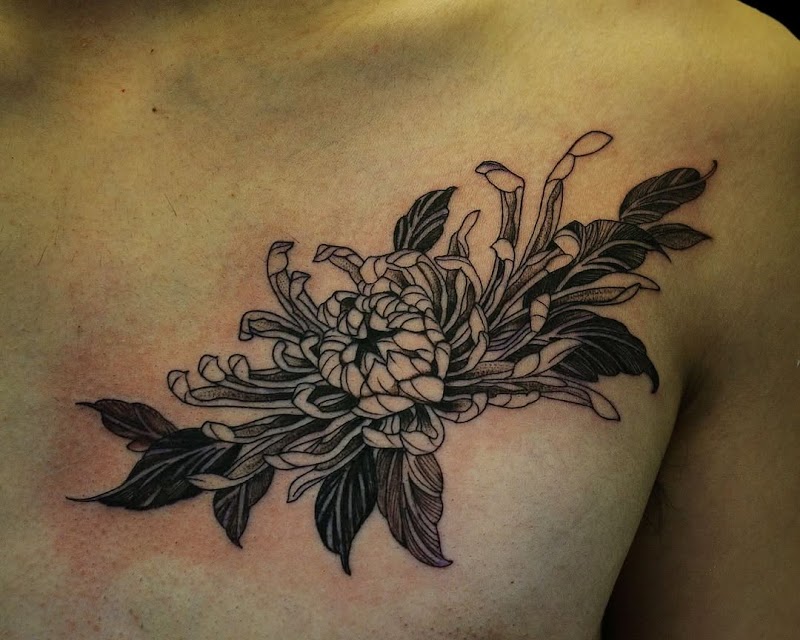
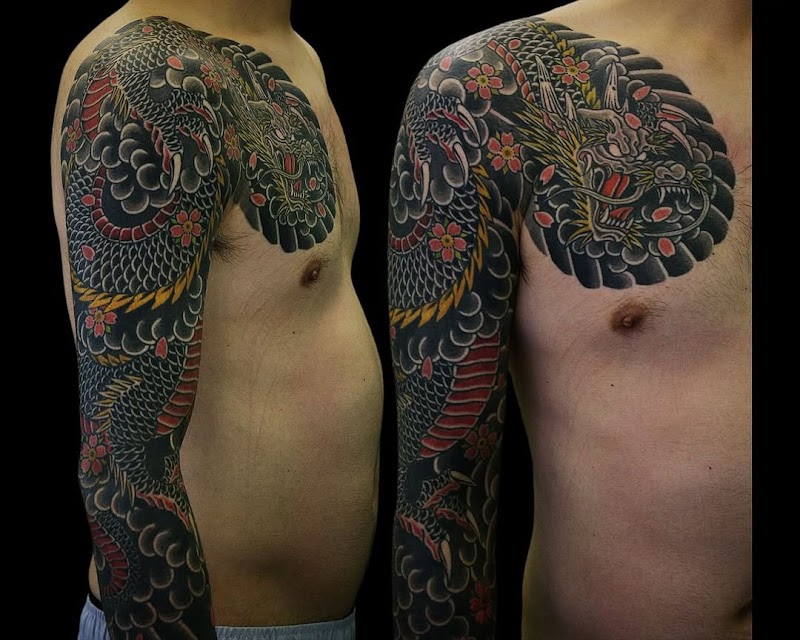
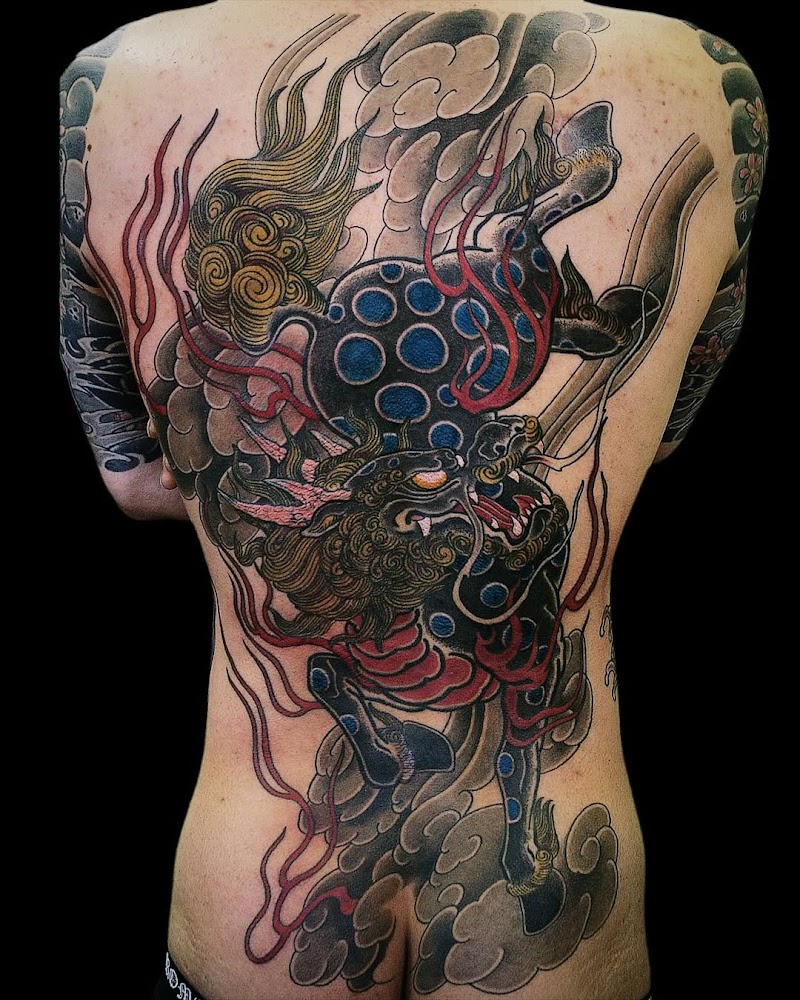
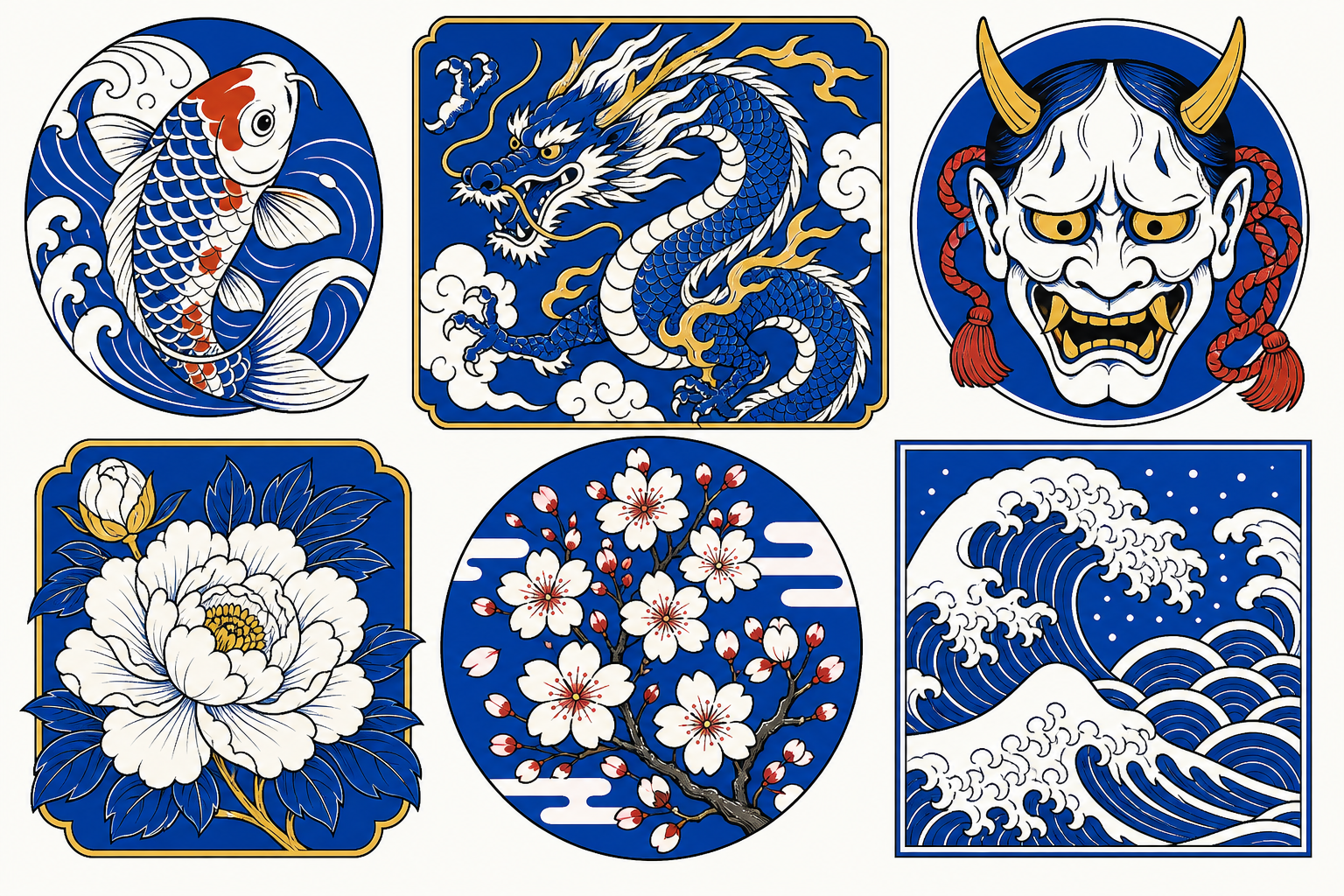
Irezumi is the umbrella term for traditional Japanese tattooing, characterized by bold black outlines, saturated color, recurring background motifs (waves, wind bars, finger waves, cherry blossoms), and large-scale compositions designed to cover an entire body part. Common subjects include koi, dragons, tigers, hannya masks, peonies, chrysanthemums, and figures from Suikoden folklore. Irezumi is the style that gave Japanese tattooing its global reputation.
Tebori (hand-poked technique)
Tebori is not a style, but a technique—hand-poked tattooing using a wooden handle (nomi) with a bundle of steel needles attached at the end. The artist pushes the needles into the skin by hand rather than using an electric machine. Tebori produces softer color blends, less skin trauma per session, and a distinct visual texture that many collectors prefer for traditional Japanese work. It is slower (and therefore more expensive over the long run) than machine work. Few artists still practice it seriously, and most traditional Japanese work in Osaka today is done by machine—if a fully hand-poked piece matters to you, ask each studio directly whether they offer it before you book.
Neo-Japanese
Neo-Japanese takes traditional Japanese subjects (koi, dragon, peony, hannya) and reinterprets them with modern composition, fresh color palettes, sometimes graphic or illustrative elements, and looser background work. Most younger Osaka artists doing "Japanese-style" tattoos in 2026 are actually doing neo-Japanese.
Symbolism quick reference
- Koi: perseverance, swimming upstream, transformation (a koi that swims up a waterfall becomes a dragon)
- Dragon (ryu): wisdom, protection, balance—Japanese dragons typically have three claws and a long serpentine body
- Peony (botan): wealth, prosperity, masculine elegance, often paired with lions
- Cherry blossom (sakura): the beauty and fleeting nature of life
- Hannya mask: a jealous female demon from Noh theater—a warning about consuming emotion
- Tiger (tora): courage, protection against evil and disease
Picking a motif with the wrong symbolism for your story is not the end of the world, but it is worth knowing what you are wearing.
What to Do After Your Tattoo in Osaka
Aftercare basics
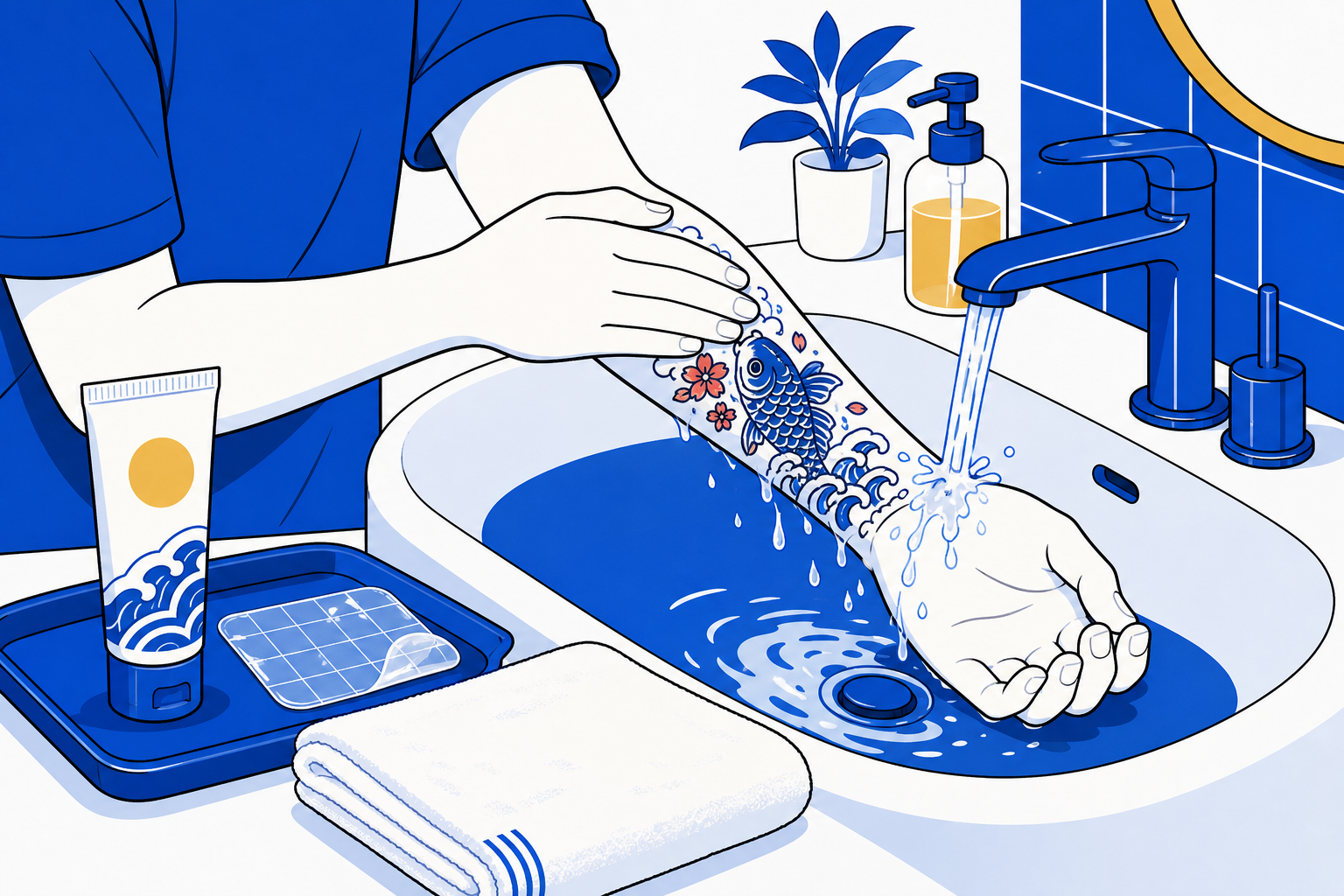
Most Osaka studios will wrap your tattoo in cling film or a medical adhesive bandage (Saniderm, Dermalize) and send you home with simple instructions. Wash gently with unscented soap twice a day, pat dry, and apply a thin layer of unscented moisturizer. Avoid direct sun, swimming pools, ocean, and saunas for at least 2 to 3 weeks while the surface heals, and 4 to 6 weeks before the deeper layers settle.
Onsen and public baths
This is the biggest aftercare question for travelers. Do not soak in an onsen for at least 4 to 6 weeks after a new tattoo. Mineral water is full of microorganisms that can infect a healing wound, and submerging fresh ink also lifts pigment out of the skin. Beyond the healing window, you also face Japan's broader "no tattoos at the onsen" cultural rule. Plan around it with our guide to tattoo-friendly onsen in Osaka, and read our onsen tattoo etiquette explainer before your first soak.
Gym, food, alcohol
Skip the gym for at least 5 days—sweating into a fresh tattoo is asking for trouble. Avoid heavy alcohol the day of and the day after, since it thins the blood. There are no food restrictions; eat well to support healing.
Touch-ups
Most Osaka studios offer a free or discounted touch-up within 3 to 6 months. If you are flying home and cannot return, ask your artist before you book whether they offer remote touch-up advice over DM.
FAQ
Can foreigners get tattoos in Osaka?
Yes, absolutely. Osaka studios welcome foreign clients, and several—Three Tides, Invasion Club, JP Style Ink, Good Times Ink—are explicitly foreigner-friendly with English-speaking staff. Bring your passport for age verification.
Is it legal to get a tattoo in Japan?
Yes. A 2020 Supreme Court ruling in the case of artist Taiki Masuda clarified that tattooing is not the practice of medicine and does not require a medical license. Reputable studios operate openly and legally.
How much does a tattoo in Osaka cost compared to my home country?
Generally similar to or slightly cheaper than major Western cities. Small flash pieces start around ¥10,000 (roughly $65 USD at 2026 rates), and hourly rates at top studios run ¥18,000 to ¥25,000. Famous artists charge more for booking demand, not because Japan is expensive.
Can I just walk in and get a tattoo today?
Sometimes, for small flash pieces, at Good Times Ink, Hyper Space, or the Three Tides walk-in studio in Shinsekai on a quiet weekday. For anything custom or larger than a palm, book ahead.
Do Osaka tattoo studios speak English?
Most studios on this list do, at least conversationally. Three Tides, Invasion Club, JP Style Ink, Good Times Ink, and Fumi Tattoo are the most reliably comfortable in English.
Will my tattoo get me banned from onsen and gyms?
From traditional onsen and many public gyms—yes, sometimes. Tattoo-friendly onsen exist (see our hub guide) and many private gyms in Osaka are relaxed about it. Public sentos and old-school facilities may refuse entry.
What if I'm under 20?
You must be 18 or older. Some shops still set their own minimum at 20—DM ahead to confirm. Bring your passport.
Conclusion
Osaka in 2026 is one of the best places in Japan to get tattooed, full stop. The scene is deeper than Tokyo's outside of the very top tier, the studios are more concentrated in walkable neighborhoods, and the language barrier has dropped year by year as foreign clients have become a normal part of the business. Whether you want a tiny souvenir, a clean fine-line piece, a bold neo-traditional sleeve, or serious traditional Japanese irezumi, one of these nine studios will fit.
A few things to remember before you book. DM six weeks ahead if you can. Pay your deposit. Bring your passport. Plan your onsen days before your tattoo session, not after. And once you have the piece, take care of it—Osaka summers are humid and the city is full of pools, beaches, and bathhouses that will all need to wait.
If a soak in hot water is on your itinerary, look at our guide to tattoo-friendly onsen in Osaka before you finalize the trip. Healing happens on Japan's schedule, not yours.