Best Day Trips from Osaka 2026: Explore the Heart of Japan
Last updated: February 2026
Osaka is widely celebrated as the culinary and entertainment capital of Japan—a city of neon, noise, and noodles, where every neighborhood feels like a festival and every meal feels like an event. But the city's greatest strategic secret, the one that seasoned travelers whisper to first-timers over late-night ramen, is not about what happens within its borders. It is about what lies just beyond them.
Located at the very center of the Kansai region—Japan's cultural heartland, the place where the nation's history, art, religion, and identity were forged over millennia—Osaka is the perfect "Base Camp" for exploring the rich history, stunning nature, and unique local cultures of Western Japan. Within a radius that can be measured in minutes rather than hours by train, you will find more UNESCO World Heritage Sites, more ancient temples, more castle ruins, more natural hot springs, and more distinct regional cuisines than perhaps any comparable area on earth.
Imagine waking up in your comfortable Namba hotel, grabbing a quick artisan coffee from the craft cafe on the corner, and being in the heart of ancient Kyoto—among two-thousand-year-old temples and geisha who glide silently through lantern-lit streets—in just 15 minutes. Or spending the morning feeding the sacred bowing deer of Nara beneath a giant bronze Buddha, the afternoon eating world-famous marbled Kobe beef while gazing at the harbor from a mountainside ropeway, and being back in Osaka in time for a vibrant, neon-lit dinner in Dotonbori, as if you had never left. Or standing in the silence of a 1,200-year-old Buddhist cemetery on a fog-shrouded mountaintop, feeling the weight of a millennium of spiritual practice, and then returning to the electric buzz of Osaka's bar scene by nightfall.
In 2026, the Japanese transportation network has never been more efficient, affordable, or foreigner-friendly, making it possible to see the absolute best of the nation without the stress of constantly changing hotels, hauling luggage through train stations, and navigating unfamiliar check-in procedures in a language you do not speak. In this comprehensive guide, we have hand-picked the best day trips from Osaka for 2026, giving Sarah—and every traveler who uses this city as their home base—a detailed roadmap for experiencing the very best of Japan.
Why Osaka Is the Perfect Hub for Day Trips
Choosing to base yourself in Osaka rather than moving between cities every two days is the smartest way to travel in Japan—a strategy that experienced travelers and travel professionals have been recommending for years and that has only become more compelling as the city's infrastructure has improved.
1. The Speed of Japanese Rail
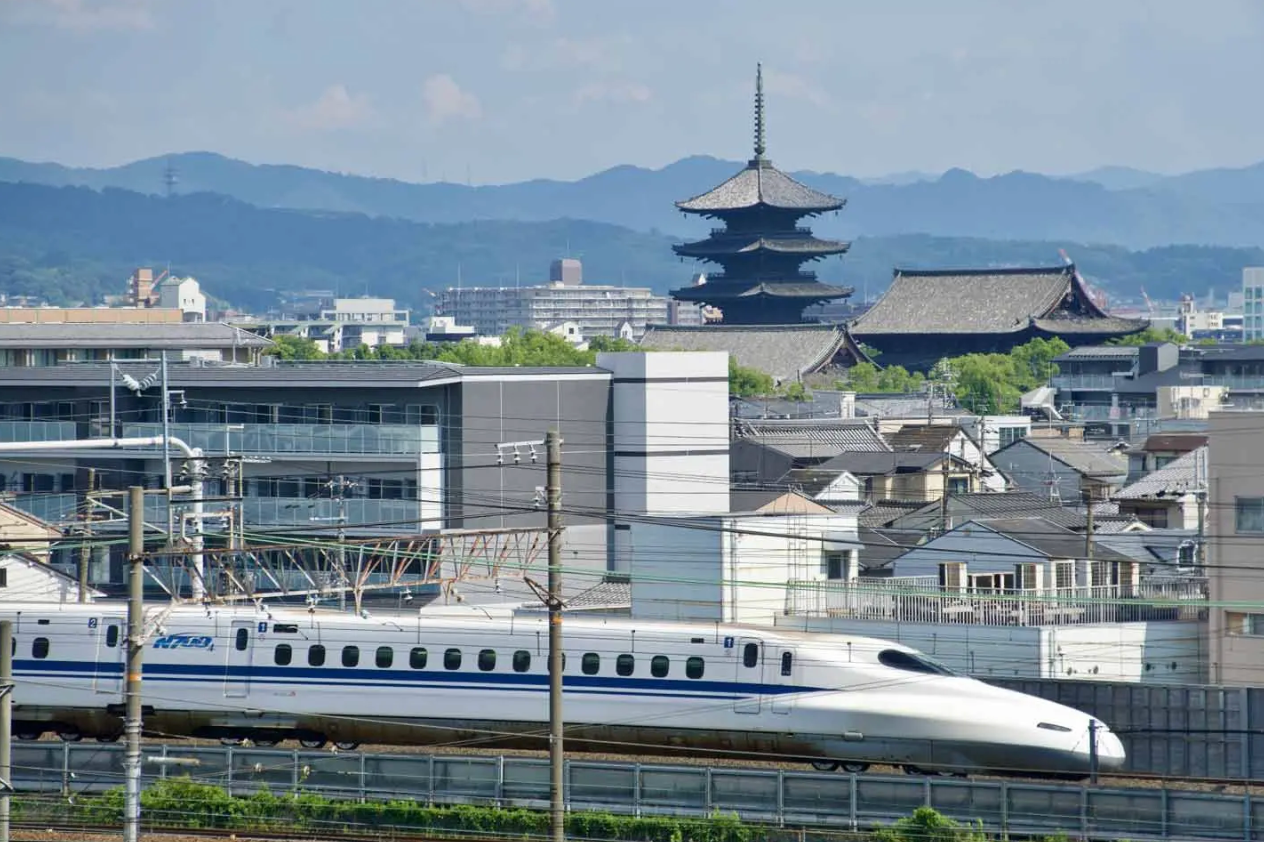
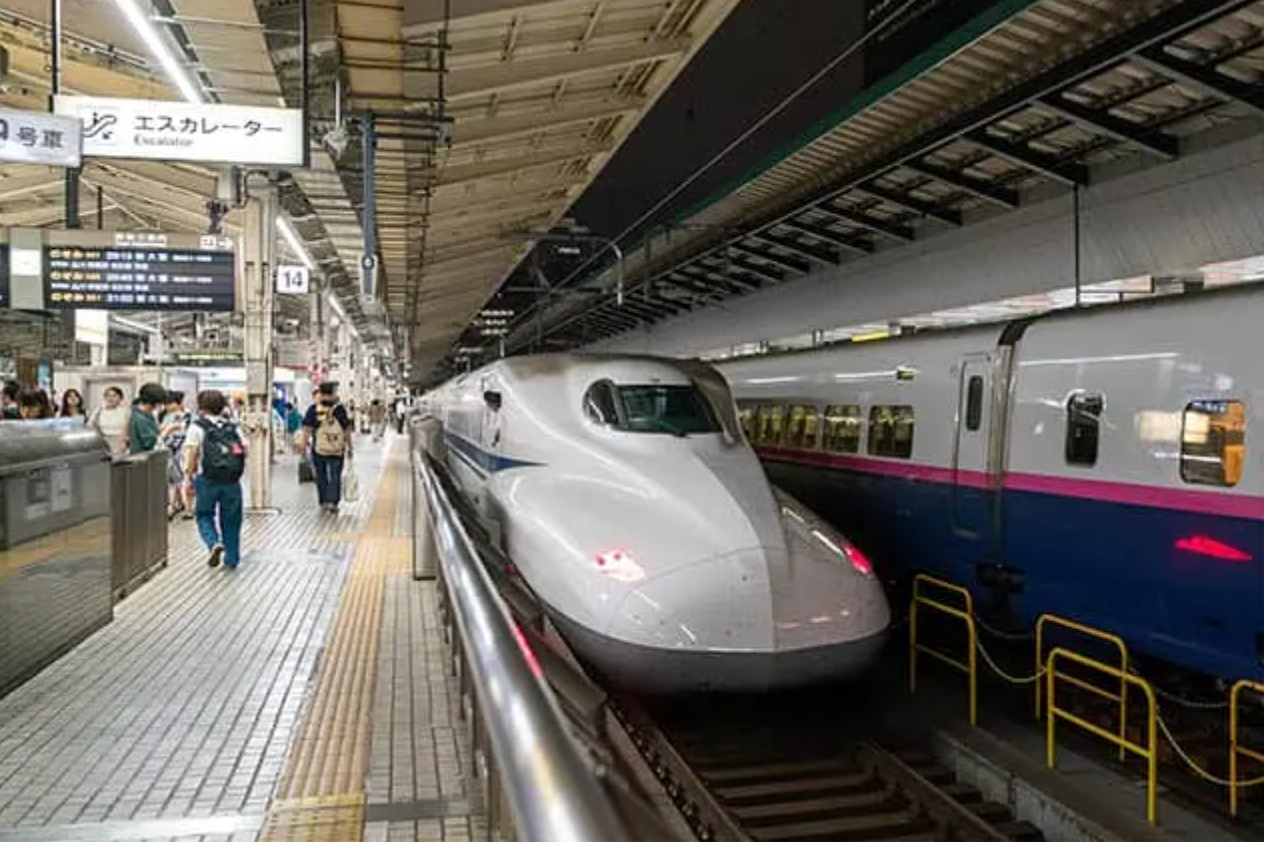
From Shin-Osaka Station, the Shinkansen (Bullet Train) can whisk you to Himeji in 30 minutes or Kyoto in just 15 minutes. The experience of the Shinkansen itself—the nearly silent acceleration, the blur of the Japanese countryside through the window, the punctuality so precise it is measured in seconds—is one of the great pleasures of traveling in Japan. Even the standard "Special Rapid" trains from Osaka Station (Umeda) reach Kyoto in 28 minutes and Kobe in 20 minutes for the price of a few hundred yen. The private railways—Hankyu, Hanshin, Kintetsu, Nankai—offer additional routes at even lower prices, with comfortable seats and clear English signage.
2. Centralized Logistics
Staying in one hotel for the duration of your trip means you do not have to worry about the constant logistics of hotel check-ins and check-outs, the anxiety of finding coin lockers large enough for your suitcase, or the "luggage lag" that comes from shipping bags between hotels via the Takkyubin delivery service. For a traveler like Sarah, this saves an average of 2.5 hours per day that would otherwise be spent on logistics—time that can instead be spent exploring, eating, and experiencing the destinations she has come so far to see.
3. The Best Nightlife to Return To
After a quiet day of meditation at a Kyoto temple, a peaceful hike through Wakayama's coastal trails, or an emotionally overwhelming visit to Hiroshima's Peace Memorial, there is nothing more exhilarating than returning to the high-energy streets of Osaka. The city welcomes you back every evening with its neon glow, its sizzling food stalls, and its bustling bars, offering the perfect antidote to the contemplative quiet of the countryside. You get the peace of Japan's heritage by day and the world-class nightlife, shopping, and street food of the city by night.
Top 10 Day Trips from Osaka: Detailed Guides
1. Kyoto (京都) – The Eternal City (Essential)
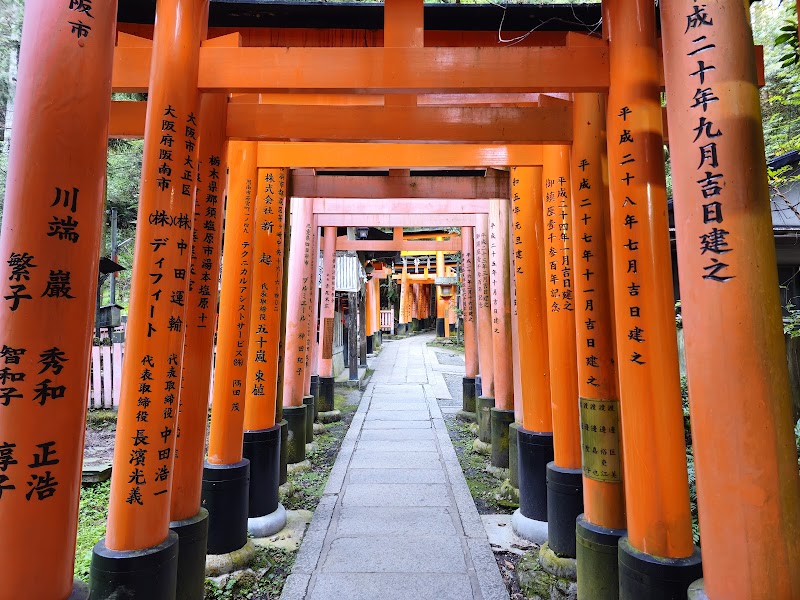
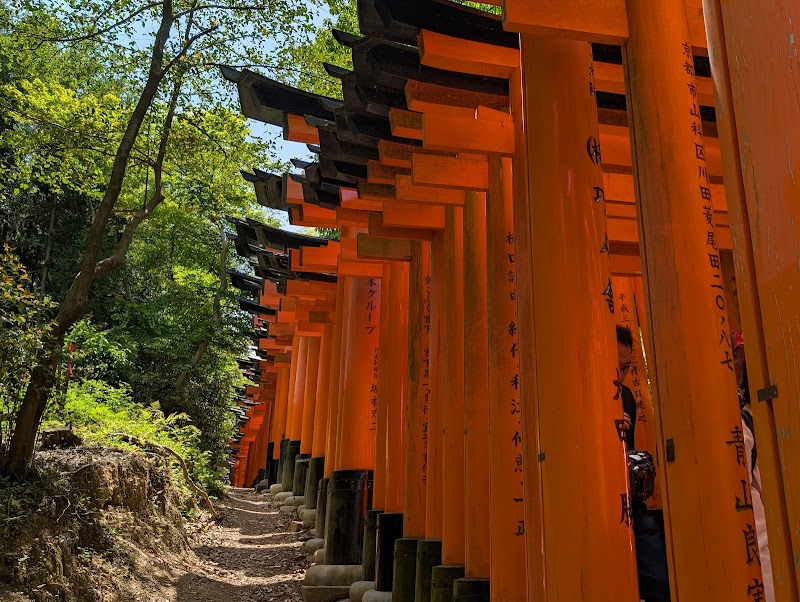
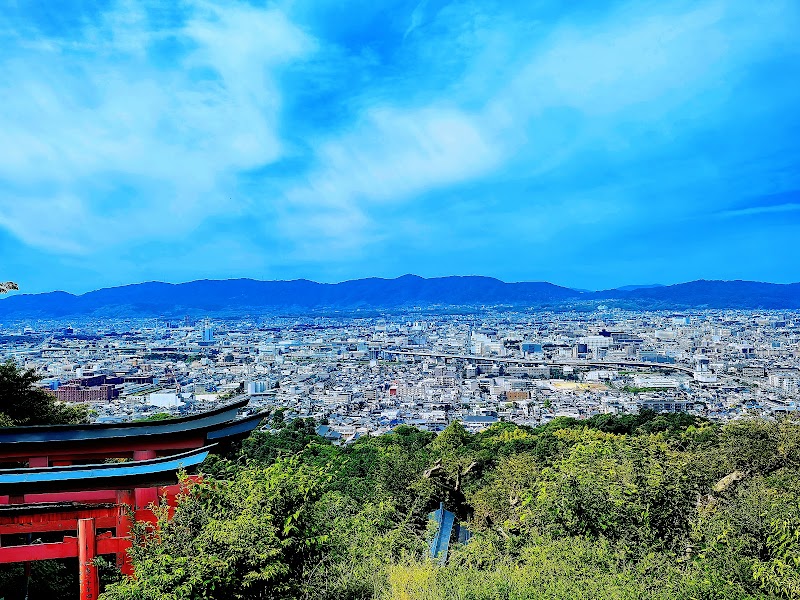
Kyoto is the one day trip that every traveler to Japan must take—no exceptions, no debate. This is the city that served as Japan's imperial capital for over a thousand years, and its cultural wealth is staggering: over 2,000 temples and shrines, 17 UNESCO World Heritage Sites, some of the finest gardens on earth, and a living tradition of geisha, tea ceremony, and traditional arts that continues to this day in the atmospheric district of Gion.
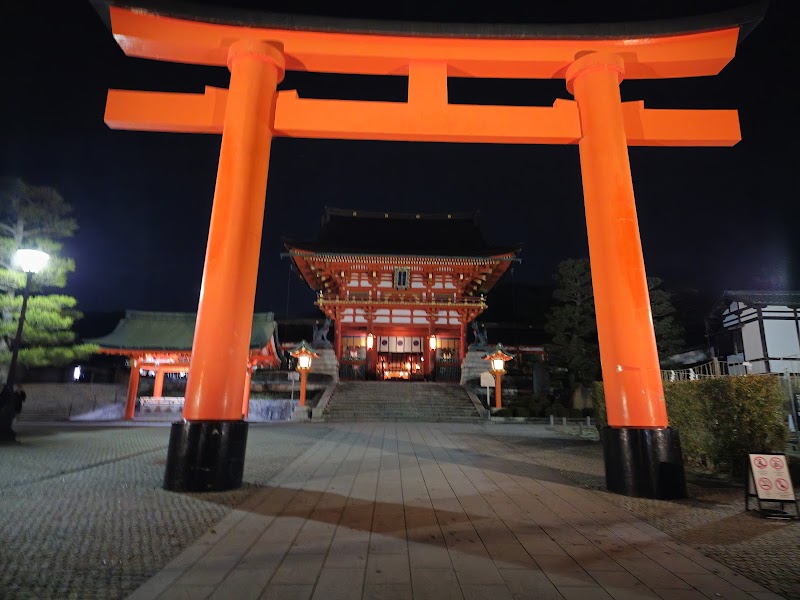
While you could spend weeks exploring Kyoto and still not see everything—and indeed many travelers return again and again over the course of their lives—a single day from Osaka allows you to see the "Big Three" that define the Kyoto experience: Kinkaku-ji (The Golden Pavilion), a Zen temple covered in pure gold leaf that floats above its mirror-like reflecting pond like a vision from another world; Fushimi Inari-taisha, where thousands of vermillion torii gates march in an unbroken corridor up the forested mountainside, creating a tunnel of color and light that stretches for 4 kilometers; and the traditional district of Gion, where machiya wooden townhouses line narrow streets and where, if you are patient and observant, you may catch a glimpse of a maiko (apprentice geisha) slipping through a doorway in a cascade of silk and white makeup.
Travel Time: 15 to 30 minutes via JR or Hankyu Line. Best Season: Early April for Sakura (cherry blossoms) or late November for the fiery maple leaves that transform the temple gardens into seas of crimson and gold. Sarah's Hack: Take the Keihan Line from Yodoyabashi Station to reach Gion directly. This avoids the notoriously crowded buses at Kyoto Station, saves you 30 minutes of fighting through tourist crowds, and delivers you straight into the heart of the atmospheric geisha district.
2. Nara (奈良) – Deer and Deities (Family Friendly)
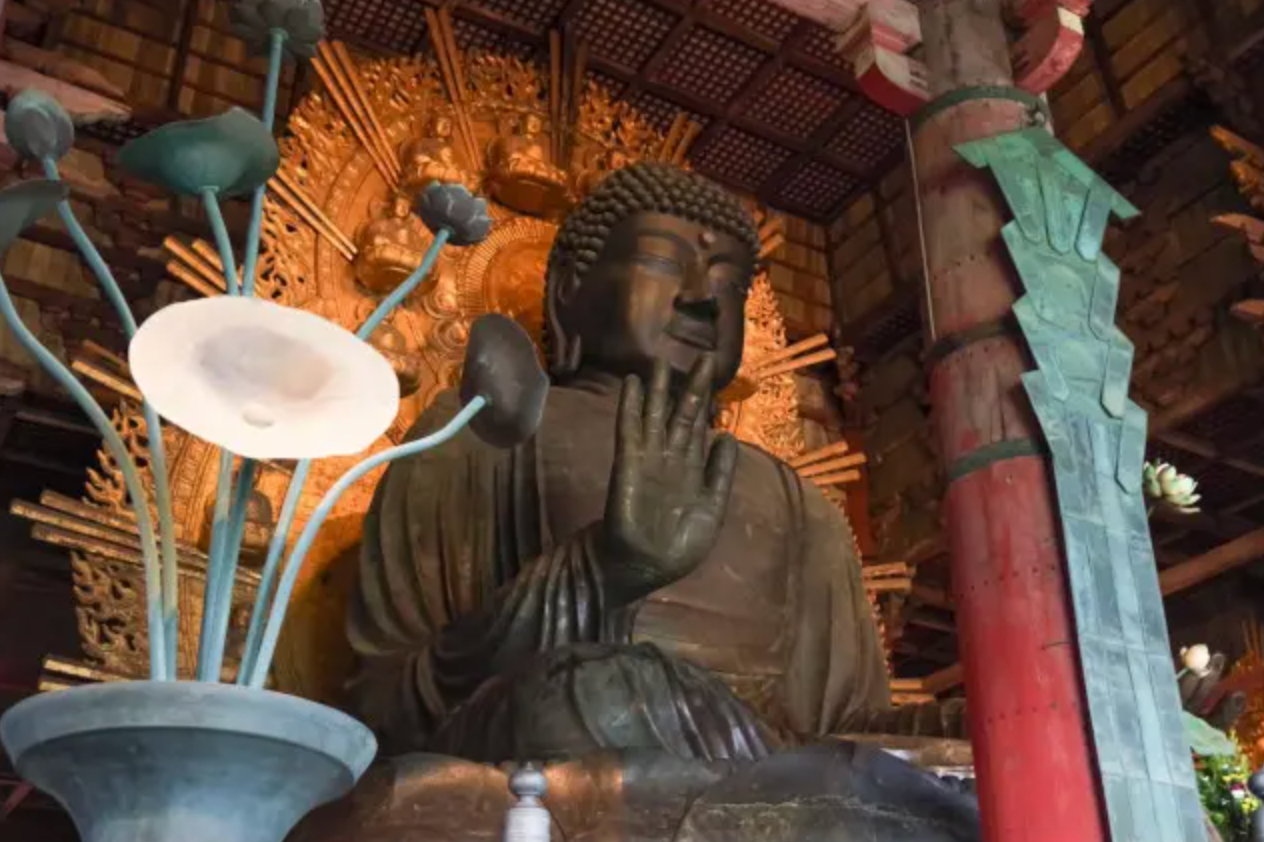
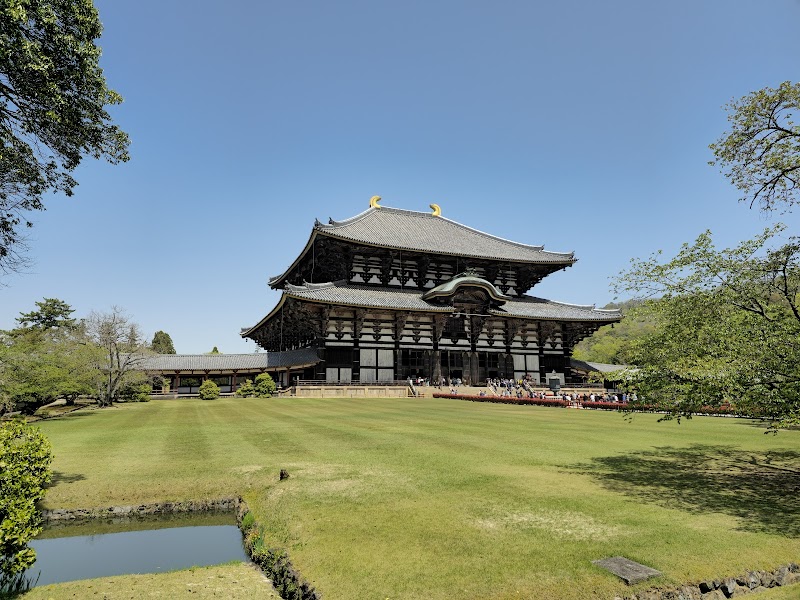
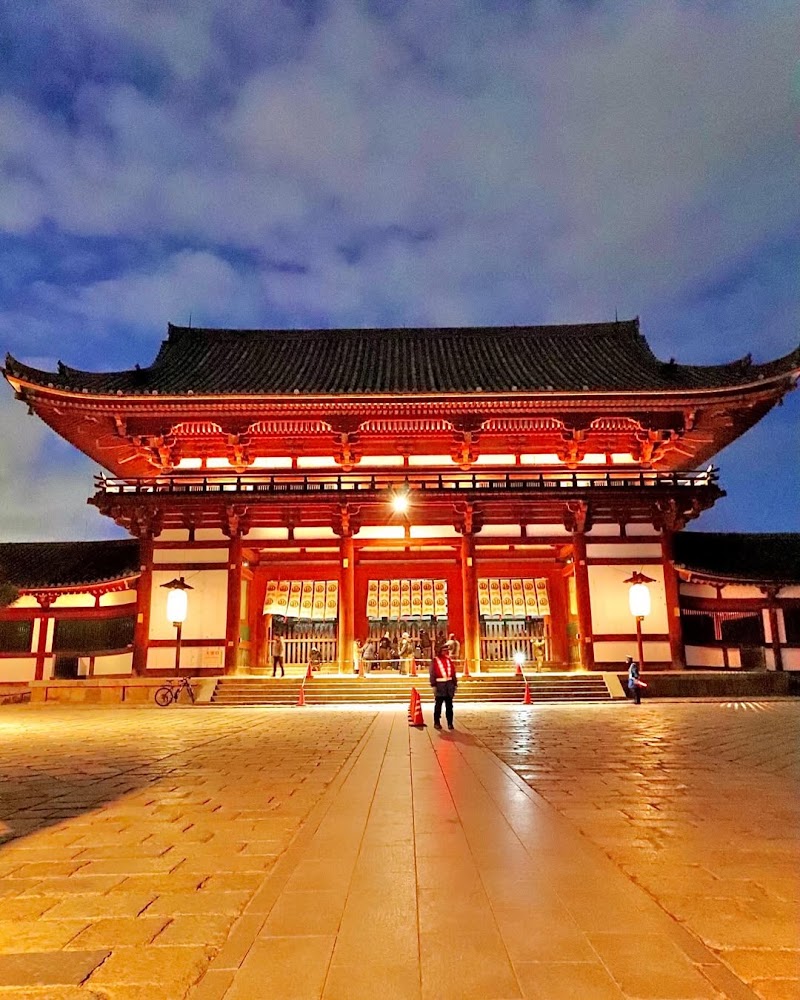
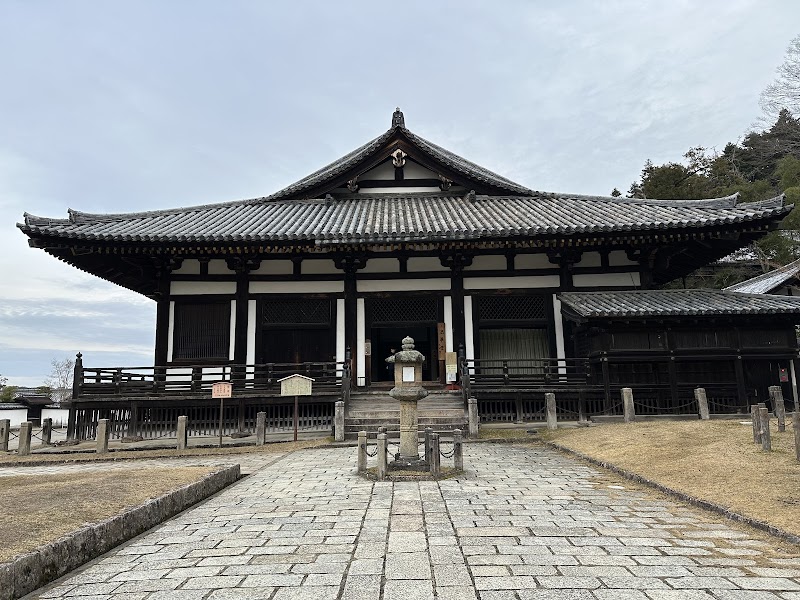
Nara was Japan's first permanent capital—older than Kyoto, older than Tokyo, a city so ancient that its history stretches back to a time when Japan was still forming its national identity. Today, it feels even more mystical than its more famous neighbor, with a quieter, more contemplative atmosphere and one of the most enchanting experiences in all of Japan: Nara Park, where over 1,000 semi-wild deer roam freely among the temples, pathways, and lawns.
These deer are considered messengers of the gods in Shinto tradition, and they have been protected by religious law for centuries. Over the generations, they have learned to bow to visitors in exchange for shika-senbei (deer crackers), sold at stands throughout the park for ¥200. The sight of a deer bowing politely before accepting a cracker from your hand—a gesture so human, so courteous, that it seems impossible for a wild animal—is one of the most charming moments you will experience in Japan. Some of the more enterprising deer have also learned to gently tug at bags and clothing when they believe treats are being withheld, adding a comedic element that delights children and adults alike.
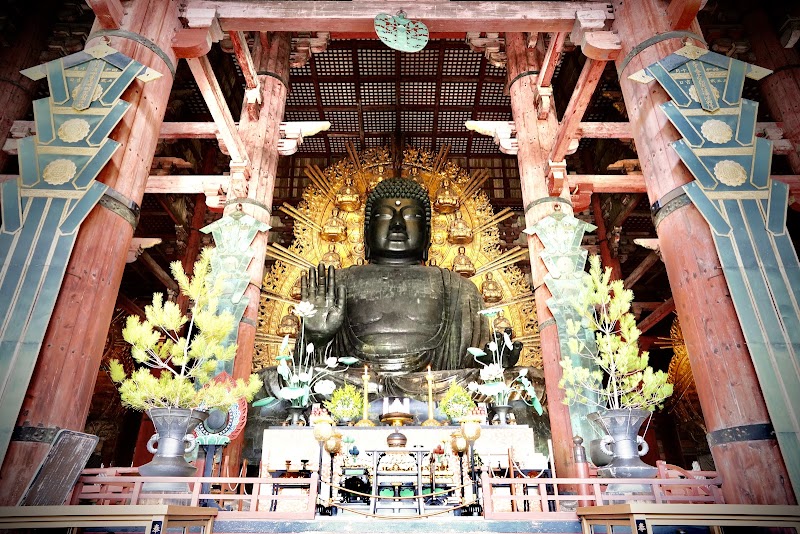
Beyond the deer, Nara's temples are among the oldest and most impressive in Japan. Todai-ji Temple houses one of the country's largest bronze Buddha statues—a 15-meter-tall seated figure cast in the 8th century that was, at the time, the most ambitious engineering project in Japanese history. The wooden hall that houses it, Daibutsuden, is one of the largest wooden buildings in the world. The lantern-lit pathways of Kasuga Taisha Shrine, where thousands of stone and bronze lanterns create an otherworldly atmosphere during the twice-yearly lantern festivals, are equally unforgettable.
Travel Time: 35 to 45 minutes via the Kintetsu or JR lines. Pro Tip: Take the Kintetsu express from Namba—it drops you closer to the park entrance than the JR line and is slightly cheaper.
3. Kobe (神戸) – Marbled Beef and Mountain Views
Kobe is a stylish, cosmopolitan port city squeezed between the sparkling Osaka Bay and the dramatic Rokko mountain range, and it has a distinctly international feel that sets it apart from every other city in the Kansai region. As one of the first Japanese ports opened to foreign trade in the 19th century, Kobe developed a unique hybrid culture—Western-style buildings sit alongside Shinto shrines, European bakeries share blocks with ramen shops, and the city's famous Chinatown (Nankinmachi) adds yet another layer to its multicultural identity.
The must-do experience in Kobe is, of course, eating Kobe Beef—the legendary wagyu known worldwide for its extraordinary marbling, butter-soft texture, and rich, almost sweet flavor. The beef comes from Tajima-strain cattle raised in Hyogo Prefecture under strict conditions, and tasting the genuine article in Kobe itself is a fundamentally different experience from eating "Kobe-style" beef elsewhere in the world. Sarah's Budget Hack: Eat Kobe Beef for lunch rather than dinner. Many of the finest steak restaurants offer lunch courses for ¥3,000 to ¥8,000 that would cost ¥15,000 to ¥30,000 at dinner. The quality is identical—the same A5-grade beef, the same skilled chef, the same teppan griddle—only the price and the portion size change.
After lunch, take the Shin-Kobe Ropeway up the Rokko mountain for a spectacular panoramic view of the city, the bay, and on clear days, the distant outline of Awaji Island. The botanical garden at the top is a peaceful escape, and the descent offers a birds-eye perspective on one of the most beautifully positioned cities in Japan.
Travel Time: 20 to 30 minutes via JR Special Rapid from Osaka Station.
4. Himeji (姫路) – The White Heron Castle
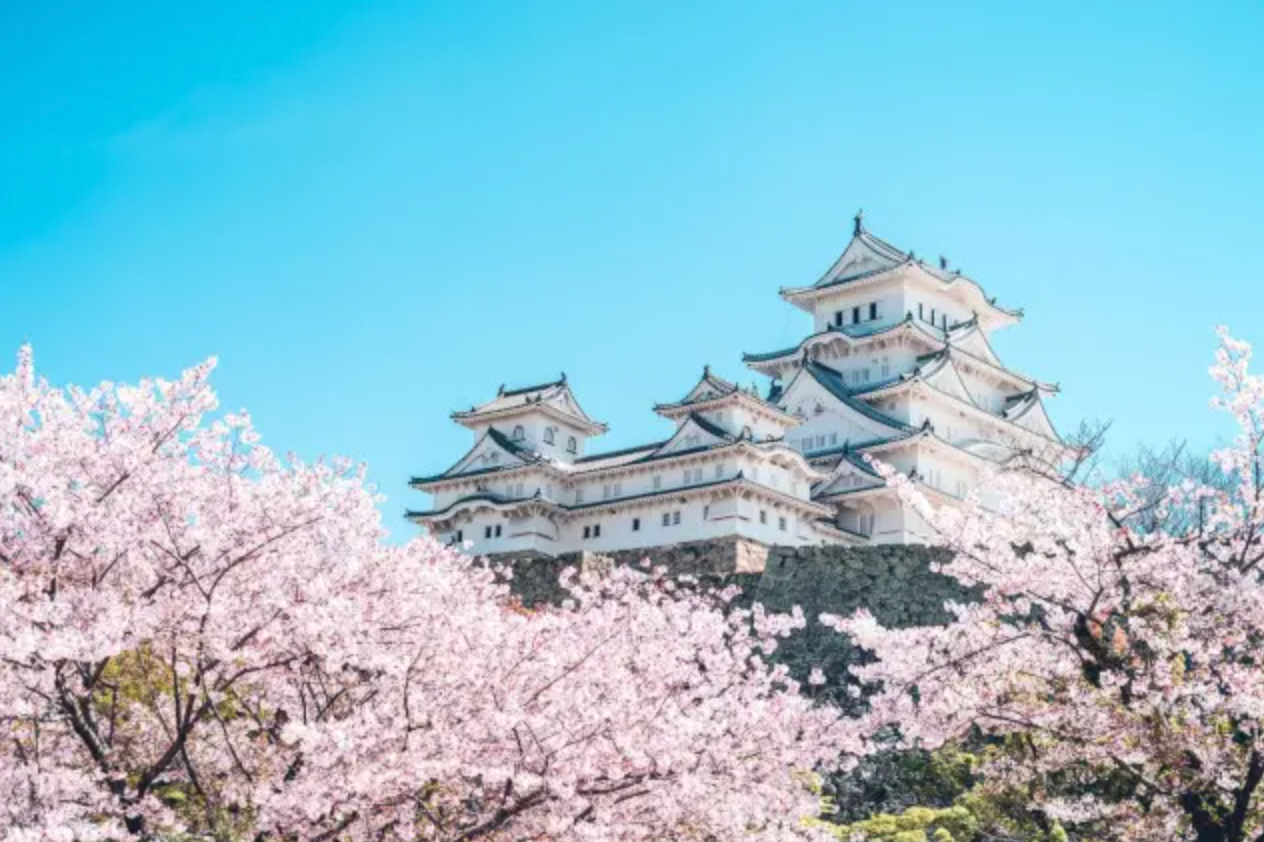
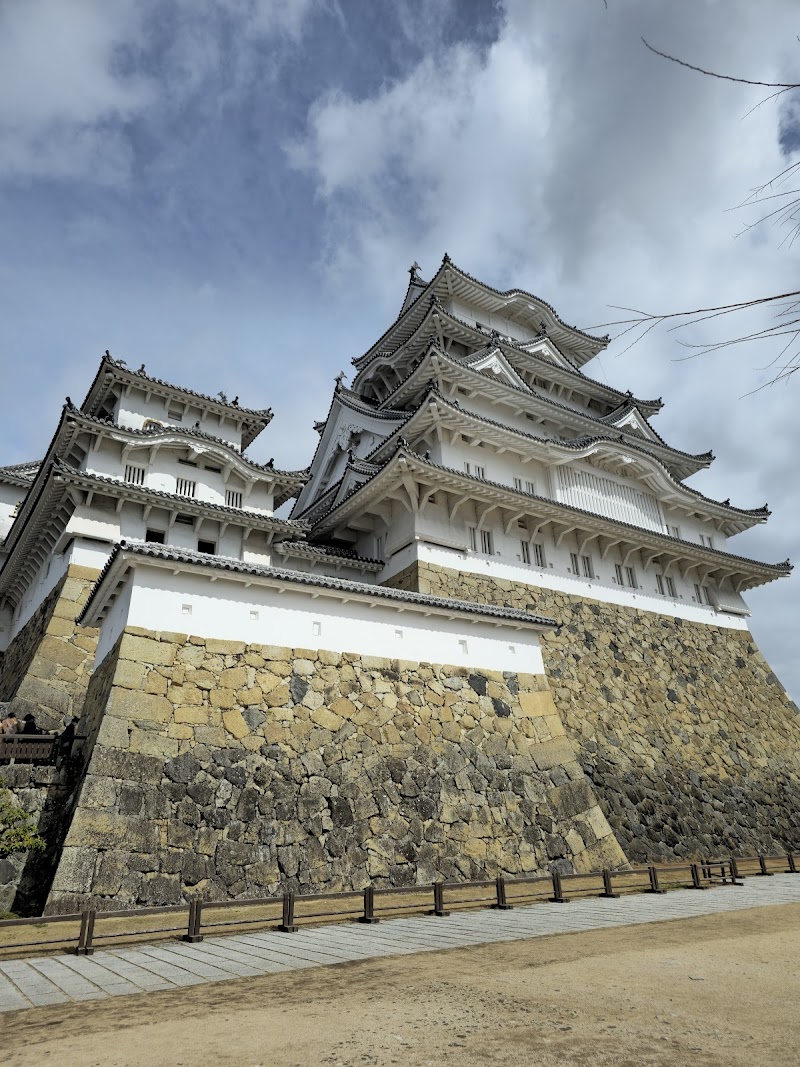
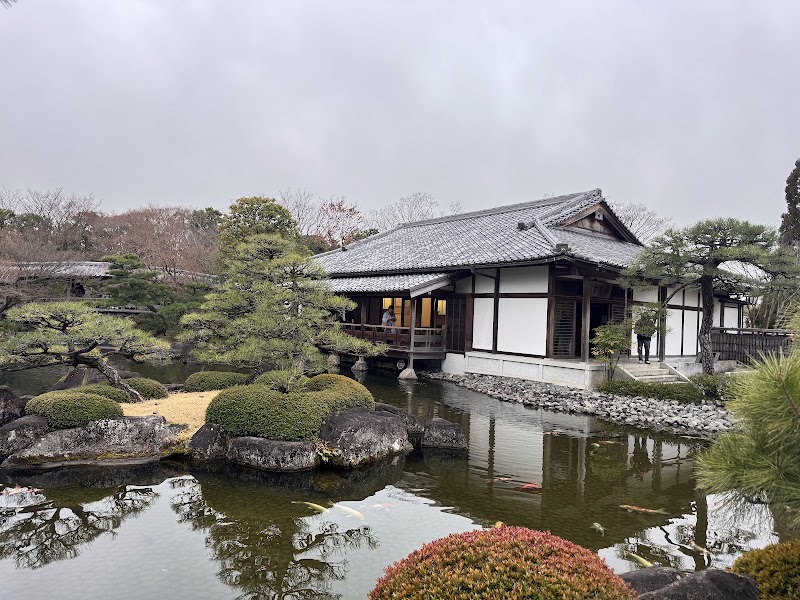
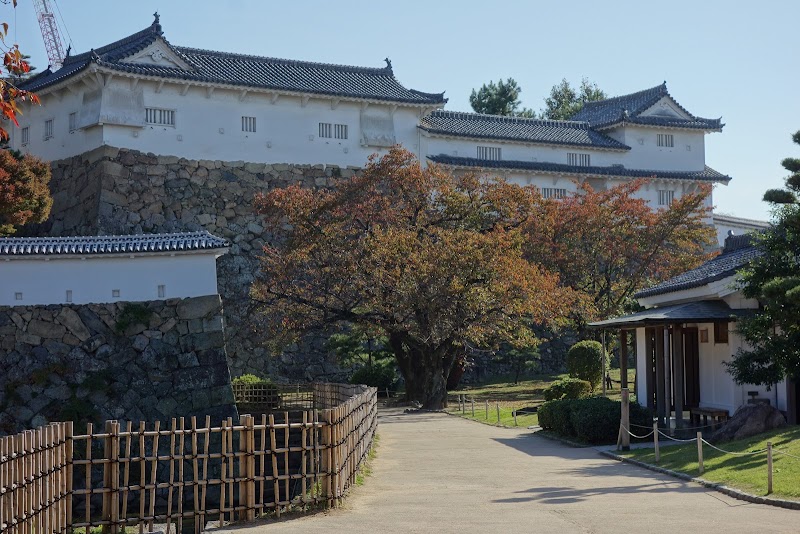
Himeji is home to Japan's most spectacular castle—and in a country famous for its castles, that is an extraordinary distinction. Himeji Castle (姫路城) is a UNESCO World Heritage site and a designated national treasure, and unlike many other Japanese castles that have been reconstructed from concrete after wartime destruction, Himeji is the original 400-year-old structure. Every beam, every stone wall, every defensive maze was built in the early 1600s and has survived wars, earthquakes, and firebombings through a combination of military engineering and remarkable luck.
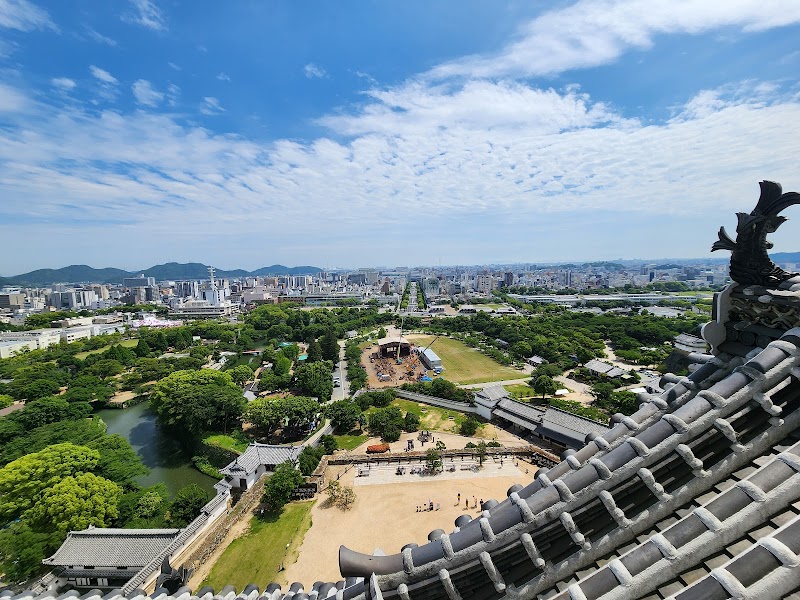
The castle's nickname—"Shirasagi-jo" (White Heron Castle)—comes from its brilliant white plaster walls that seem to glow against the sky, giving the multi-tiered structure the appearance of a great white bird spreading its wings. The interior is a labyrinth of steep staircases, narrow defensive corridors designed to confuse invading armies, and hidden compartments (called "stone-dropping windows") from which defenders would pour boiling water on attackers. Climbing to the top floor offers a commanding view of the surrounding city and countryside that helps you understand why this site was chosen for defense.
The approach to the castle through its landscaped grounds is beautiful in any season but transcendent during cherry blossom season (late March to early April), when over 1,000 cherry trees erupt into bloom simultaneously, creating a pink-and-white frame around the castle's already ethereal silhouette.
Travel Time: 30 minutes by Shinkansen from Shin-Osaka or 60 minutes by Special Rapid from Osaka Station.
5. Hiroshima & Miyajima (広島・宮島) – History and Icons
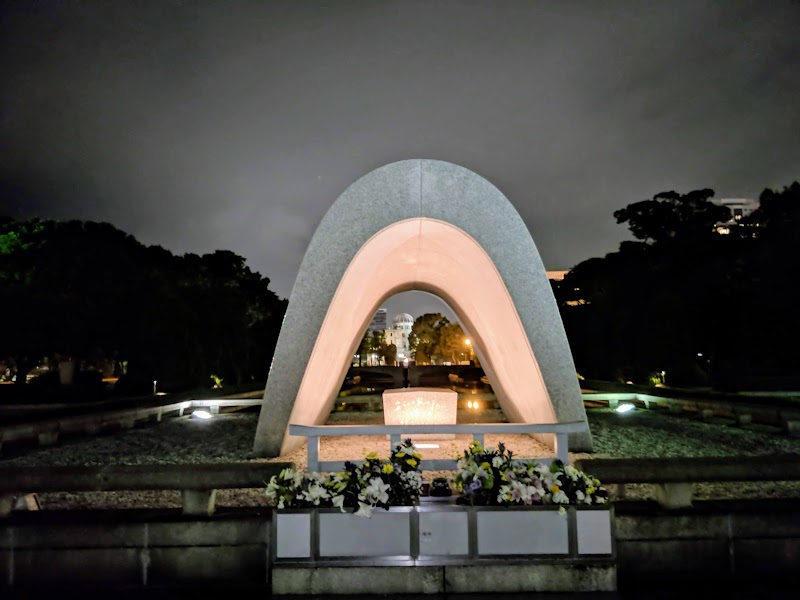
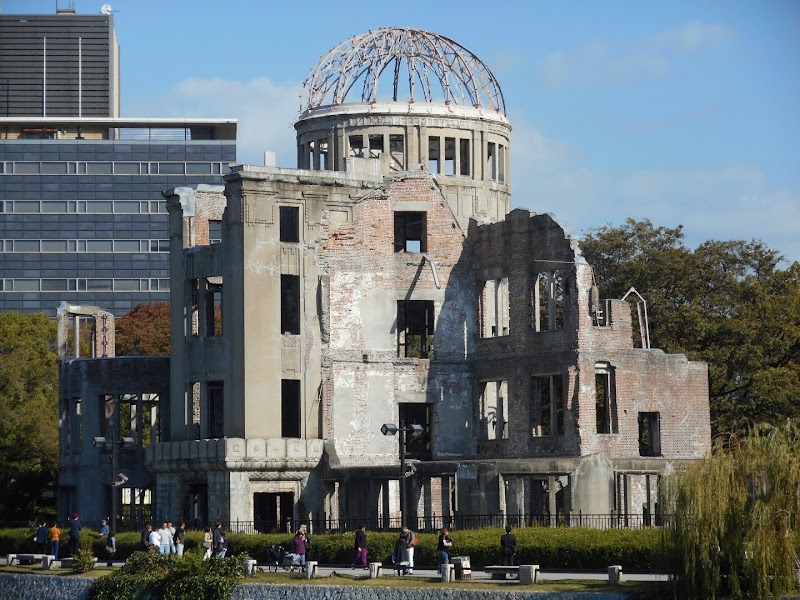
Thanks to the speed of the Shinkansen, even Hiroshima—located over 300 kilometers to the west—is a viable day trip from Osaka in 2026. While it makes for a long and emotionally intense day, it is a deeply moving experience that many travelers describe as one of the most impactful days of their lives.
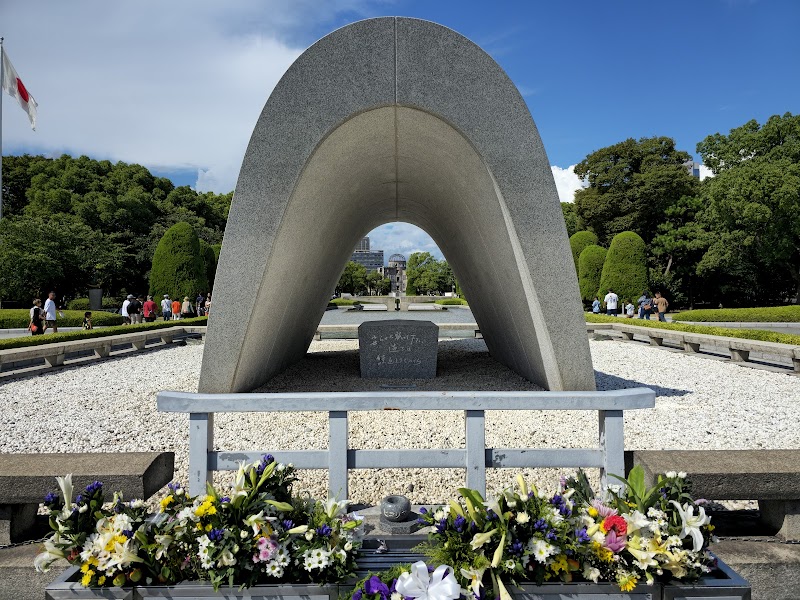
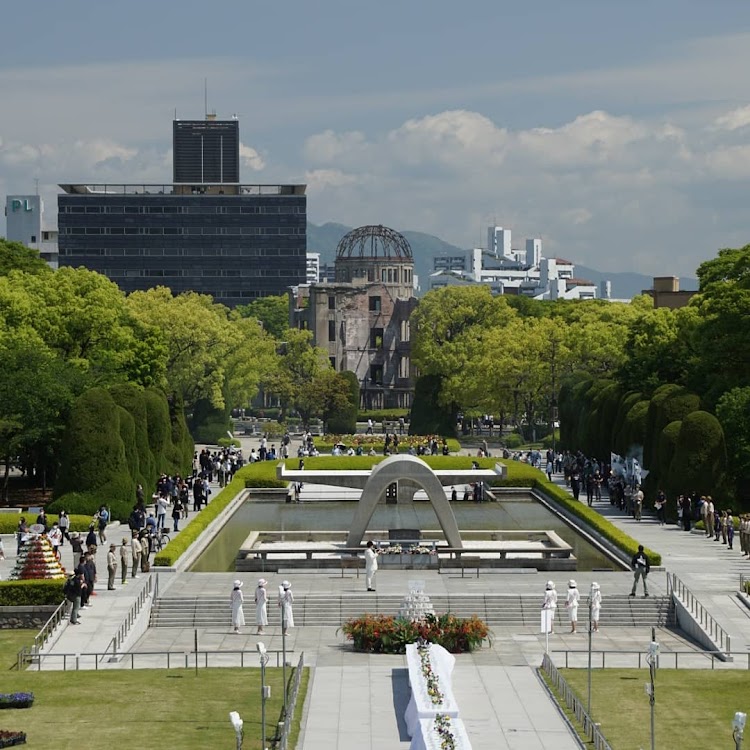
The itinerary should begin early at the Hiroshima Peace Memorial Park, a sprawling green space built on ground zero of the 1945 atomic bombing. The park's Peace Memorial Museum tells the story of that day through personal artifacts, survivor testimonies, and photographs that are difficult to view but impossible to forget. The A-Bomb Dome—the skeletal remains of the former Prefectural Industrial Promotion Hall, preserved exactly as it stood after the blast—is a UNESCO World Heritage Site and one of the most powerful monuments to peace anywhere in the world.
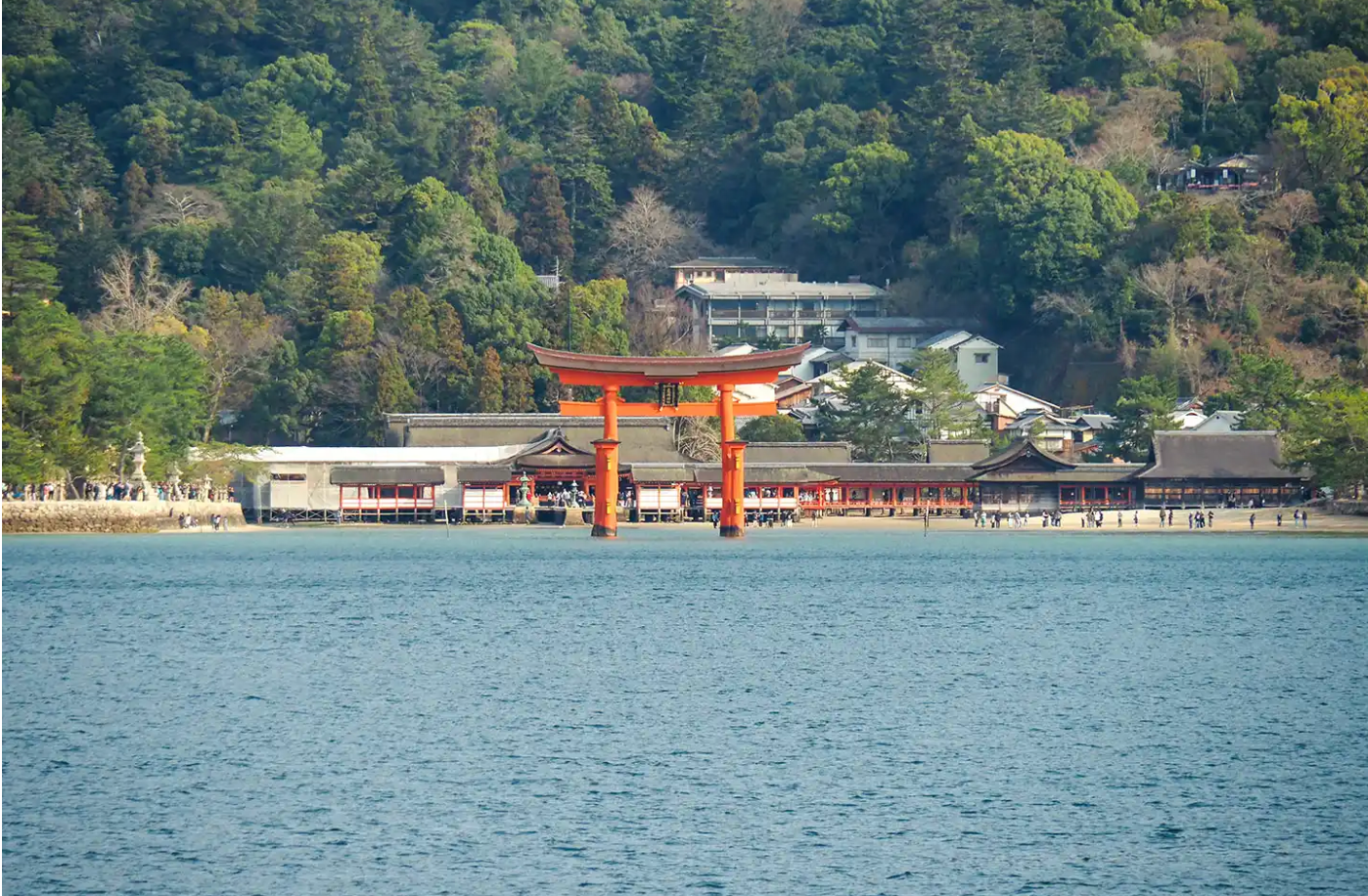
After the emotional weight of the museum, take a short ferry ride to Miyajima Island (formally called Itsukushima), where the iconic "floating" torii gate of Itsukushima Shrine appears to hover above the water at high tide—one of Japan's most photographed and spiritually significant views. The island's friendly deer, ancient temples, and maple-leaf-shaped momiji manju sweets provide a gentler, more restorative experience after the solemnity of Hiroshima. The contrast between the morning and afternoon—from the weight of history to the beauty of nature—creates a day trip that is both profound and healing.
Travel Time: 1 hour 20 minutes by Shinkansen from Shin-Osaka.
6. Mount Koya (高野山) – A Spiritual Journey (Unique Experience)
Koyasan is a sacred mountaintop complex that has been the center of Shingon Buddhism for over 1,200 years, and visiting it from Osaka is like stepping out of the 21st century and into a world where time moves according to the rhythm of prayer bells and the slow growth of ancient cedar trees.
The mountaintop plateau hosts over 100 temples, many of which offer overnight stays (temple lodging, or "Shukubo") with traditional vegetarian cuisine (Shojin Ryori) and the opportunity to participate in morning prayer ceremonies. But even as a day trip, Koyasan delivers one of the most extraordinary experiences in Japan: a walk through the ancient Okunoin Cemetery, where over 200,000 gravestones and memorial monuments line a 2-kilometer path through a towering cedar forest. The atmosphere is one of profound stillness—the massive trees filter the sunlight into dim, green-gold shafts, moss covers every surface, and the only sounds are birdsong and the distant murmur of chanting monks. At the end of the path lies the mausoleum of Kobo Daishi (Kukai), the founder of Shingon Buddhism, who is said to be not dead but in eternal meditation, waiting for the future Buddha.
Travel Time: 1 hour 30 minutes via Nankai Railway from Namba Station (take the Nankai Limited Express "Koya" to Gokurakubashi, then the cable car to the summit). Pro Tip: If you have time, the overnight temple stay is worth the extra day. The evening meditation, the multi-course vegetarian dinner served in your tatami room, and the pre-dawn chanting ceremony create an experience that Sarah will describe as transformative.
7. Wakayama (和歌山) – Coastline and Fresh Seafood
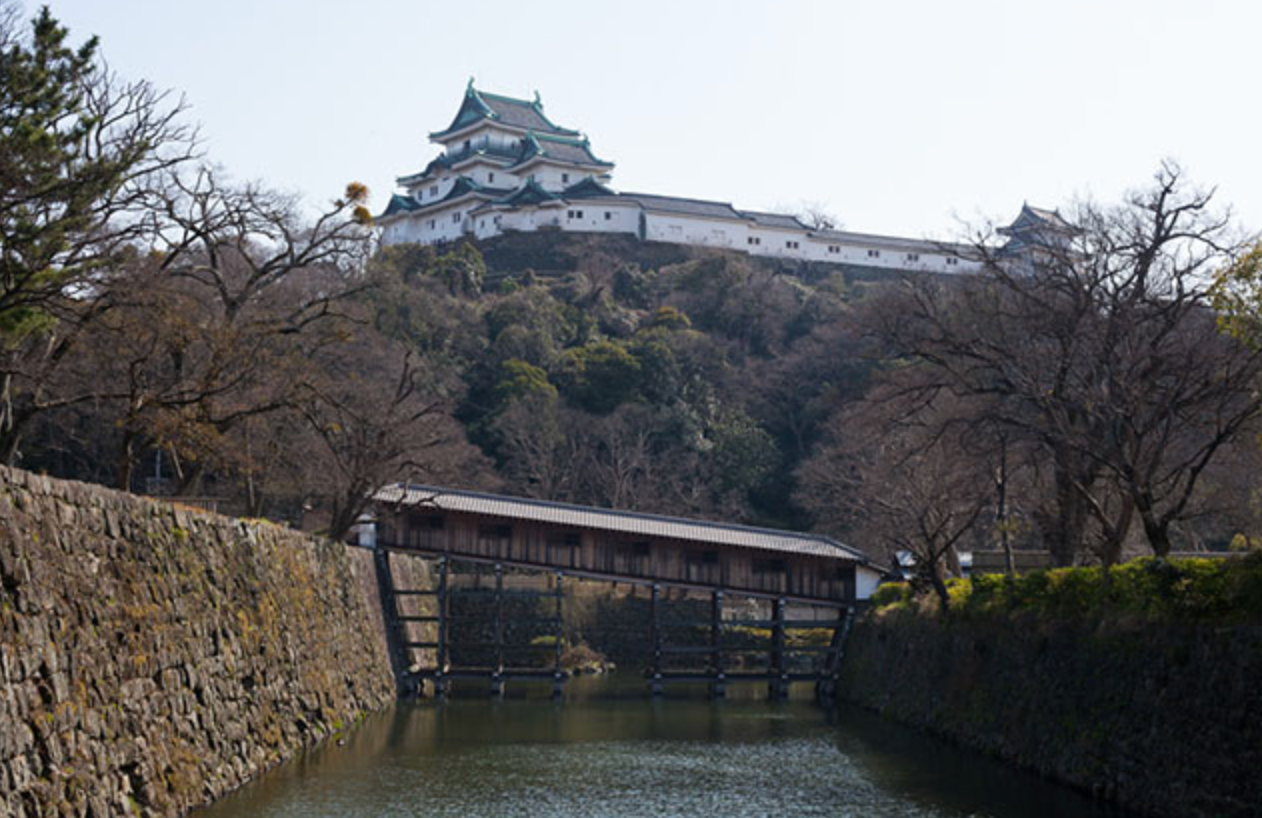
Located directly south of Osaka, Wakayama offers a completely different experience from the temples and shrines of the other day trip destinations: coastal scenery, fresh-caught seafood, relaxed hot springs, and a pace of life that feels like the antidote to Osaka's relentless energy. The landscape shifts dramatically as your train leaves the urban sprawl behind—rice paddies give way to citrus orchards, mountains covered in dark green Japanese cedar rise on either side, and the first glimpses of the Pacific Ocean sparkle on the horizon.
The Wakayama Marina City complex is a good starting point, featuring a fish market where you can select your own seafood and grill it on a provided barbecue. The Kuroshio Market inside hosts thrice-daily tuna-cutting shows where a massive bluefin is butchered with theatrical precision, the crowd gasping as each section is revealed and immediately sold at auction-fresh prices. For onsen (hot spring) lovers, the train to Shirahama (2 hours from Osaka) leads to some of Japan's finest white-sand beaches and outdoor hot springs perched on rocky cliffs overlooking the Pacific. And don't leave without trying Wakayama Ramen, a unique soy-pork hybrid broth that is lighter and more delicate than Osaka's bold tonkotsu styles.
Travel Time: 1 hour to Wakayama City via JR; 2 hours to Shirahama. The Food: Try the locally caught shirasu (whitebait) served raw over rice—impossibly fresh, delicately sweet, and unavailable this good anywhere else.
8. Sakai (堺) – The Birthplace of Japanese Craftsmanship
Just 15 minutes south of Namba on the Nankai Line, Sakai was historically one of Japan's wealthiest merchant cities and the global center of samurai sword production. Today, it is renowned for its knife-making tradition—the same techniques developed for forging samurai swords have been adapted over centuries to produce what many chefs consider the finest kitchen knives in the world.
Visit a knife workshop to see master craftsmen forging blades using techniques that have been passed down through 600 years of continuous practice. The process is mesmerizing—the red-hot steel is hammered, folded, and quenched in a precise sequence that determines the blade's hardness, flexibility, and edge retention. Many workshops offer tours and the opportunity to purchase professional-grade kitchen knives at factory prices—often 30 to 50% less than the same knives sold in Tokyo or overseas.
Sakai also holds one of Japan's most impressive archaeological sites: the Daisen Kofun, a keyhole-shaped burial mound that is larger in area than the Great Pyramid of Giza and the tomb of Emperor Nintoku. Designated a UNESCO World Heritage Site, it is best appreciated from the observation deck of Sakai City Hall, where the enormous scale of the 5th-century tomb becomes visible. For tea culture enthusiasts, Sakai was the home of Sen no Rikyu, the legendary "Father of the Tea Ceremony" who codified the aesthetic and philosophical principles of chanoyu that define Japanese tea practice to this day.
Travel Time: 15 to 20 minutes via Nankai Line from Namba. Sarah's Tip: Combine Sakai with a visit to the knife shops in Doguyasuji in Osaka for the ultimate "blade nerd" day.
Day Trip Comparison Table: 2026 Edition
Money-Saving Passes for 2026
To make these day trips affordable, Sarah should consider the rail passes that can dramatically reduce transportation costs—sometimes paying for themselves in a single day of travel.
JR West Kansai Area Pass: If you plan to visit Kyoto, Nara, Kobe, and Himeji over a 1 to 4-day period, this pass is unbeatable value. It covers all JR local and rapid trains in the Kansai region, and the 1-day pass (¥2,800) pays for itself with a single Osaka-Himeji round trip. Purchase in advance online for the best rates, or buy at the JR ticket office at Kansai Airport upon arrival.
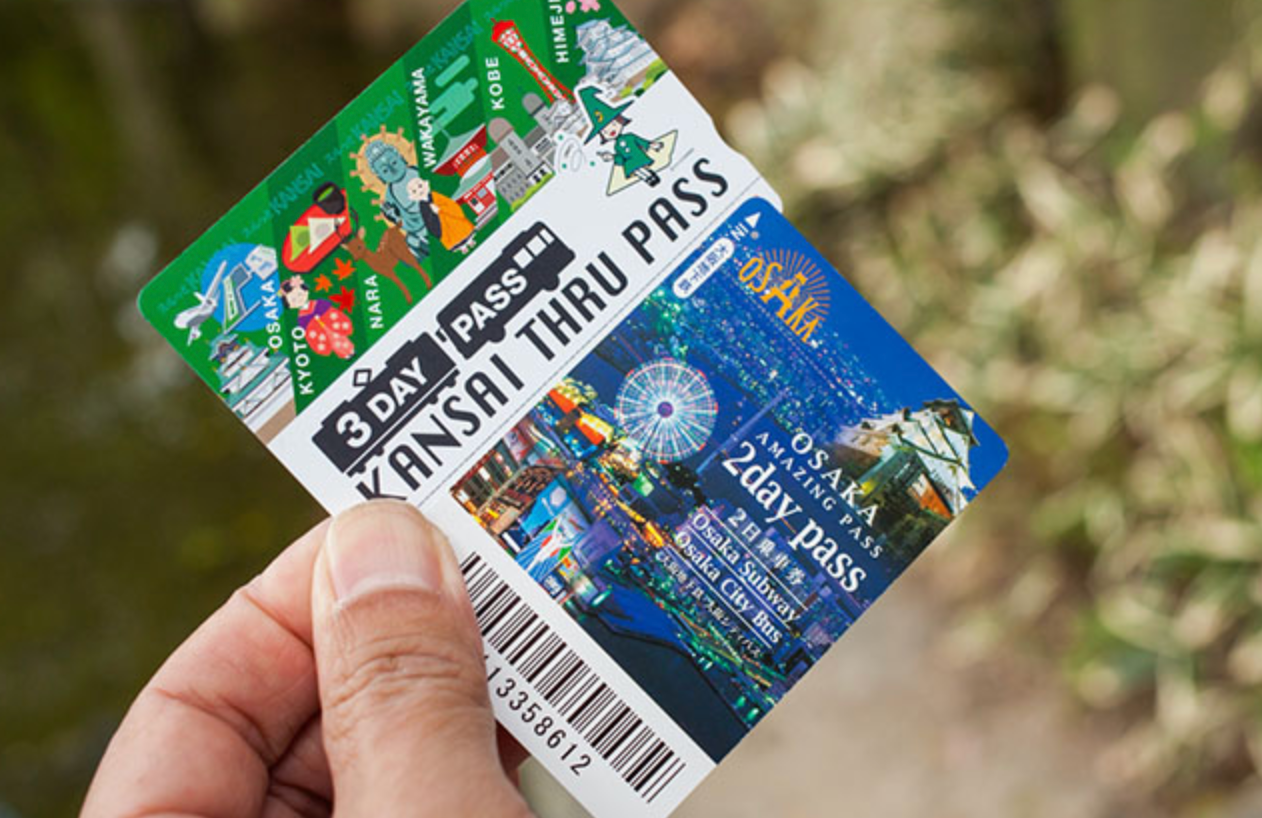
Kansai Thru Pass: The best choice if you prefer using private railways like Hankyu (for Kyoto and Kobe), Kintetsu (for Nara), or Nankai (for Koyasan and Sakai). The 2-day pass (¥4,480) covers unlimited travel on most non-JR railways and also includes Osaka's metro system, making it excellent value for travelers who want to explore both the city and the surrounding region. It also works on Kyoto's buses, eliminating the need for additional tickets once you arrive.
JR Pass (National): If your trip includes both Kansai and Hiroshima (or other distant destinations like Tokyo), the national JR Pass provides unlimited Shinkansen travel. At ¥50,000 for 7 days, it is only worth it if you are taking at least two long-distance Shinkansen journeys, but for a multi-city itinerary that includes Hiroshima, it is essential.
FAQ: Day Trip Questions Answered
Which day trip is best if I only have time for one? If you want history, culture, and the iconic "Japan" experience, choose Kyoto—it is the single most rewarding day trip in the Kansai region and perhaps in all of Japan. If you want a fun, relaxing experience with the magical deer encounter, choose Nara. For something truly off the beaten path and spiritually transformative, Koyasan offers an experience you will not find anywhere else on earth.
Can I do Kyoto and Nara in one day? Technically, yes, but we strongly recommend against it. You will spend more time on trains than actually experiencing the destinations, and both cities deserve your full attention. If you are very pressed for time, a "Kyoto morning / Nara afternoon" itinerary is physically possible but exhausting and ultimately unsatisfying. Give each city its own dedicated day—you will not regret the investment.
Should I buy a JR Pass for day trips? It depends entirely on your itinerary. The JR Kansai Area Pass (1 to 4 days, starting at ¥2,800) is excellent value if you plan to visit Kyoto, Nara, Kobe, and Himeji on JR lines. However, for destinations served by private railways—Koyasan (Nankai Line), Sakai (Nankai Line), or some Kyoto routes (Hankyu/Keihan)—you will need the Kansai Thru Pass or individual tickets. Calculate your specific trips first: sometimes individual tickets are actually cheaper than any pass.
Where can I store my luggage during day trips? Most major stations have Coin Lockers (¥300 to ¥700 depending on size). For oversized luggage:
- Osaka Station has large lockers on the B1 floor and at the north exit.
- Namba Station has lockers near the Nankai ticket gates.
- Kyoto Station has a dedicated luggage storage counter near the central exit.
If all lockers are full (common during peak season), look for "Ecbo Cloak" luggage storage service, which partners with local shops and cafes to store your bags for a small fee—reservable via their English-language app.
Are these day trips possible in bad weather? Rain can actually enhance some experiences—Kyoto's temples are hauntingly beautiful in the mist, and the wet moss at Koyasan's Okunoin Cemetery glows an almost supernatural shade of green. However, if it is pouring:
- Skip: Nara (the deer park is less enjoyable when everything is muddy) and the Koyasan forest walk (the path becomes slippery).
- Do: Kyoto (many temples have covered walkways and indoor art galleries), Kobe (excellent underground shopping and indoor observation decks), or Sakai (museums and indoor workshops).
Is English widely spoken on these day trips? Tourist infrastructure in Kyoto, Nara, and Hiroshima is excellent—you will find English signage, bilingual maps, and English-speaking staff at all major attractions. Smaller destinations like Sakai and Wakayama have less English support, but navigation apps like Google Maps work flawlessly throughout Japan and provide real-time train schedules in English. The Japan Official Travel App is also worth downloading for its offline maps and emergency information.
What is the best order to do multiple day trips? For a week-long stay in Osaka with 4 to 5 day trip days, we recommend this sequence: Day 1: Nara (easy, close, a gentle introduction), Day 2: Kyoto (the essential experience, go early), Day 3: Kobe (combine with Himeji if you start early), Day 4: Koyasan or Wakayama (choose based on whether you prefer spiritual experience or coastal relaxation), Day 5: Sakai (close and short, good for your last day before departure). Alternate day trip days with days exploring Osaka itself to maintain your energy.
Final Thoughts: Osaka is the Key to Japan
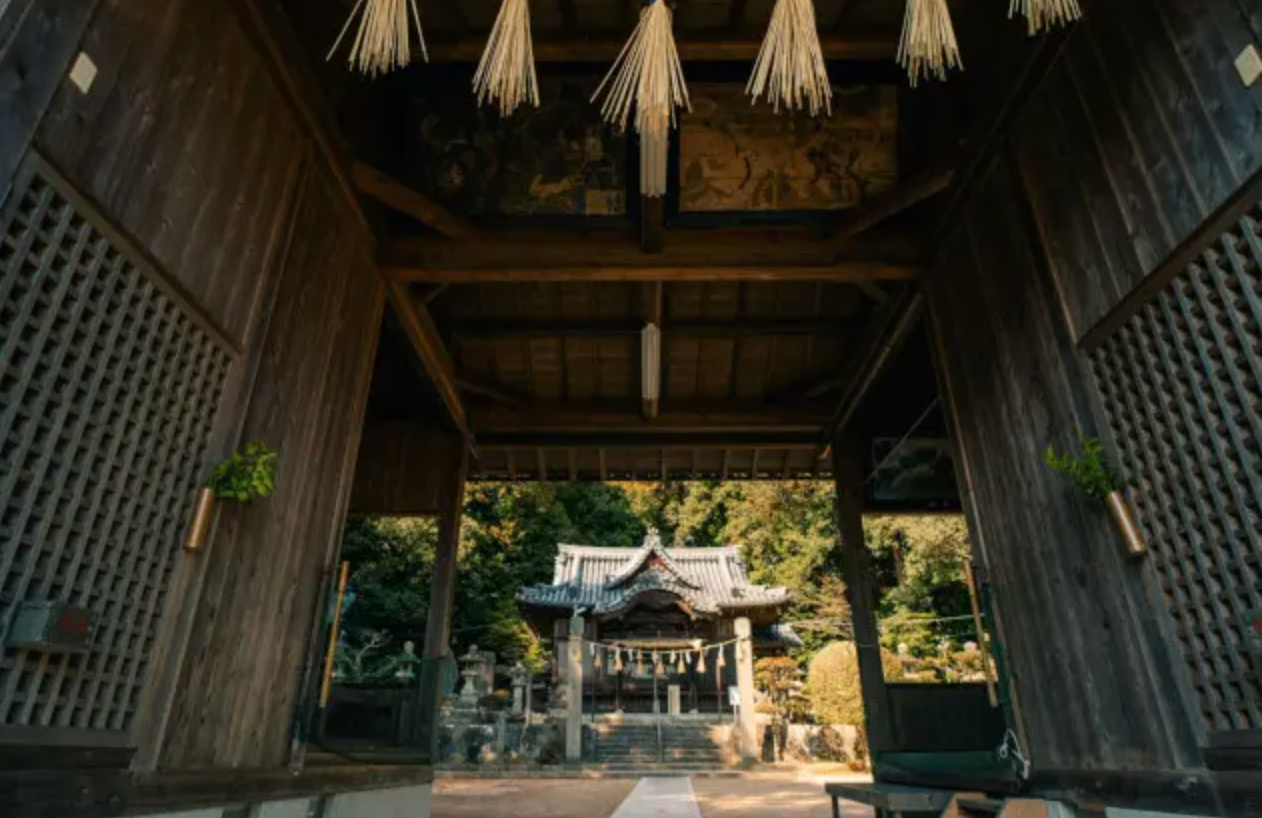
Osaka is not just a destination—it is the key that unlocks the rest of Japan. Its energy will sustain you after long days of temple-hopping and mountain-climbing. Its food will fuel your adventures with the most flavorful, generous, and affordable cuisine in the country. And its transportation links will transport you to some of the most beautiful, historically significant, and spiritually powerful places on earth—all before dinner.
For Sarah, the best strategy is simple: put down roots in Osaka for a week, unpack your suitcase once, and venture out into the unknown each morning knowing that the city will be waiting for you when you return. It will welcome you back with sizzling takoyaki, cold beer, warm laughter, and the unmistakable feeling that you have found the perfect home base. Happy exploring.
For more on what awaits you back in Osaka each evening, check our 12-osaka-nightlife-guide for the best after-dark experiences and our 72-osaka-street-food-guide for the ultimate late-night dining options.